Jef Poortmans on energy
“The key challenge we’re going to face is making optimal use of renewable energy surpluses”

Jef Poortmans, imec fellow and scientific director photovoltaics at imec
At the end of 2016, the World Economic Forum published a report stating that renewable energy had reached a tipping point: solar and wind energy had become as cost-efficient – or even cheaper – than new fossil fuel capacity in more than 30 countries. It is also considerably cheaper than nuclear power: solar power can now be produced at a cost of 2 to 2.5 eurocents per kWh, versus nuclear power’s cost of 6 to 7 eurocents per kWh.
A shifting energy market
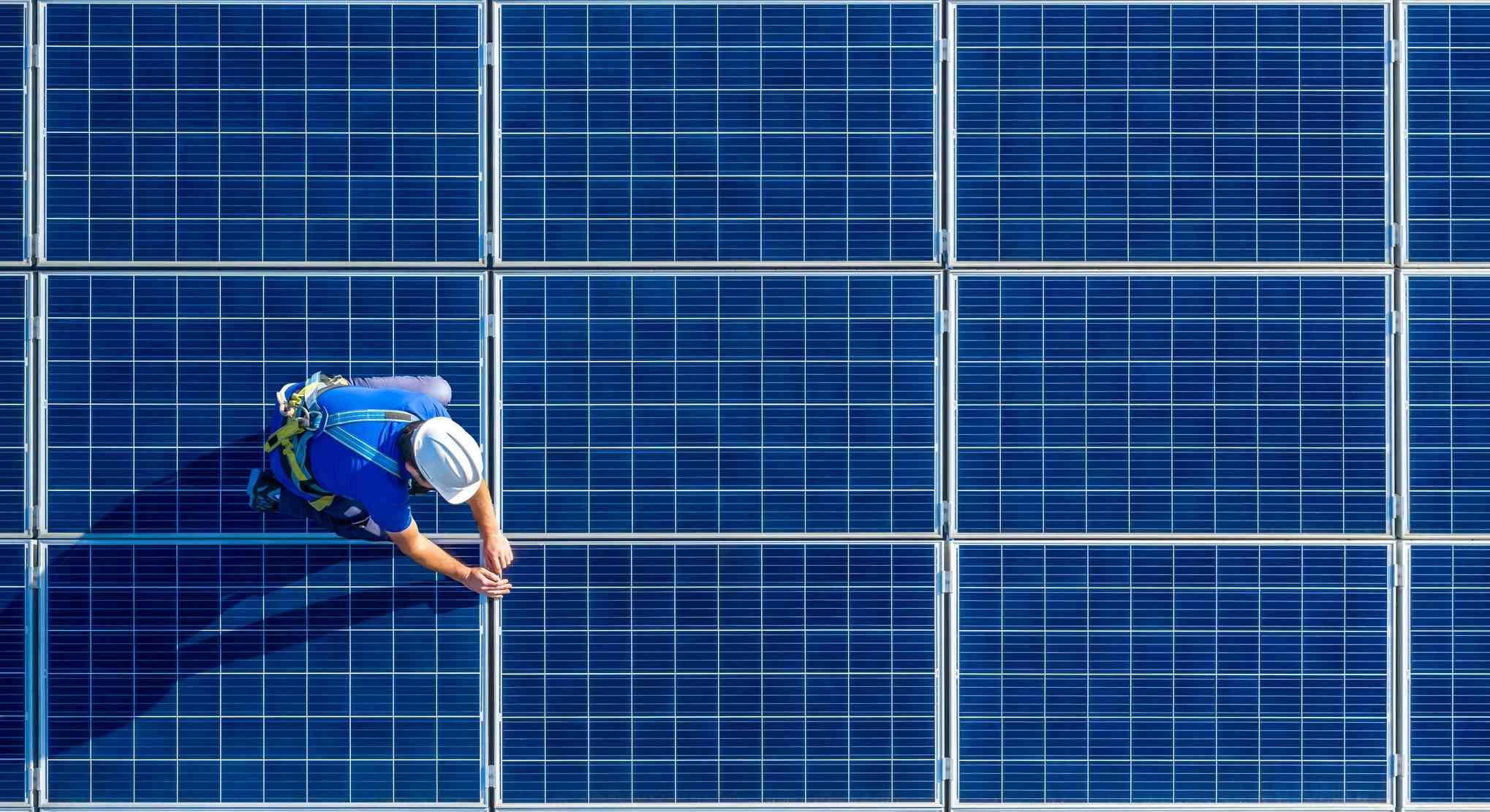
In 2017, the global energy market picked up on this. Before, investing in solar energy was mostly an environmentally-motivated decision, but in the meantime it has become an economic opportunity as well. China jumped on the bandwagon, establishing itself as a world leader in renewable energy production: the global photovoltaics energy market is estimated at 100 gigawatt-peak, half of which is installed in China. Europe, on the other hand, has been slower to respond to this trend. The EU played an important role in laying the foundations for renewable energy and still delivers top-notch R&D, but there is little consensus between member states on regulations or policy. To stay in the game, the EU has to come up with a long-term energy plan, clearly outlining the position renewables take in this.The fact that renewable energy is an interesting option – not only from an environmental, but also from a practical and economic point of view – also became clear in a 2017 study conducted by EnergyVille, an initiative uniting KU Leuven, VITO, imec and UHasselt for research on sustainable energy and intelligent energy systems. The study suggested that the most cost-efficient way forward for Belgium would be to step up renewable energy production so it would account for 50% of the country’s energy production by 2020-2030; this in combination with natural gas to make up for the volatile nature of solar and wind energy.
Optimizing sustainable energy production and storage
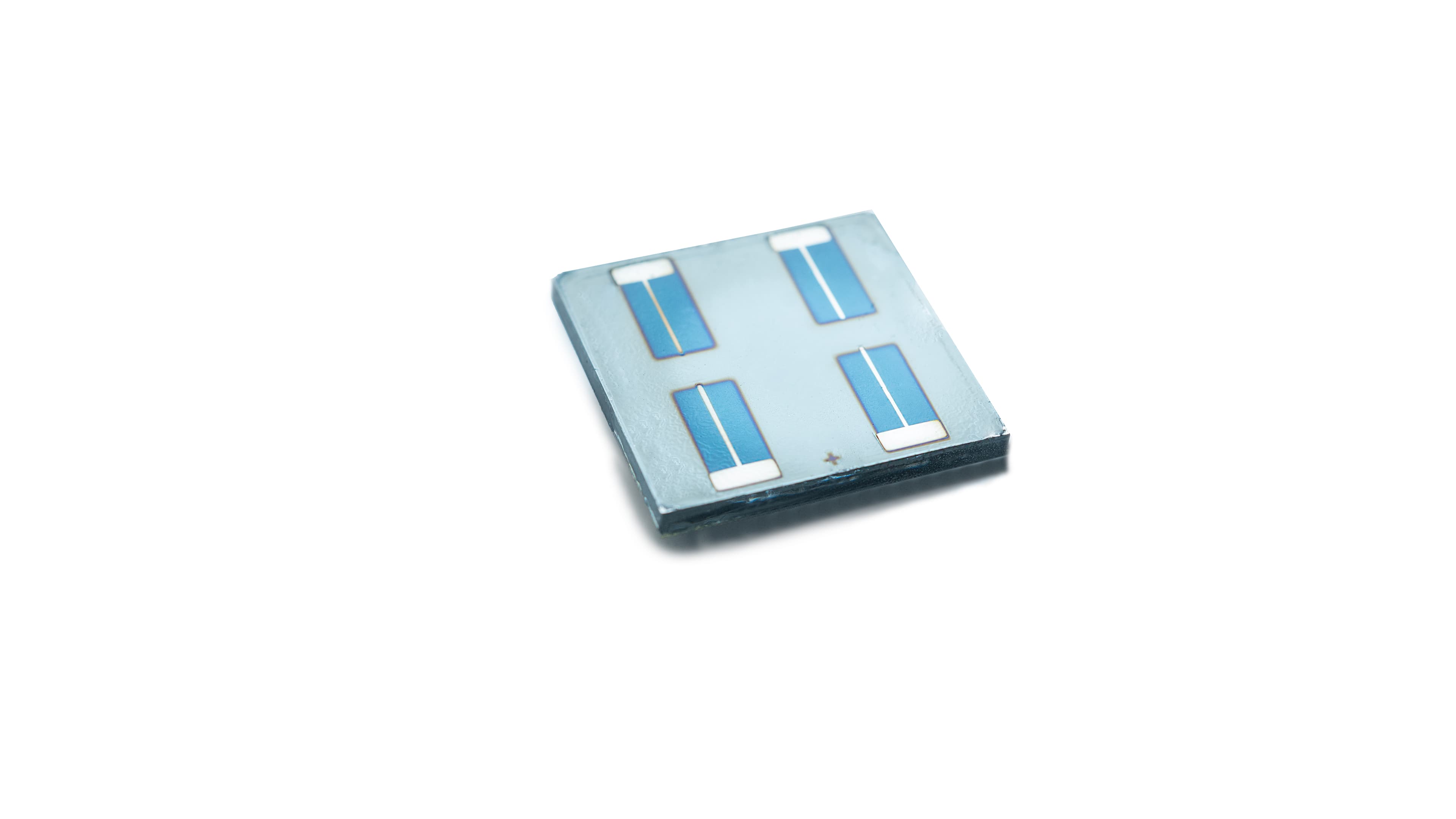
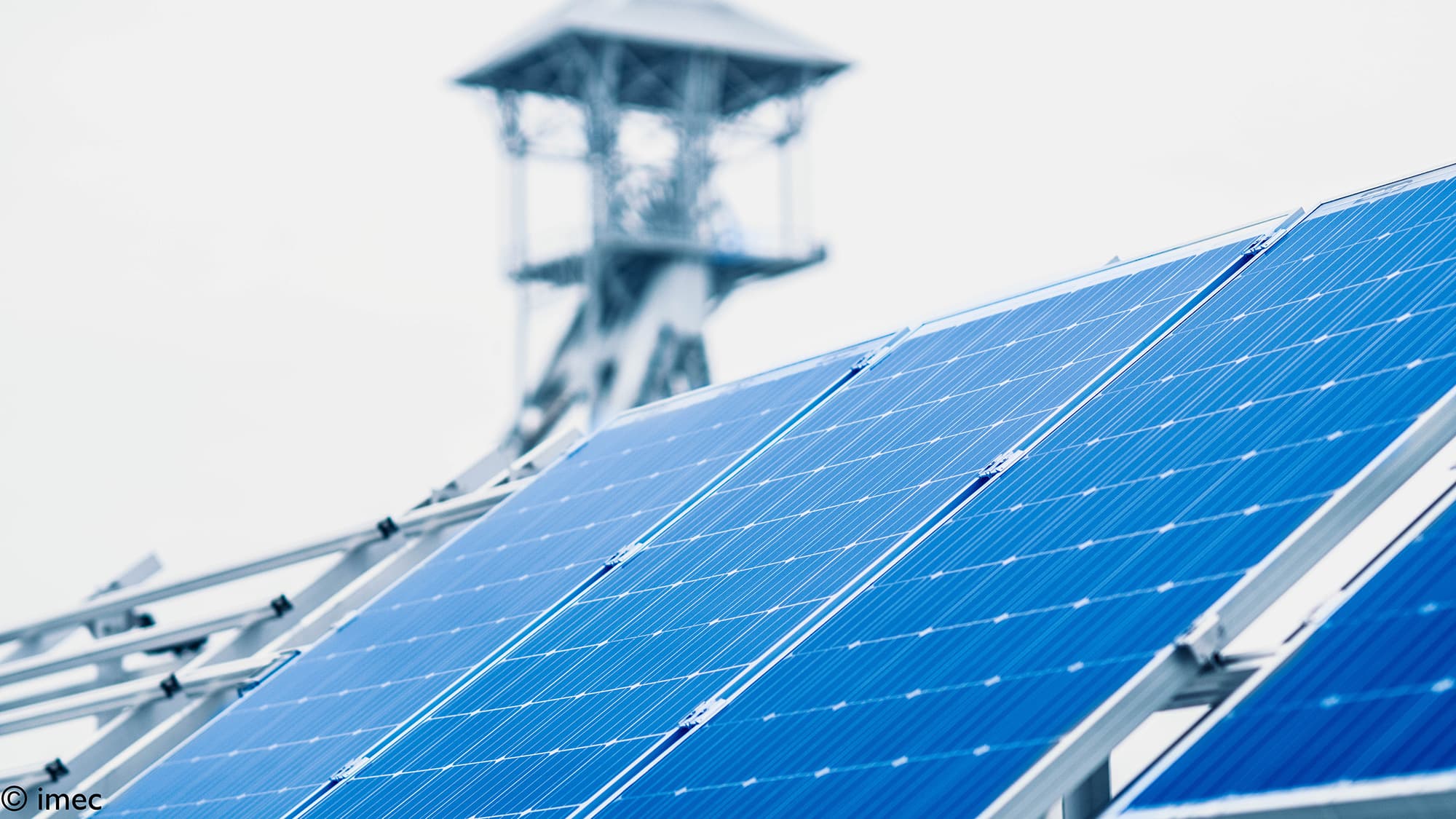
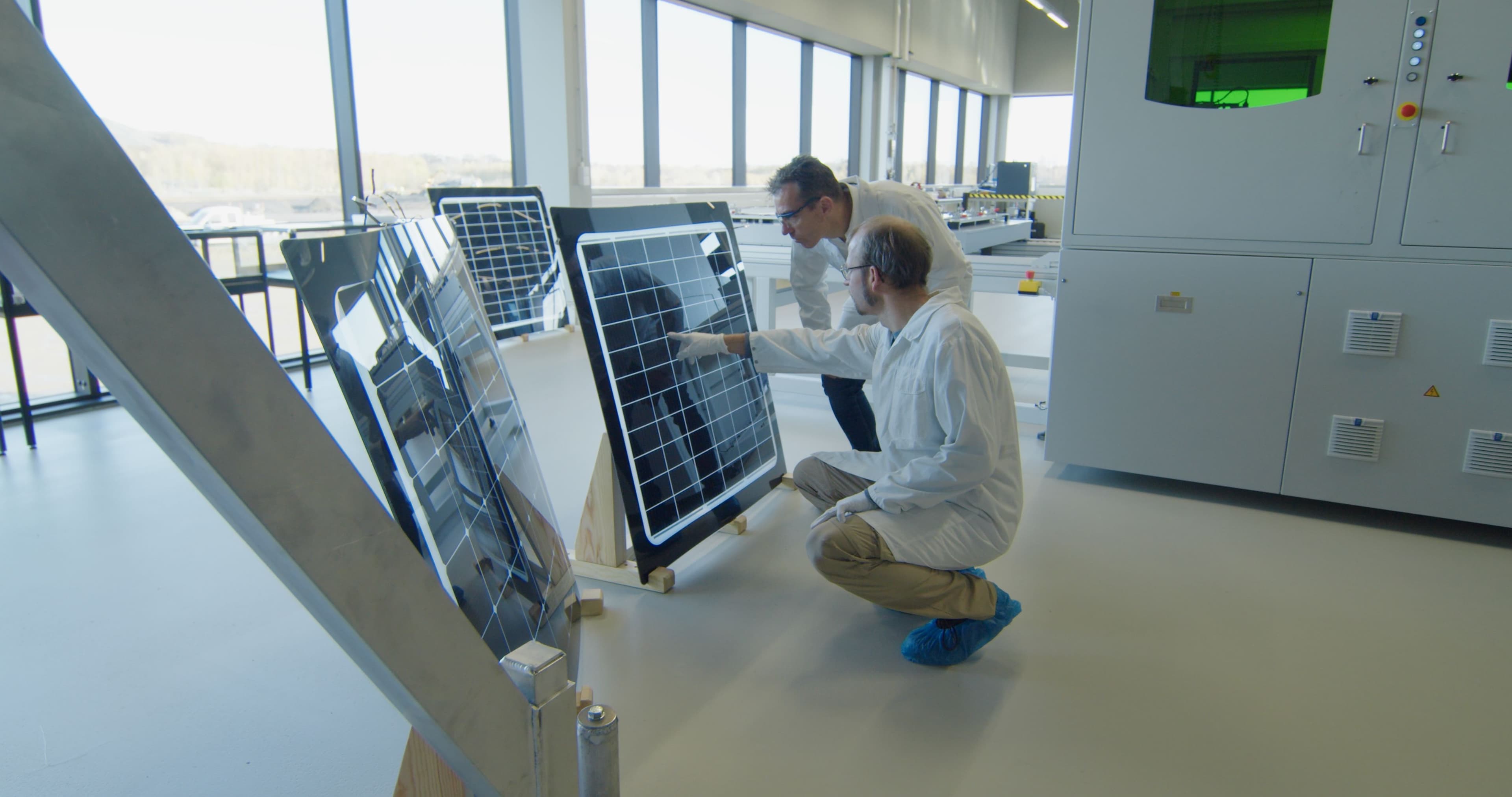
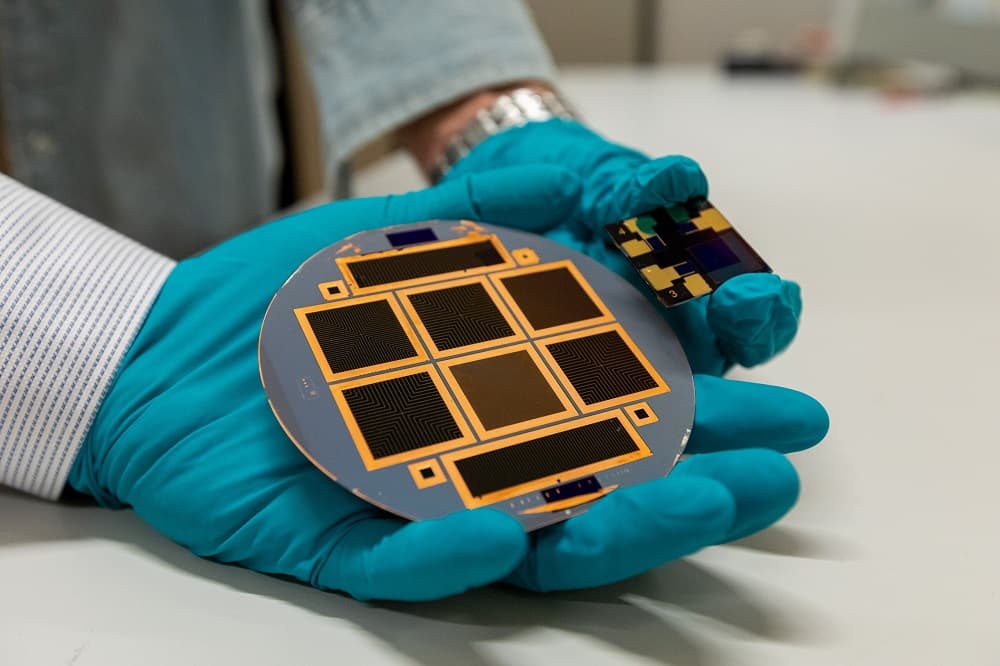
Though renewable energy has become much more efficient, there is still room for improvement. One path that imec is exploring is the development of bifacial solar cells. With a transparent backside and comparable front and back contact schemes, they can capture light on both sides, thus profiting from indirect sunlight that is reflected by the ground or surrounding buildings. In 2017, we managed to upgrade our bifacial solar cells to reach an average conversion efficiency of 22.4 percent with the best cell topping 22.8 percent, a record for this type of cell.
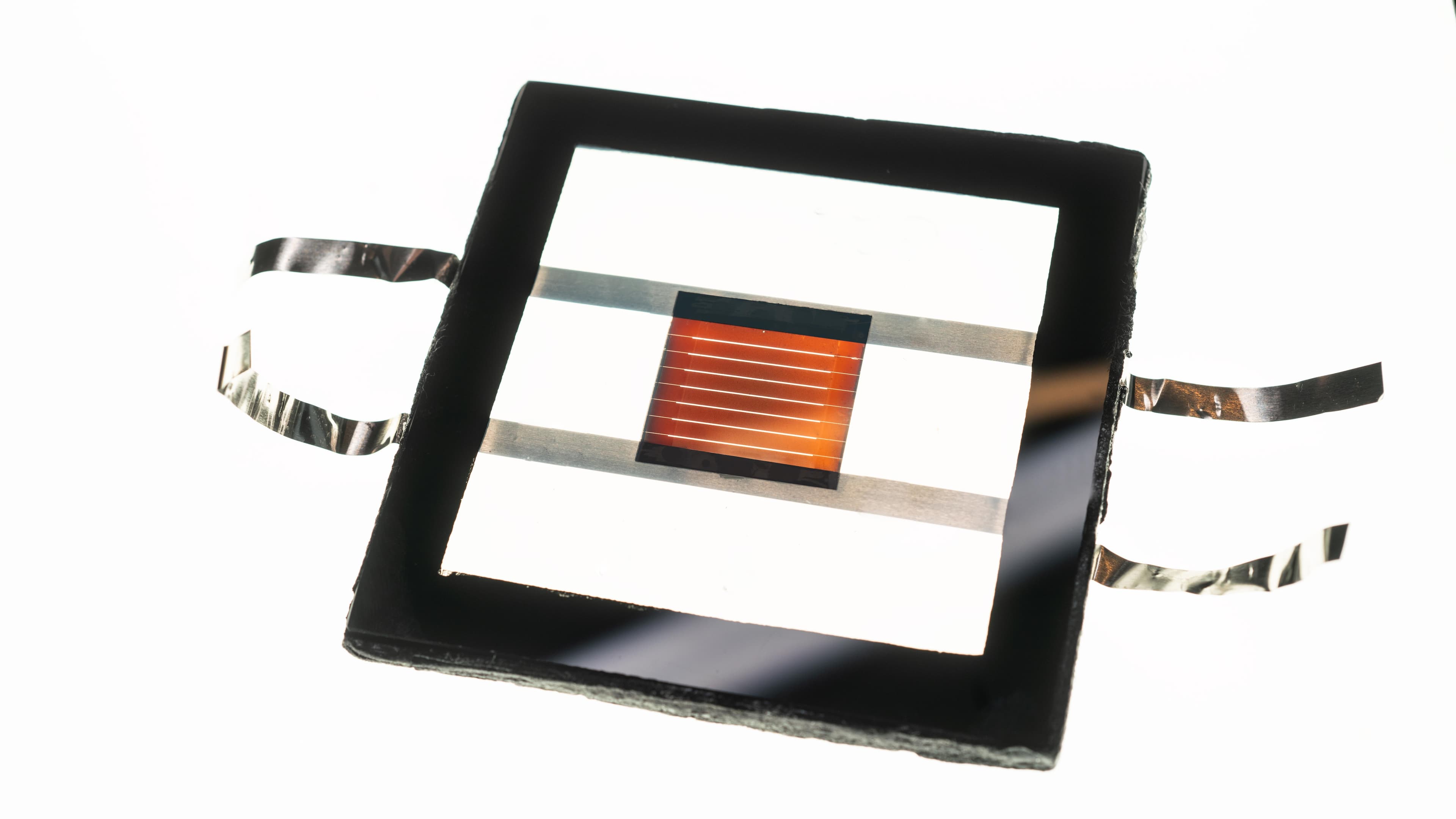
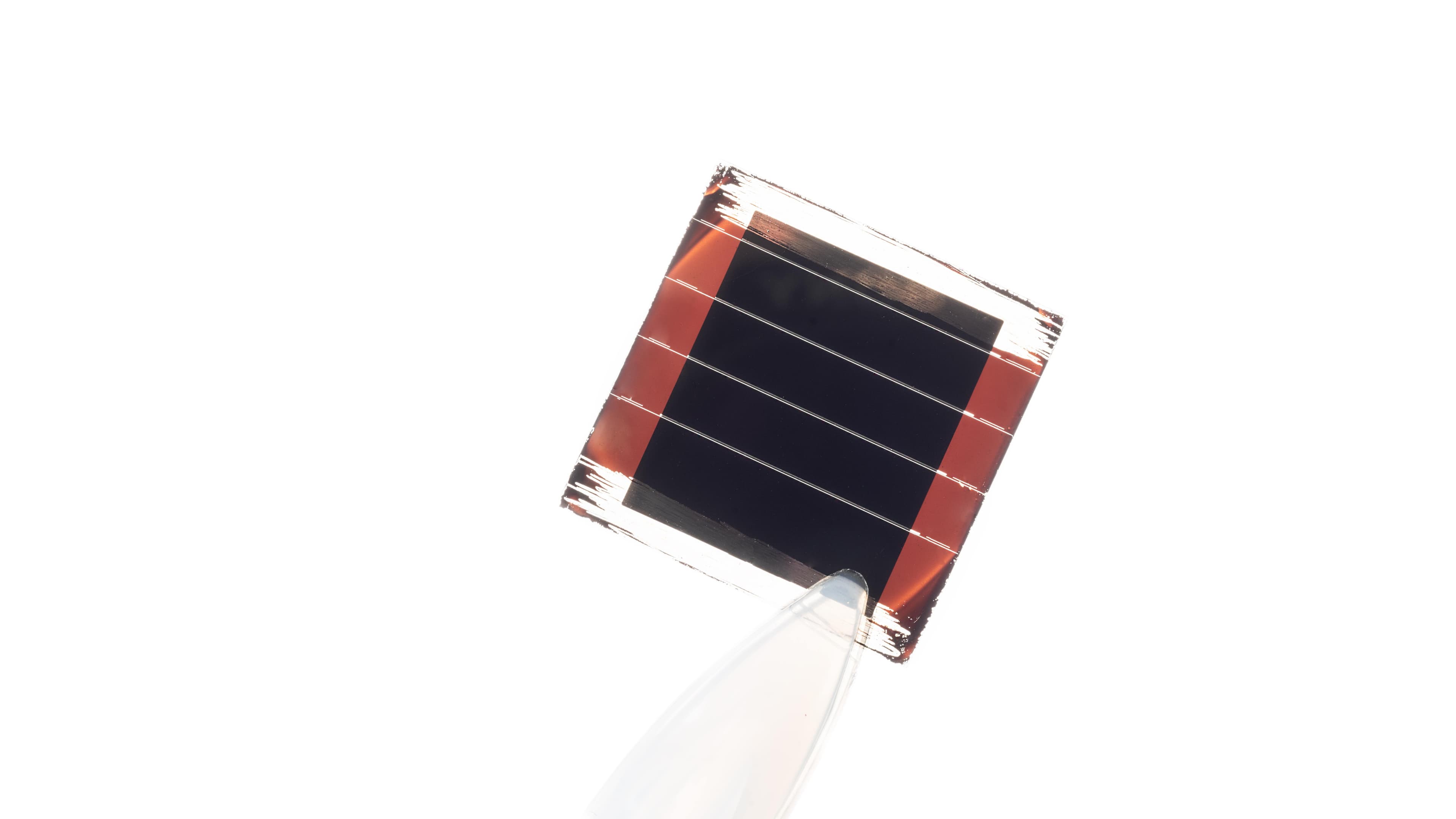
Another method to enhance efficiency is experimenting with new materials, like perovskite microcrystals. Because perovskite solar cells are flexible and semi-transparent, they could be integrated in building materials, e.g. curved surfaces or even windows. In 2017, imec researchers managed to optimize our 4x4cm2 perovskite module, achieving a record conversion efficiency (12.4%). Another, perhaps even more promising, approach is stacking the perovskite cells on top of silicon solar cells. Because the perovskite modules can be engineered to absorb a spectral range complementary to that of silicon cells, this can boost efficiency. We already demonstrated this kind of tandem module – together with Solliance – in 2016, but in 2017 we optimized them to outperform standalone high-efficiency silicon solar cells.
In 2017, we have also been working on the next big renewable energy challenge: how can we compensate for the volatility of renewable energy? Or in other words: what do we do when there is not enough wind to keep our wind turbines spinning or not enough sunlight to activate our solar cells?

The obvious answer is to store surplus energy. To do that, however, we need batteries that are up to the task.
Current liquid lithium-ion batteries – which could be used to store renewable energy – are not 100% safe (as they can overheat and are difficult to extinguish once on fire) and have a limited durability. That is why imec is developing solid-state electrolytes for future generation li-ion batteries. At this year’s imec Technology Forum in Japan, for instance, we presented an innovative solid nanocomposite electrolyte with a lithium ion conductivity at room temperature that approaches the world record.
Finally, in 2017, we also launched new simulation software to better predict solar cells’ energy yield, taking into account varying meteorological conditions. Current simulation software estimates energy yield only in standard conditions, but of course in reality PV-modules’ energy production is affected by a number of varying external conditions like temperature and wind. The accuracy of the developed energy yield estimation turned out to be the best worldwide.
EnergyVille: the strength of a multidisciplinary approach
In the year ahead, we would like to valorize the progress we have made in 2017, by collaborating with industry partners that can test our technology in real-life conditions. The EnergyVille research center in Genk will play an important part in this. As of 2018, we will be moving our photovoltaics research unit to the EnergyVille site in Genk, where we will work alongside researchers from KU Leuven, VITO and UHasselt. A first project will be to fine-tune our solid-state electrolyte, first by implementing it in a battery cell and then by testing it on a larger scale on the EnergyVille site.
The fact that EnergyVille brings together so many different stakeholders is its greatest strength. A multidisciplinary approach – involving partners with different expertise and bringing together the whole value chain – will pay off in the long term.
Staying one step ahead: a long-term vision
Long-term thinking is essential in this field. The key challenge we’re going to face is deciding how to make optimal use of renewable energy surpluses. This is where our enhanced solid-state batteries come in, but another – more ambitious – course of action would be to use renewable energy surpluses to produce solar fuels: by ‘storing’ excess electricity in liquid fuels, we could make it available on demand.
Another way to address this challenge is by planning our electricity consumption better. By developing a wireless network of sensors, for instance, we can let our equipment and appliances ‘talk’ to each other, so energy can be distributed more efficiently, e.g. by prioritizing certain devices in times of low energy production and charging others (e.g. electric cars) at peak production times.
As renewable energy becomes more omnipresent, we might even consider adapting our grid. For instance, with renewable energy, it becomes possible to produce electricity at the point of use – e.g. by equipping buildings or electric cars with solar cells or by setting up wind turbines near charging stations for electric cars. Doing so, we can remove the need to transport electricity across long distances. To support this, however, we need better, smaller and more reliable power convertors. Hence, power electronics is high on our future research agenda.
We might also reconsider the traditional choice for alternating current (AC). Many of our devices like laptops and mobile phones already run on direct current (DC), so if we start producing more renewable energy – which is also DC – it might make sense to switch our grid to DC. Admittedly, adapting our entire electricity network might be too ambitious (at least for now), but we could set up DC nanogrids within our buildings. This transition would require significant effort, but will be worth it in the long run as it saves on initial investment and operation costs.
After all, it is the long run that we need to focus on. To meet future energy demand, we need to look ahead. Now is the time to make the strategic decisions and develop the required technology.
That is the philosophy behind our research roadmap; we are aiming to stay a step ahead, by developing technological solutions for problems we will be facing tomorrow.
Want to know more?
- Read the press release on our improved perovskite/silicon tandem photovaltaic module.
- Read the press release on solid nanocomposite electrolytes for batteries
- Read the press release on imec's new simulation software for energy yield production
Authors

Jef Poortmans
Dr. Jozef Poortmans is an imec Fellow and has been the scientific director of imec PV and energy activities since 2013. He is a part-time professor at KU Leuven and UHasselt, and is also the R&D strategy coordinator of EnergyVille, a partnership between imec, VITO, KU Leuven and UHasselt, which focuses on smart cities and smart grids.
Discover more