Imec’s technology triumphs in successful suborbital space flight
Imec, renowned for its groundbreaking technological innovations, is shooting for the stars. With funding from NASA’s Flight Opportunities Program, imec has validated its nanotechnology in microgravity, a critical step in overcoming the challenges of space-based research.

Research in space is necessary to shed light on the effects of spaceflight on the human body. During space travel, weightlessness or microgravity affects electrically active cells, such as neurons and cardiac cells, which are critical for vital physiological processes. Next to this, microgravity-induced bone loss places space travelers at risk for bone fracture and early-onset osteoporosis. Understanding these and other effects is necessary to maintain the health of astronauts during long-duration space missions.
For research devices to leave the protection of Earth’s atmosphere and still function properly, they must overcome mechanical instability and power constraints - to name a few. In addition, the limited physical space, mass, and weight allowances of the devices in the rocket pose significant obstacles to space research missions, including those to the International Space Station (ISS) – resulting in less complex research being possible in space.
With its expertise in miniaturizing key components while maintaining high-performing systems, imec’s nanoelectronics devices offer a solution. Therefore, imec set out to validate its compact, smart nanotechnologies in a spaceflight environment in collaboration with the University of Central Florida, the University of Texas at El Paso, and Space Tango, funded via NASA’s Flight Opportunities Program.
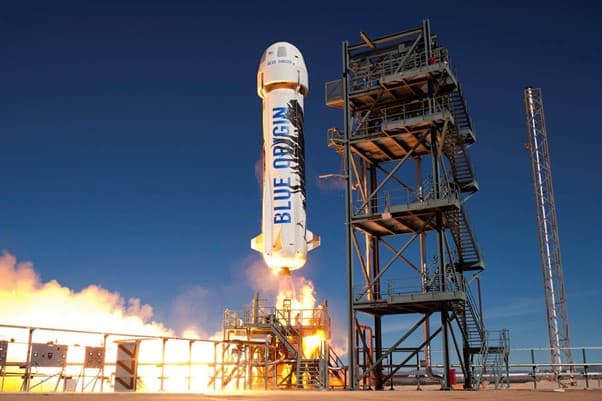
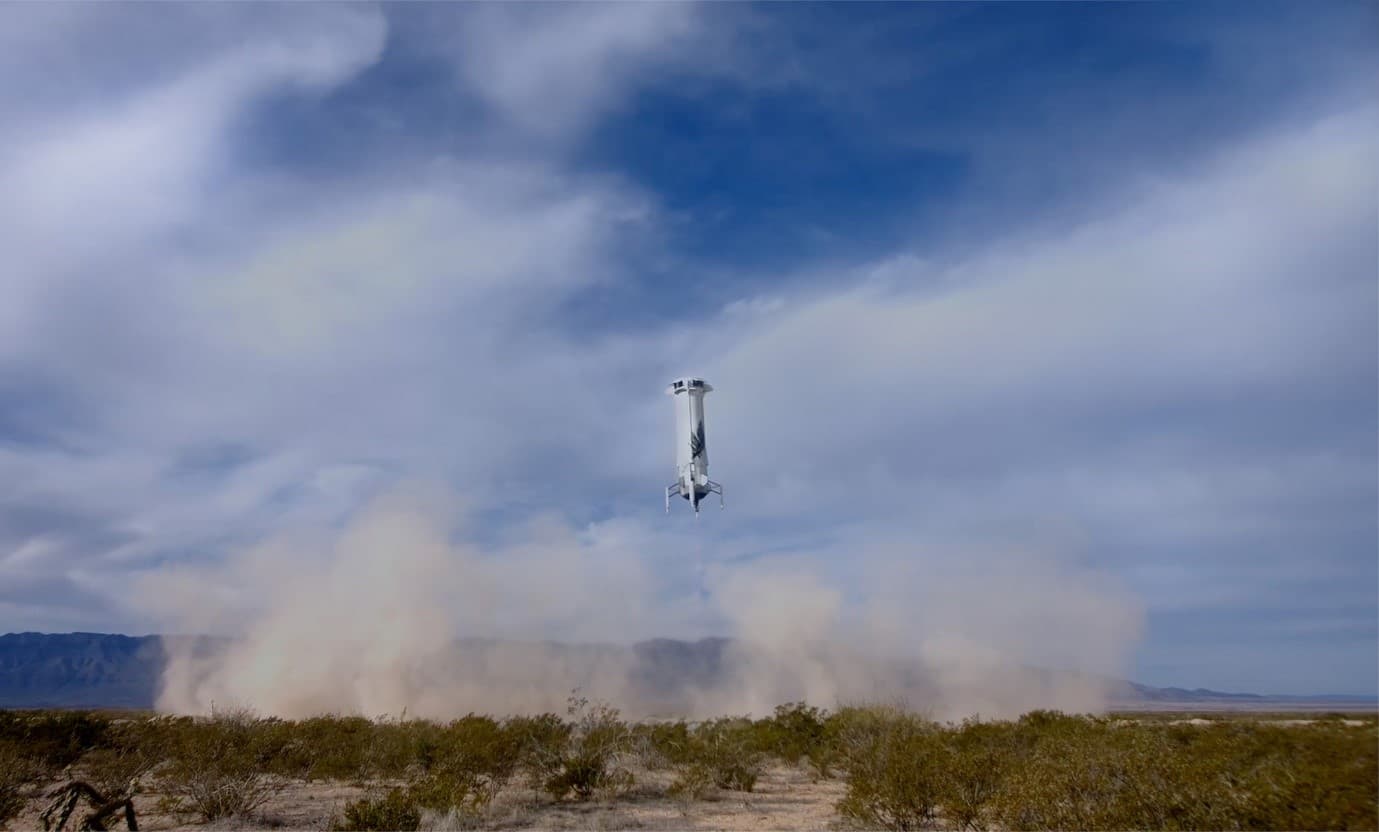
On December 19th, 2023, Blue Origin’s reusable suborbital rocket ‘New Shepard’ carried imec’s lens-free imaging (LFI) microscope and Neuropixels electrophysiology system. The compact and robust design of these technologies allowed for seamless implementation into a Blue Origin ‘flight locker’ – enabling automated and innovative research with a complete set-up merely the size of a shoebox.
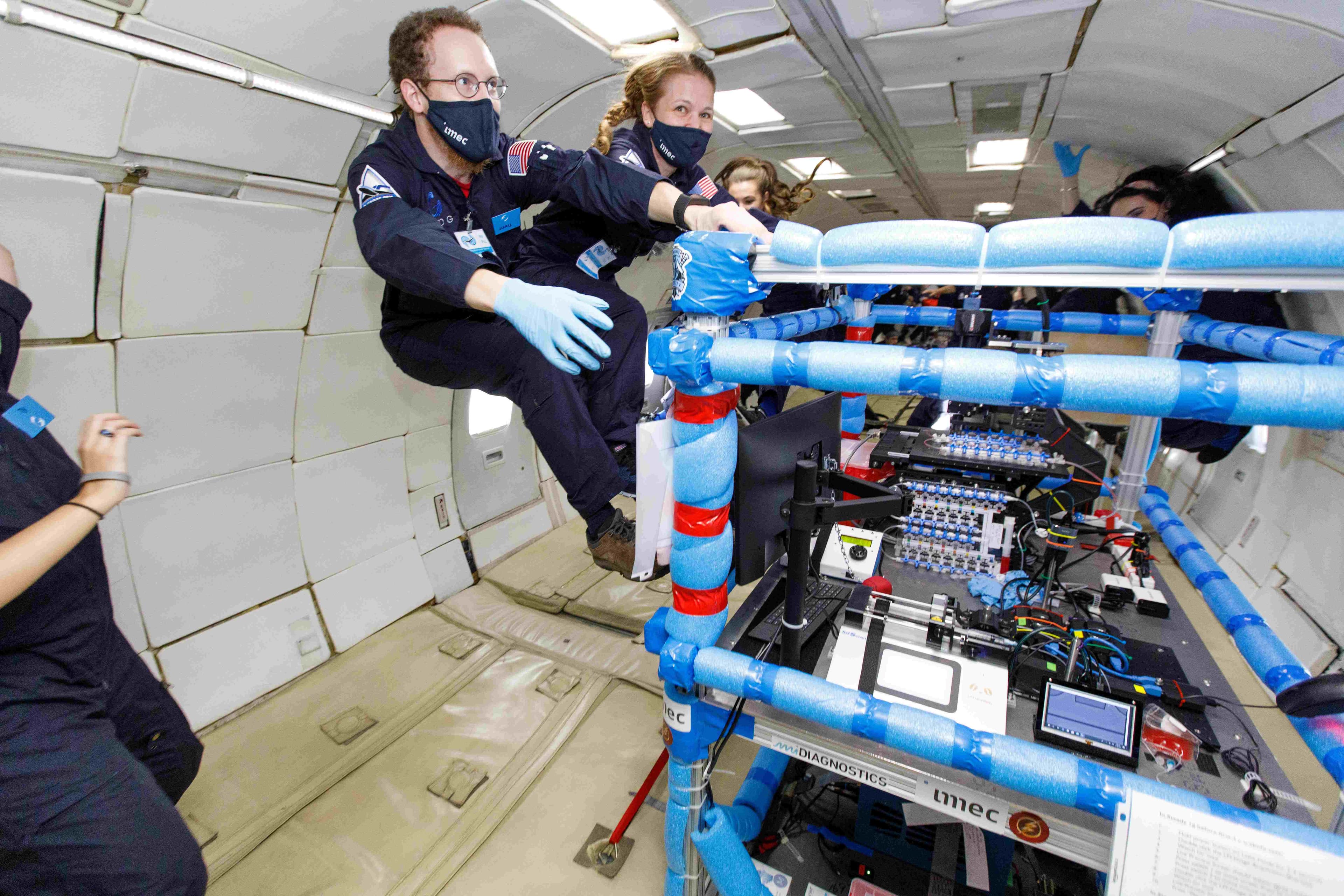
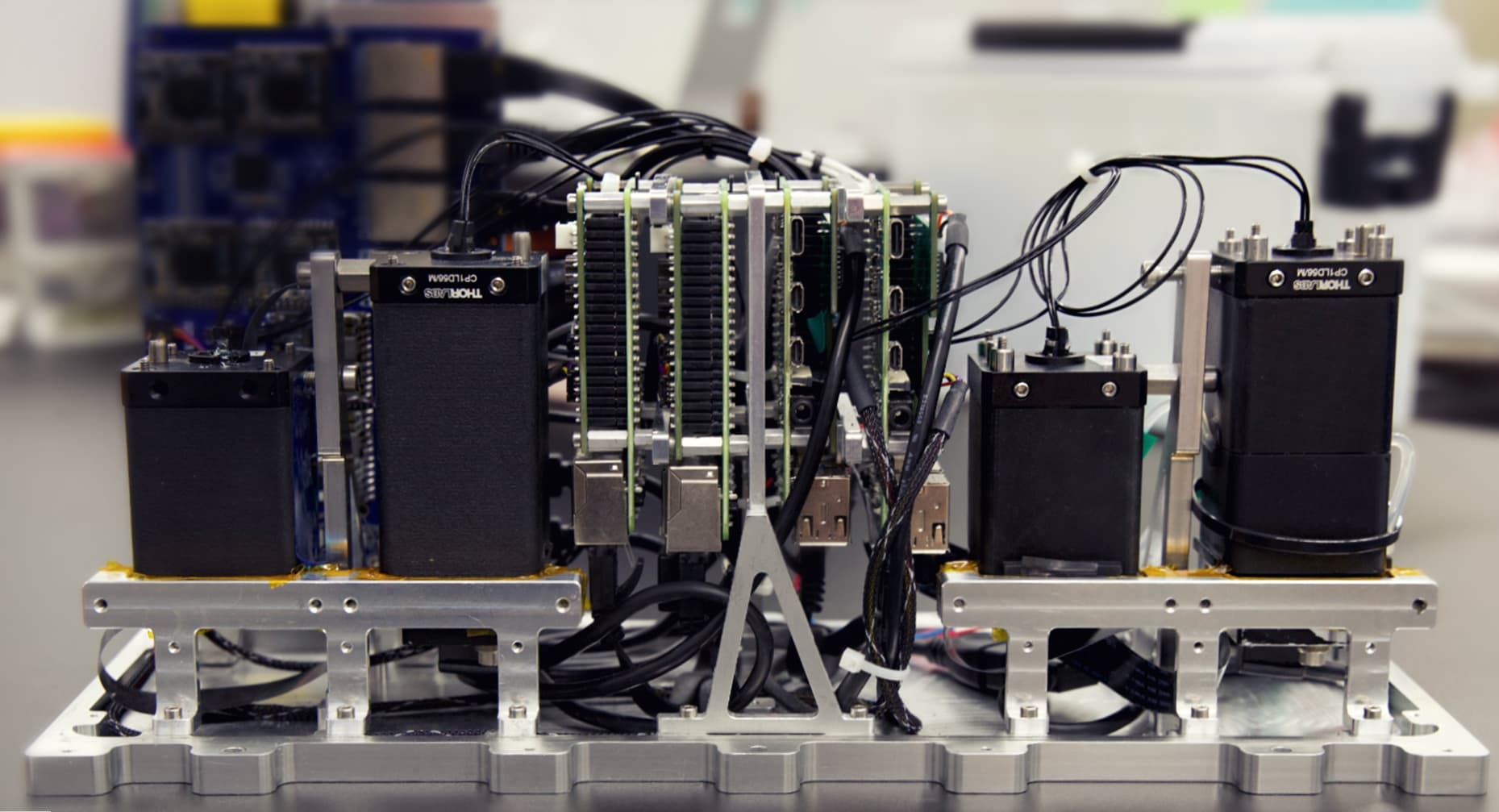
Throughout the suborbital flight – and three minutes of microgravity – four LFI modules operated in parallel, capturing static and time-lapse images. Ranging from fluid dynamics to cell culture, these experiments highlight the versatility and potential applications of this micrometre-scale technology.
Furthermore, imec's Neuropixels system demonstrated robustness and resilience during spaceflight. The silicon-based electrophysiology recording probes maintained their functionality after the suborbital flight, with the ability to measure neuronal activity with single-cell resolution. While neural networks are among the most vulnerable to the damaging effects of microgravity, this is the first device able to monitor their continuous activity in space.
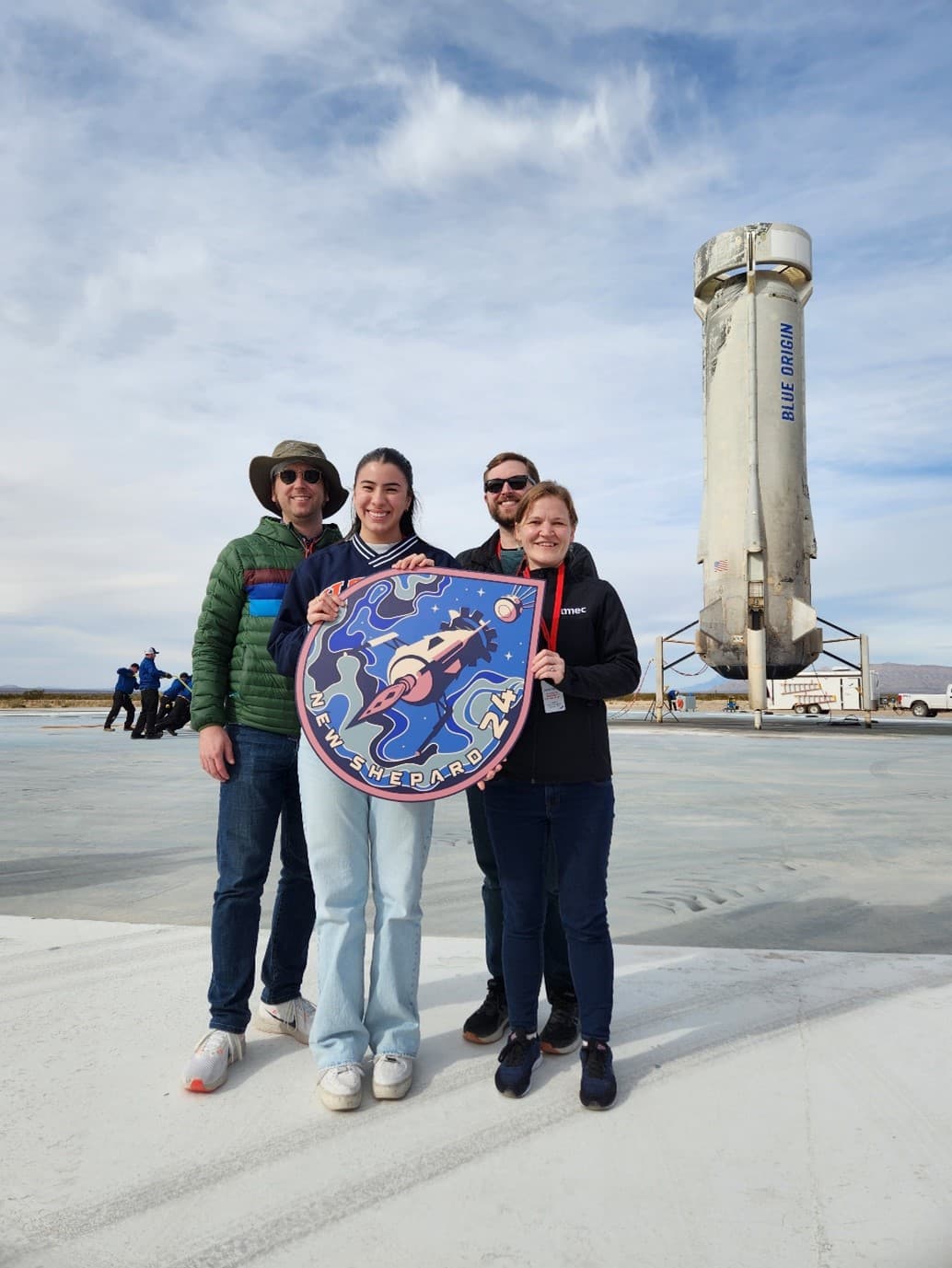
As an additional component of imec’s proposal to NASA, two NeoCity Academy experiments launched on the same rocket. Guided by imec researchers, high school students from Kissimmee, Florida, designed their own experiments. In addition to developing and refining their critical thinking, problem solving, and creativity skills, this unique hands-on real-world learning opportunity will demonstrate leadership and initiative as they go on to apply to colleges or universities in the future.
Principal Investigator Dr. Veerle Reumers commented,
"This collaboration has enabled us to push the boundaries of space research. Both imec’s lens-free imaging microscope and the Neuropixels electrophysiology platform will enable significant advances in scientific understanding beyond Earth's borders. Now that the two systems have showcased their potential for space endeavors, we look forward to exploring opportunities with future partners.”
Curious to learn more?
Learn more about NASA, Space Tango, and Blue Origin.
Watch researchers from the University of Central Florida explain how Microgravity affects the body.
Explore imec's innovative technologies and radiation-hardening capabilities for space exploration.
Authors

Veerle Reumers
Dr. Veerle Reumers is R&D manager in the imec Florida office, initiating new collaborations and research projects in imaging and space health. She obtained her Master’s and Ph.D. degree in biomedical sciences from the University of Leuven and performed her postdoc on molecular imaging techniques in neurosciences at Harvard Medical School. At imec, she explored different applications in cell biology with a main focus on lens-free imaging and multi-electrode array electrophysiology. As R&D team leader she was leading public-funded academic collaborations and industry-driven bilateral projects.