Selective peripheral nerve stimulation (PNS) for medical implant devices
The future of nerve stimulation therapies depends on greater selectivity, easier implantation, and wider adoption. To bring us closer to these objectives, imec explores novel stimulation methods and leverages its knowhow in implantables.
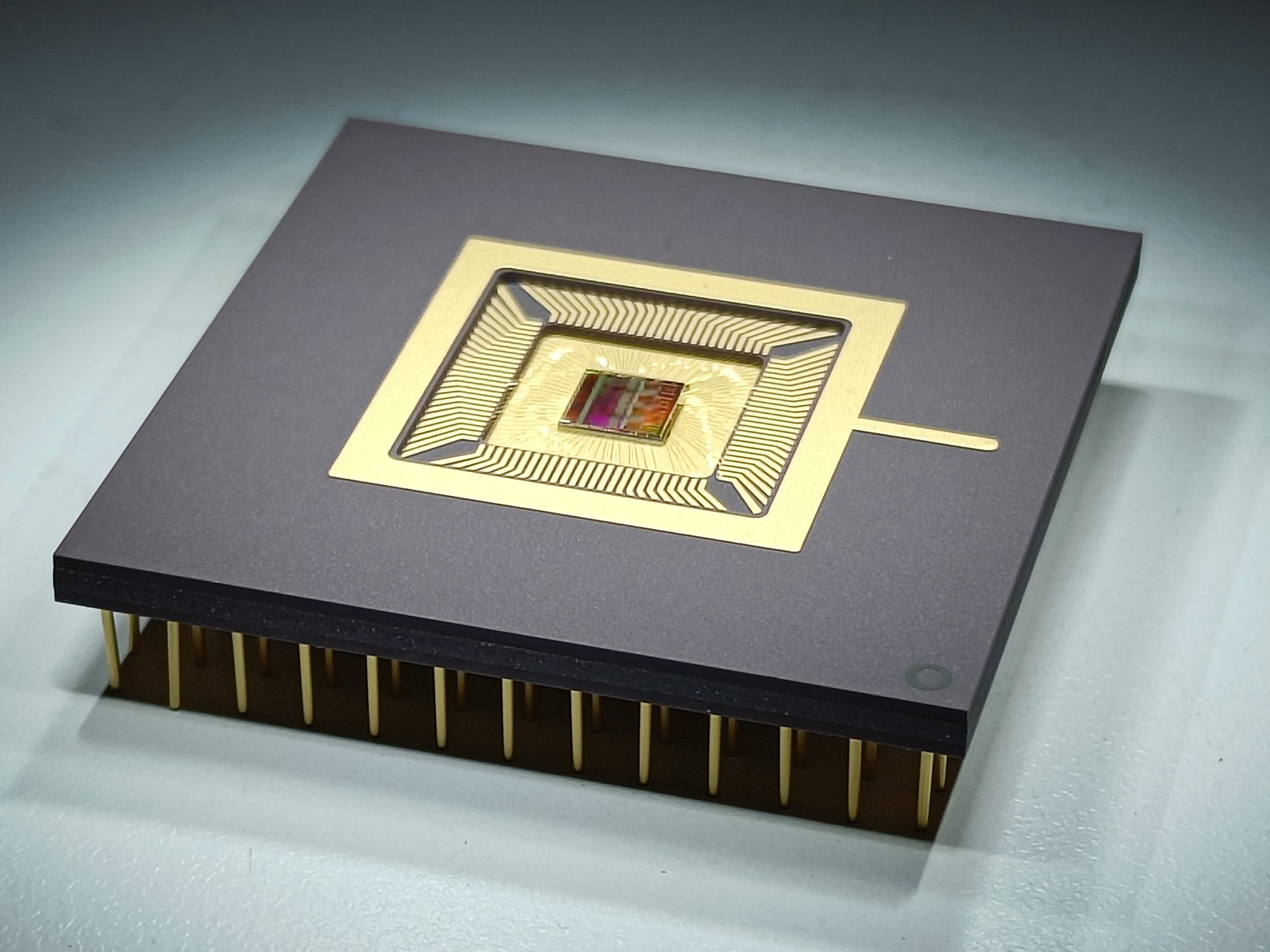
Peripheral nerve stimulation (PNS) is being extensively explored as a treatment for afflictions such as epilepsy, chronic pain, depression and inflammatory bowel disease. Its working principle is to alter the default electrical activity of neural fibers in the peripheral nervous system. These fibers connect the brain to the peripheral organs of the body such as the heart, lungs and intestines. Oftentimes, the cervical vagus nerve is specifically targeted.
Such bioelectronic medicine (BEM) treatment impacts people’s wellbeing without the need for – or as a complement to – pharmacological therapies. And in contrast to conventional pharmaceutically administered medicine, it can be switched on and off instantaneously.
Read the article: from pills to pulses
To enhance the comfort and efficiency of future PNS implants, imec researchers are looking towards various improvements – both at the level of the system and of its components.
PNS implant technology: challenging the status quo
Current chronic PNS systems mostly rely on bipolar or tripolar cuff electrodes wrapped around, for instance, the vagus nerve. The electrical stimulation is typically delivered through repetition of short pulses with parameters tuned to maximize treatment efficiency while minimizing the side effects.
This method delivers good results and has improved many people’s lives. However, there’s ample room for improvement. The main drawbacks of current chronic PNS implant technologies are:
- limited selectivity – To engage specific fibers associated with targeted bodily regions or functions, the current is delivered across the whole cross section of the nerve. This activates fibers innervating body parts not meant to be targeted. And often leads to side effects for the patients: coughing, troublesome swallowing or breathing, a changed voice, headaches, ...
- complex implantation – The implantation includes fixating a cuff electrode on the nerve, positioning a bulky implantable program generator (IPG) in the chest pocket, and tunneling through the neck to connect the two. Besides the invasiveness of the implantation procedure, complications such as pain, swelling, and infections can arise.
Selective PNS offering at imec
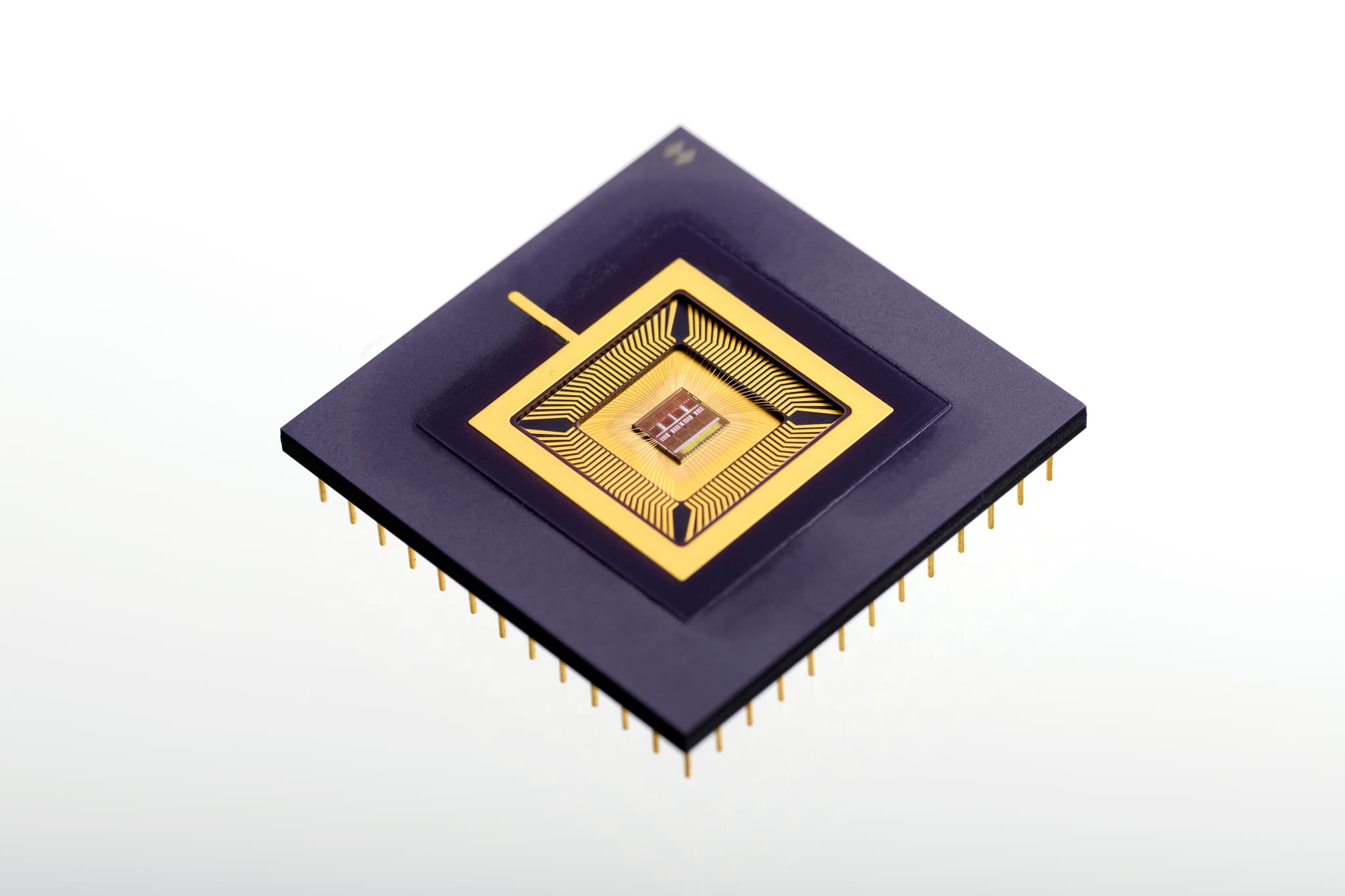
How can we radically improve the selectivity of nerve stimulation towards better outcomes? Imec researchers are investigating intermittent interferential current stimulation (i2CS). It’s a promising method, but it calls for specific electronics with rigorous requirements, and the introduction of novel multi-contact electrodes. The main technological challenges include synchronous delivery of interferential currents through electrode pairs and the ability to minimize signal distortion and leakages when injecting high currents at high frequencies.
To enable this new approach, in collaboration with Feinstein Institute for Medical Research and other partners, imec is overcoming technological challenges and investigating the effects of applying i2CS to living tissue. We do this through:
- developing technological building blocks to facilitate a minimally invasive implantation procedure: new low-power stimulation engines and in-body powering to minimize the size of IPGs
- computational modeling to enable optimization of electrode designs and selective stimulation protocols
- practical experiments to better understand the workings of selective targeting and short- and long-term effects of i2CS
The main research outcomes include:
- IC design that supports i2CS
- low-power electronics and novel wireless powering techniques towards miniaturized IPGs
- experimental in-vivo results demonstrating the benefits of i2CS
- simulation results that guide electrode design and definition of stimulation protocols
- multi-contact cuff electrode designs that allow for the i2CS and thus for more selective stimulation
One-stop innovation service: from PNS components to systems
To advance PNS implant technology, imec not only works on novel stimulation methods, but also leverages its wide expertise in implantable technologies. This allows us to assist partners in developing systems that are:
- smaller in size, and therefore less invasive
- more affordable
- less power-hungry
Read the 2021 press release about our collaboration with Neurogyn
Our toolbox ranges from miniaturization strategies and wireless powering to ultra-low-power radio for data transfer and algorithms to enable closed-loop solutions.
Imec’s selective PNS technology results in:
- Bioelectronic medicine (BEM) that can be switched on and off instantaneously, which is not the case with conventional pharmaceutically administered medicine.
- Selectivity towards specific fibers in the nerve, resulting in an improved targeted/not-targeted ratio of the effects and side-effects.
- An expected improvement in the implantation procedure due to the use of miniaturized technology, that could lead to minimally invasive surgery.
- Facilitation of closed-loop treatment to always target the right fibers in the nerve through on-the-fly adaptation driven by physiological measurements on end-organs.
Work with us
Do you want to boost your R&D into a next-gen solution for peripheral nerve stimulation? We’re ready to help you out by offering access to our toolbox of technologies and assist you in system development – including companion devices for the implant. Moreover, our technological expertise is backed by our knowhow and experience in clinical areas such as cardiovascular, respiratory and renal health.
Imec not only helps you to address technological challenges. Thanks to our thorough knowledge of the health and pharma sector, we can function as your full-fledged strategic partner – right down to venturing support.
Click the button below to get in touch.
Reading room

Meet imec fellow Mircea Dusa
Mircea is a visionary scientist in lithography, with a deep understanding of photolithography and optical equipment built over many years.
Read more

How hyperscalers are rethinking AI infrastructure
To move data faster, farther, and more efficiently, the AI ecosystem is exploring RF silicon interposer technology that allows to heterogeneously integrate CMOS, BiCMOS, and III-V materials
Read more
ITF USA 2026 at SEMICON® West
From silicon to systems: building the AI future The pace of AI evolution leaves little room for certainty. Yet, several trends are clear: AI agents increasingly collaborating in orchestrated ecosystems are on the rise. Physical AI is a crucial next step, including (humanoid) robots transforming our homes and workspaces. In parallel, AI – just like advances in quantum computing – could help unlock breakthroughs in fields such as physics and biology. Building the AI future starts with a solid hardware foundation – from high-performance, energy-efficient compute in the data centers to low-power, real-time inference at the edge. ITF USA at SEMICON® West presents the building blocks for shaping the AI future. On October 12 in San Francisco, we take stock of the full AI deep-tech stack: from silicon to systems, from research to manufacturing. Discover ITF USA
View event