Imec and Feinstein unveil novel concept for neuromodulation with intermittent interferential current stimulation
Towards more effective and precise therapies for chronic diseases.
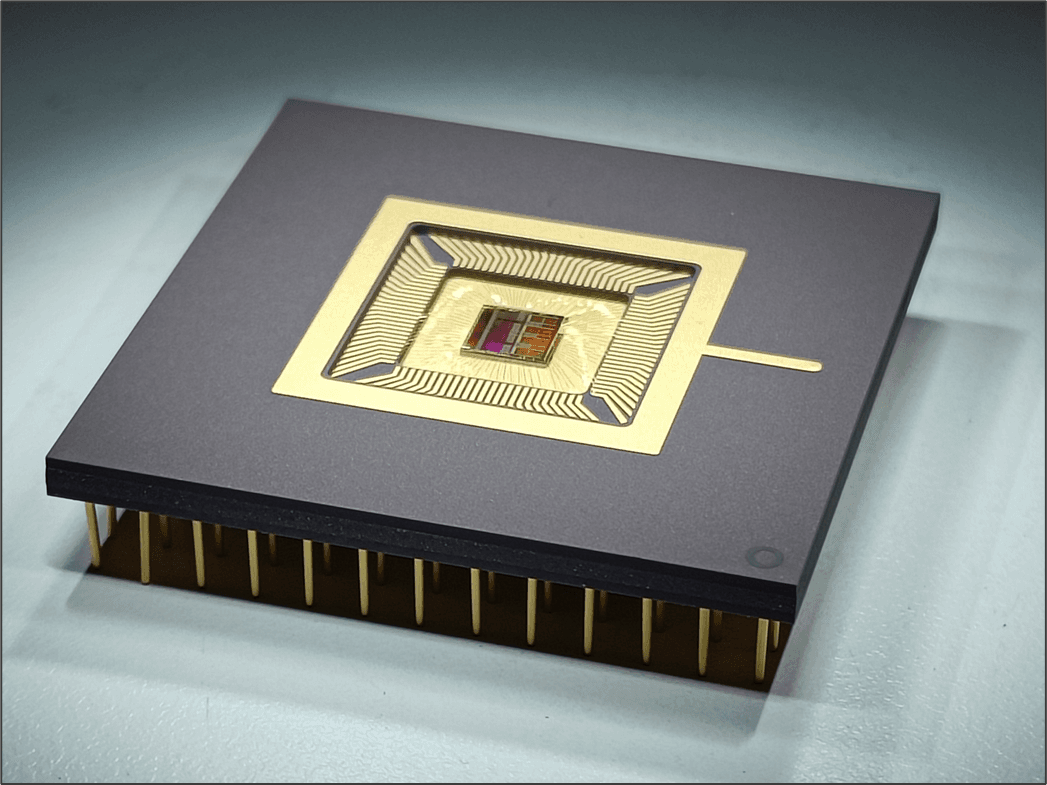
LEUVEN (Belgium), May 14, 2025 – Imec, a world-leading research and innovation hub in nanoelectronics and digital technologies, and the Feinstein Institutes for Medical Research, introduce a novel method for activating neural tissue using intermittent interferential current stimulation (i²CS). The method, detailed in Nature Communications, offers more precise and energy-efficient control over neural activation, reducing side effects and enhancing stimulation efficacy. This unlocks novel therapy possibilities for chronic diseases, such as vagus nerve stimulation for the treatment of depression and rheumatoid artritis.
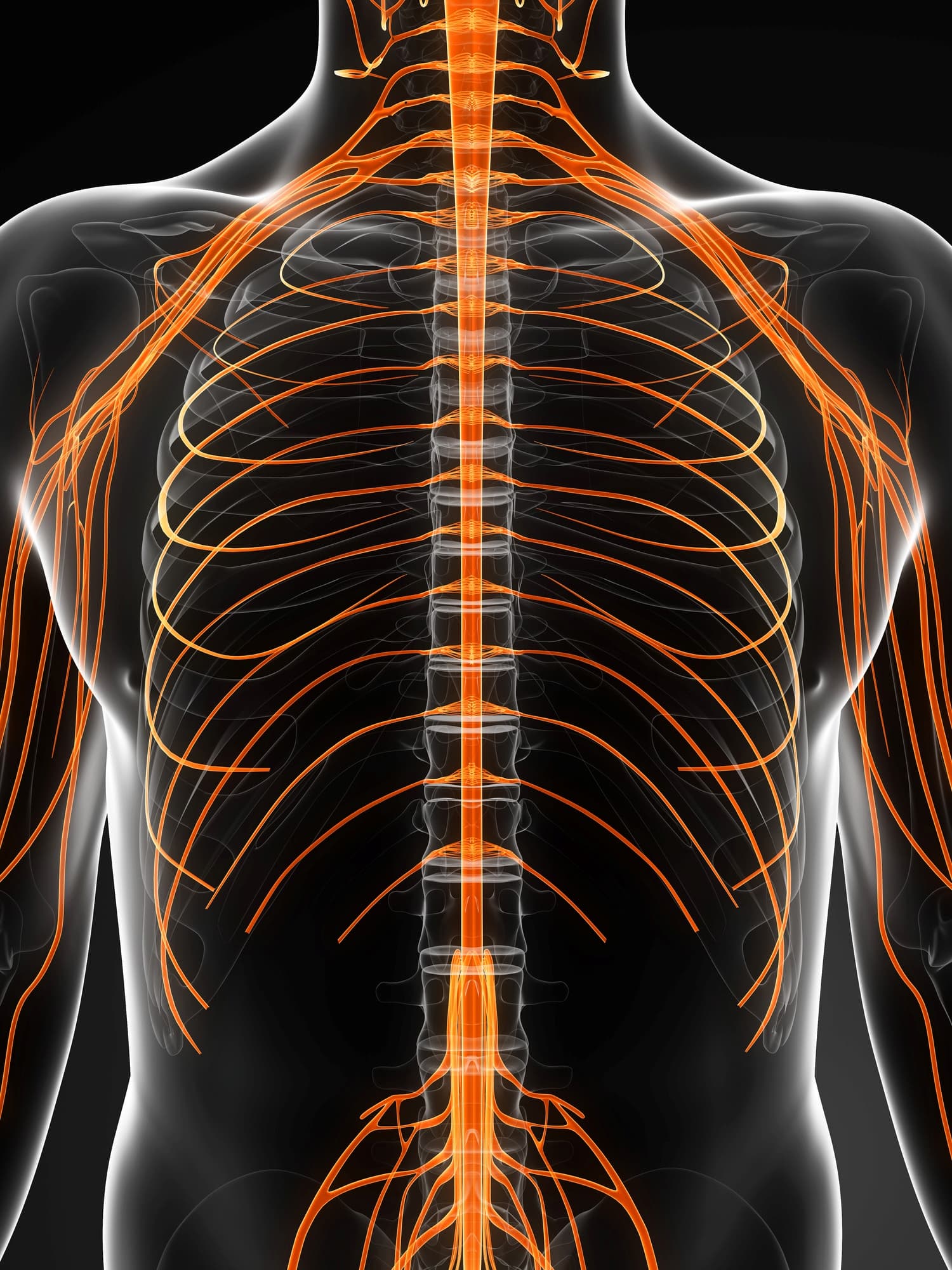
The vagus nerve is a crucial component of our autonomic nervous system. Originating in the brainstem and extending through the neck, chest, and abdomen, it regulates essential processes of the autonomous nervous system such as heart rate, digestion, and respiratory rate. By leveraging the vagus nerve’s ability to interface between vital organs and the brain, clinical treatment can harness the body’s natural mechanisms for maintaining balance and health. However, traditional vagus nerve stimulation (VNS) methods, currently used for treating conditions such as epilepsy and depression, lack the precision needed to target organ-specific fibers within the nerve; gaining precision over which fibers are stimulated could open possibilities for new therapeutic targets for VNS and reduce some undesirable side effects of VNS, such as neck pain or voice changes.
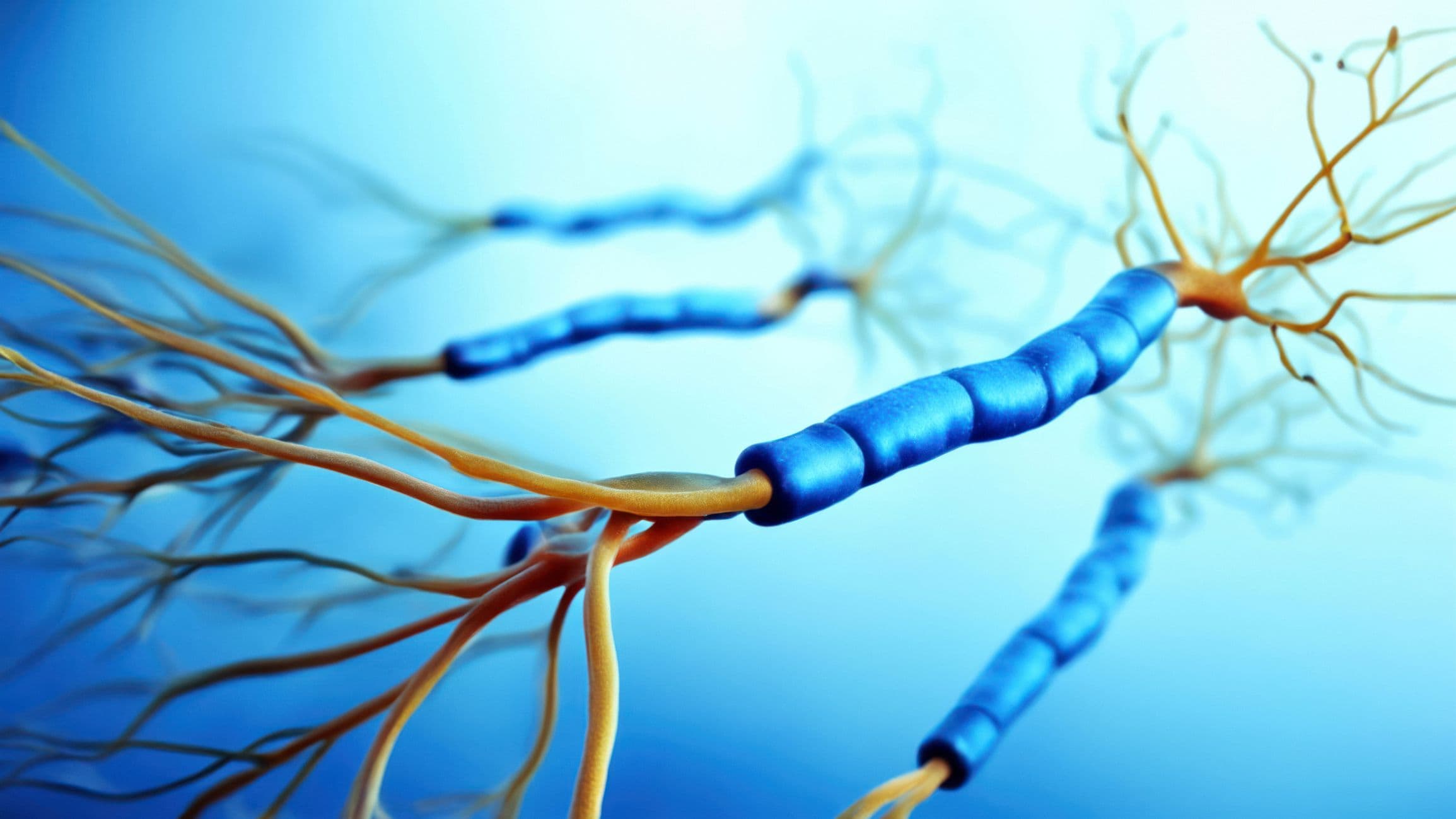
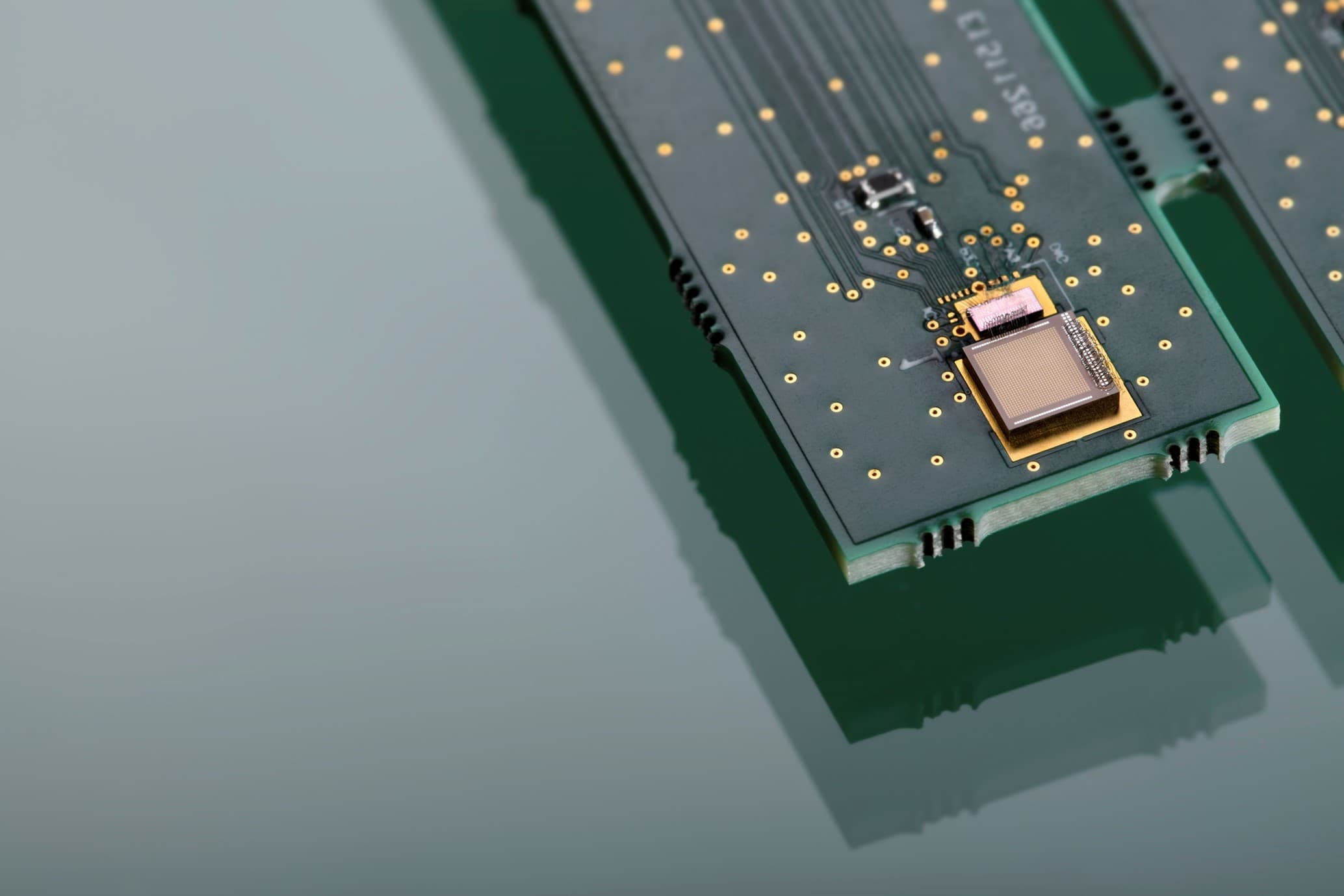
Based on intermittent interferential current stimulation (i²CS), imec developed an ASIC to enhance control over the activation of the vagus nerve. Cuffs around the nerve are used to deliver slightly different sinusoidal stimuli, creating a specific activation pattern. This pattern allows for more localized activation and improved control of the organ-specific fibers within the vagus nerve, significantly reducing the activation of non-targeted fibers and thus minimizing side effects in other organs. These effects were indeed observed when investigators from the Translational Neurophysiology Lab, led by Stavros Zanos, associate professor at Feinstein Institutes for Medical Research, in collaboration with imec, applied i²CS on the vagus nerve in large animal trials.
"Although interferential stimulation has been studied for modulating brain activity, this is the first detailed exploration of intermittent interferential stimulation in peripheral nerves, and in particular in the vagus nerve. Using intermittent, instead of continuous, stimulation resulted in improved control, but also makes the process more energy-efficient, easier to integrate into implants, and allows simultaneous neural activity recording and stimulation, facilitating closed-loop applications," explains Nicolò Rossetti, a senior researcher at imec.
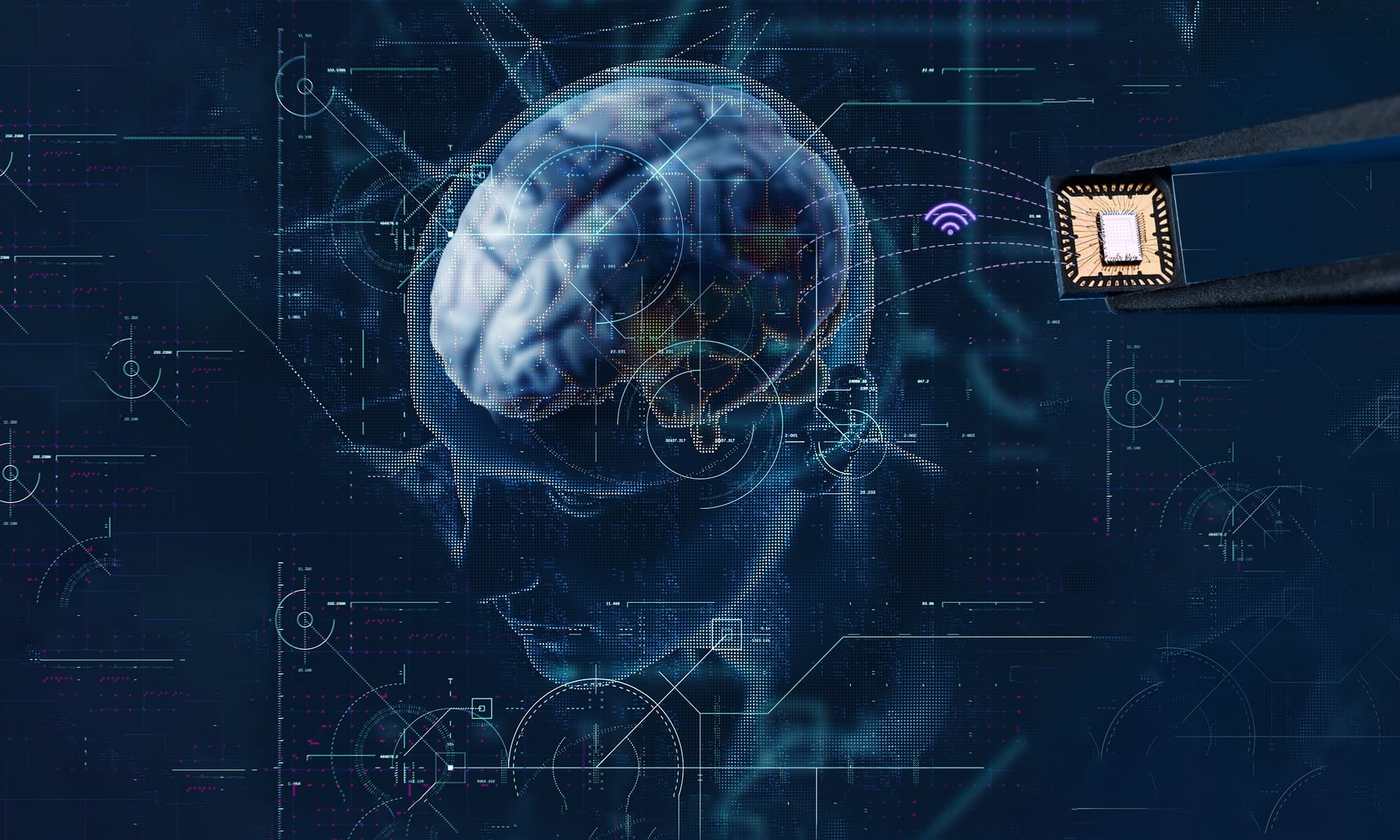
The next steps include enhancing and optimizing this new stimulation method, beyond the vagal nerve, and providing the technology building blocks needed to create a neuromodulation implant. "We have designed an ASIC specifically to support i²CS and novel complex stimulation paradigms. Our plan is to integrate the chip into a system that will enable companies and startups to develop next-generation implantable devices," concluded Vojkan Mihajlovic, principal member of technical staff at imec.
The findings are described in full in the article ‘Control of spatiotemporal activation of organ-specific fibers in the swine vagus nerve by intermittent interferential current stimulation’, which can be found in Nature Communications.
About imec
Imec is a world-leading research and innovation center in nanoelectronics and digital technologies. Imec leverages its state-of-the-art R&D infrastructure and its team of more than 6.000 employees and top researchers, for R&D in advanced semiconductor and system scaling, silicon photonics, artificial intelligence, beyond 5G communications and sensing technologies, and in application domains such as health and life sciences, mobility, industry 4.0, agrofood, smart cities, sustainable energy, education, … Imec unites world-industry leaders across the semiconductor value chain, Flanders-based and international tech, pharma, medical and ICT companies, start-ups, and academia and knowledge centers. Imec is headquartered in Leuven (Belgium), and has research sites across Belgium, in the Netherlands, the UK and the USA, and representation in 3 continents. In 2024, imec's revenue (P&L) totaled 1,034 billion euro.
Further information on imec can be found at www.imec-int.com.
The imec group holds a global trademark portfolio, including word marks and combined figurative registered and unregistered trademarks, across national, regional, and international territories. Its lawful use requires prior written consent of IMEC in compliance with the IMEC branding guidelines, which may be updated periodically. The latest version is available upon written request.