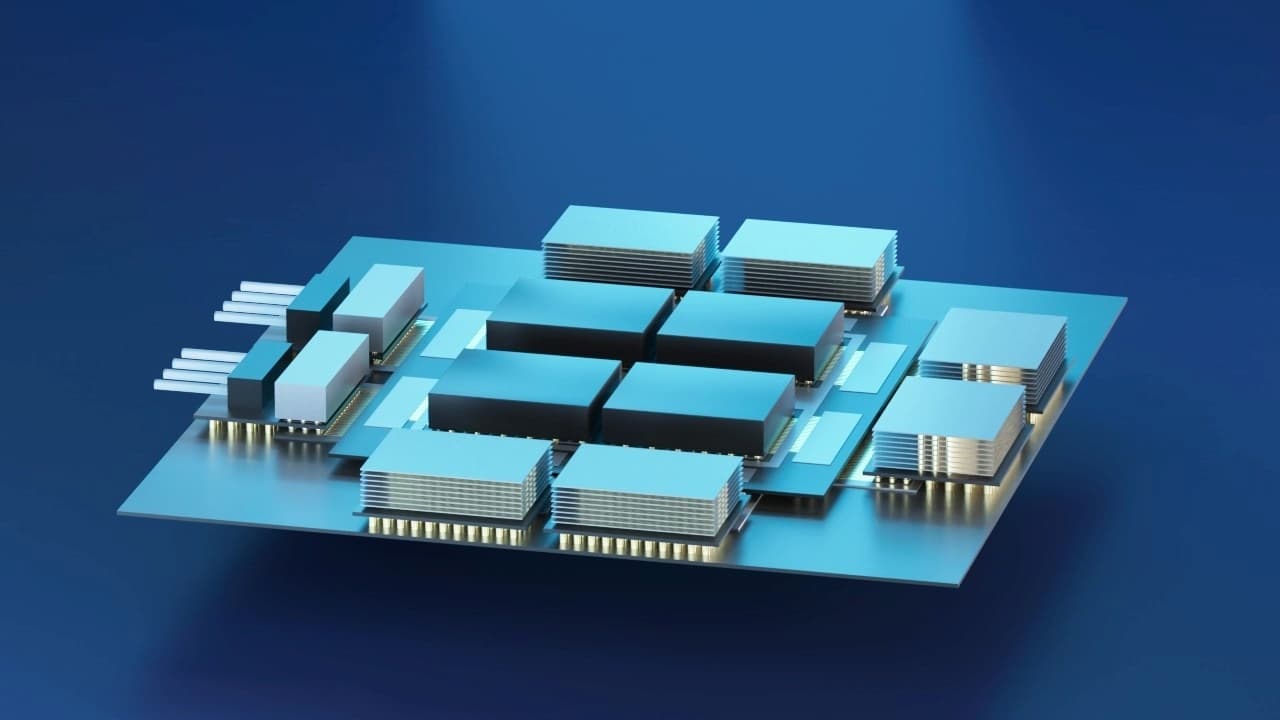
Anton Potočnik receives prestigious ERC Consolidator Grant to enable scalable superconducting quantum computers with qubit readout at near absolute zero (milliKelvin) temperatures
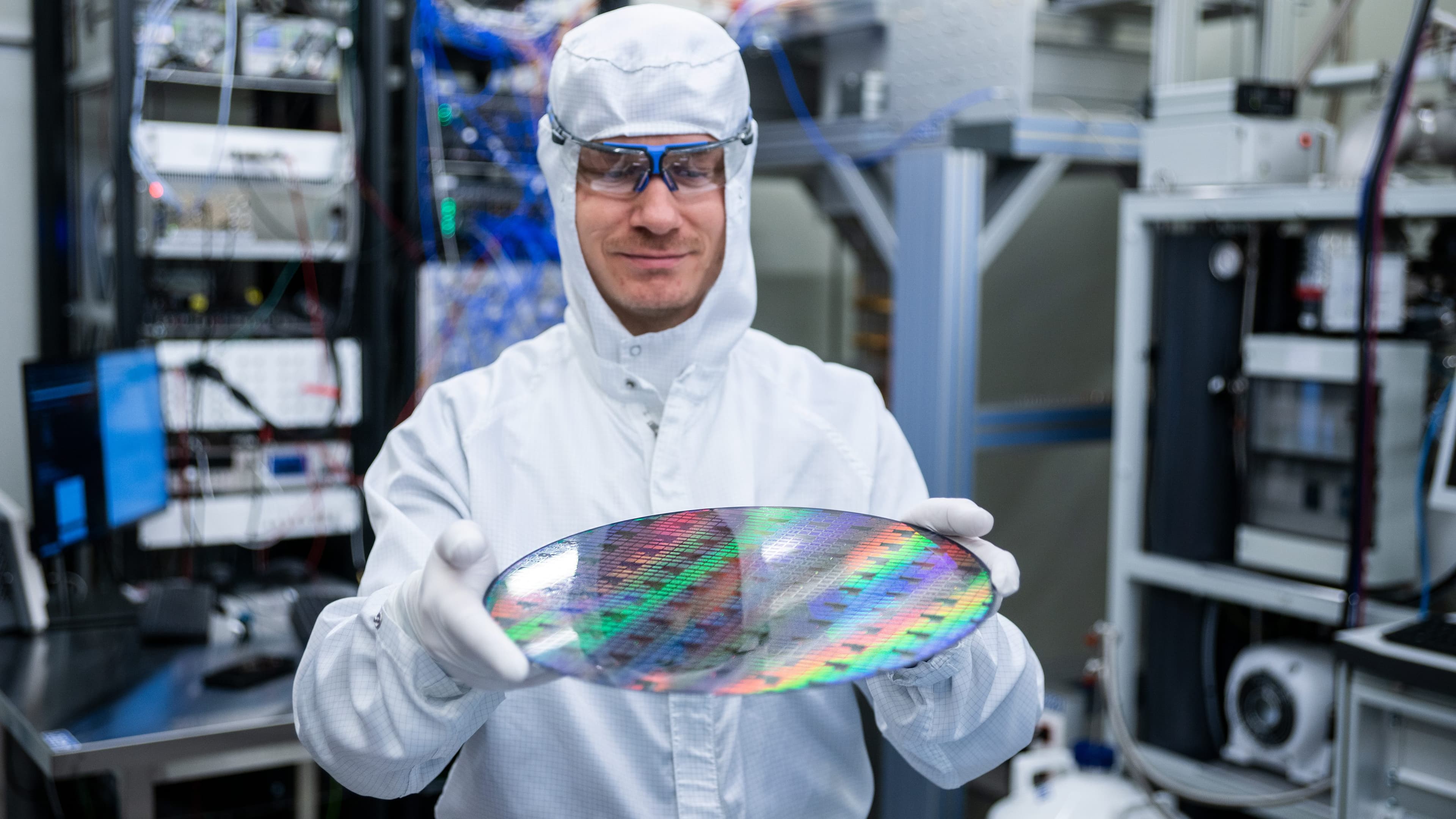
LEUVEN (Belgium), 9 December 2025 – Imec, world-leading R&D center in advanced semiconductor technologies, announced today that the European Research Council (ERC) has awarded a Consolidator Grant to Anton Potočnik, for his project SuperQold, focusing on scaling superconducting qubit readout with millikelvin (mK) detection.
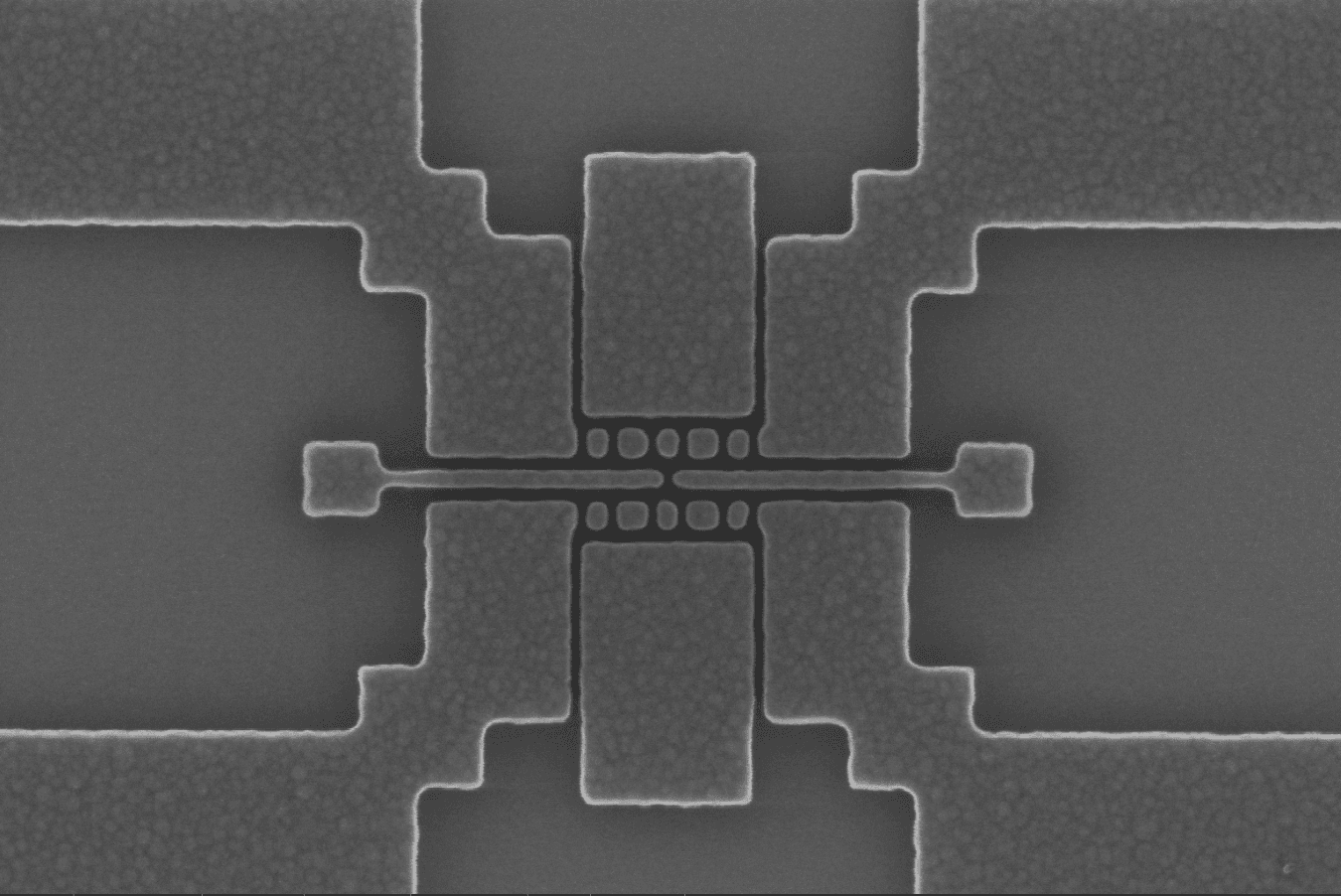
SuperQold aims to fundamentally change how superconducting qubits are read out by moving signal detection from room temperature down to the millikelvin stage, right next to the qubits. This breakthrough approach will remove major hardware bottlenecks and pave the way for quantum computers that can scale from today’s hundreds of qubits towards the millions of qubits needed for practical, error-corrected applications.
The ERC will support this ambitious five-year project with a 2.86M euro grant.
Quantum computing is widely regarded as a game-changing technology, with the potential to tackle problems that are intractable for classical computers. Among the leading platforms are superconducting quantum technology, based on superconducting quantum bits or qubits.
While research groups worldwide are now working on processors with tens to hundreds of qubits, the scale required for fault-tolerant quantum computing is still out of reach with today’s hardware architectures.
From hundreds to millions of qubits
A key limitation lies in the way qubit signals are routed and detected. In current systems, each qubit is connected via centimeter-scale microwave components and wiring from a dilution refrigerator at millikelvin temperatures up to room-temperature electronics. Direct scaling of this approach would lead to unmanageable heat load into the cryogenic system, severe space constraints inside the refrigerator, and exploding cost and power consumption of room-temperature measurement equipment.
“Today, readout and control hardware are one of the biggest obstacles when it comes to further scaling superconducting quantum computers,” says Anton Potočnik, quantum hardware researcher at imec. “If we simply add more cryogenic cables, circulators and room-temperature instruments, the system becomes physically and thermally impossible to manage. With SuperQold, we want to break that paradigm.”
The SuperQold approach
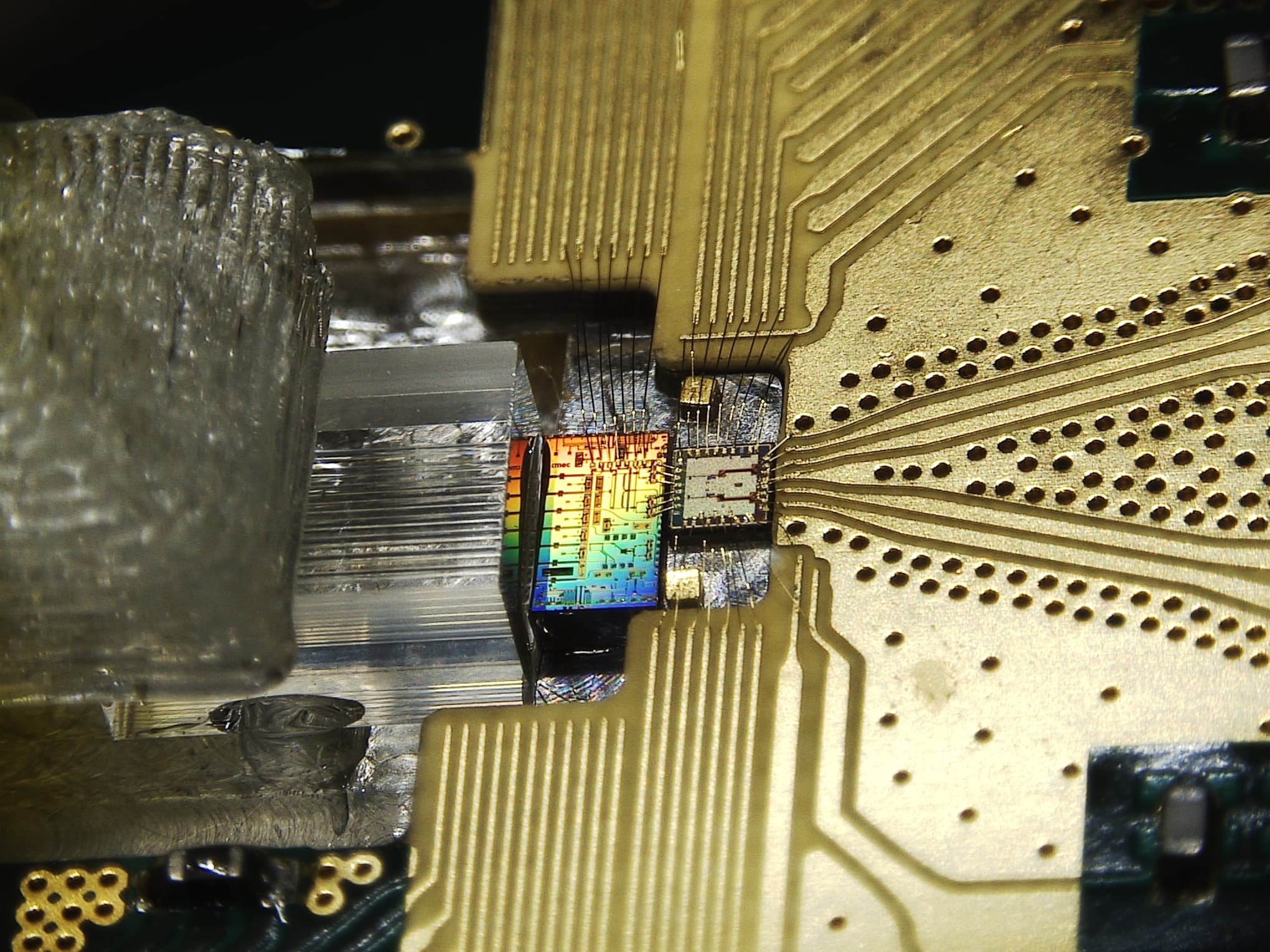
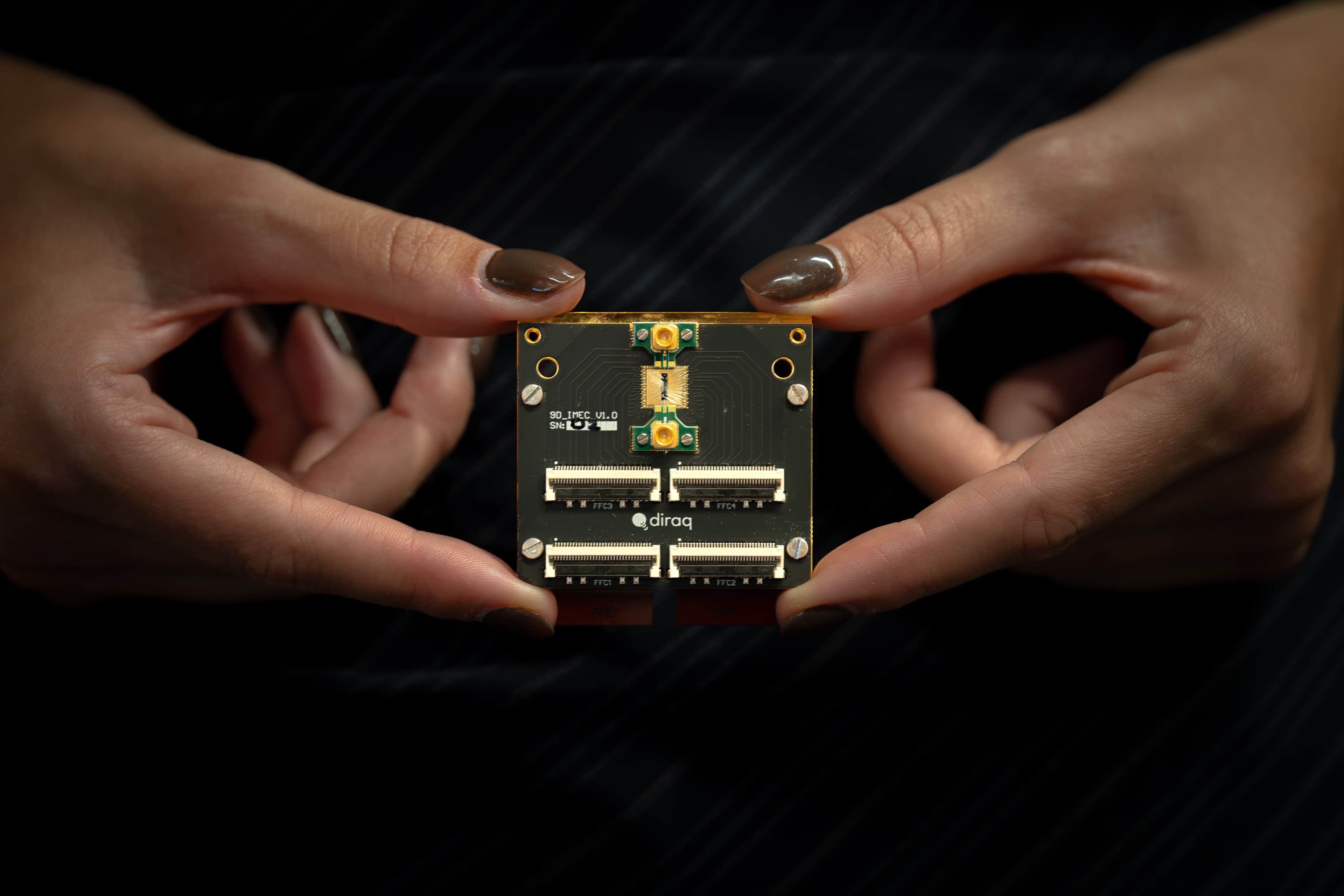
Potočnik plans to tackle this challenge by co-integrating superconducting qubits with cryo-CMOS electronics, directly at millikelvin temperatures. Instead of sending fragile quantum signals all the way to room temperature, qubit-state detection will be performed locally, near the qubits themselves.
This radically new architecture will:
- eliminate large microwave components in the output lines,
- reduce the number of signal lines between the refrigerator and room temperature, and
- remove the need for large, power-hungry room-temperature acquisition systems.
By detecting and processing signals close to the qubits, SuperQold opens the door to in-situ data processing and fast feedback, which are essential for implementing quantum error detection and correction schemes.
“With SuperQold, we want to show that you can bring advanced CMOS electronics all the way down to millikelvin temperatures and use them to read out qubits efficiently and reliably,” Potočnik explains. “If we succeed, it will reshape how superconducting quantum processors are built and unlock truly scalable architectures.”
Beyond quantum computing
While SuperQold is primarily aimed at scalable quantum computing, its implications extend much further. The concepts and technology developed in the project will also open up new paradigms in quantum simulations, quantum sensing, superconducting electronics, and ultra-low power electronics.
“This ERC Consolidator Grant is a strong recognition of Anton Potočnik’s track record and vision in superconducting quantum technologies and interfacing quantum systems with classical control and readout circuits,” says Kristiaan De Greve, program director Quantum Computing and fellow at imec. “SuperQold aligns well with imec's vision in quantum computing, a vision that is centered around taking qubits and control from lab to 300mm fab: making large scale quantum systems requires a coherent interplay between innovation and tackling engineering challenges at both qubit and control level, with a strong emphasis on the interaction between qubits and cryo-CMOS control. Anton's ERC CoG will focus on the latter, to help solve challenging readout bottlenecks.”
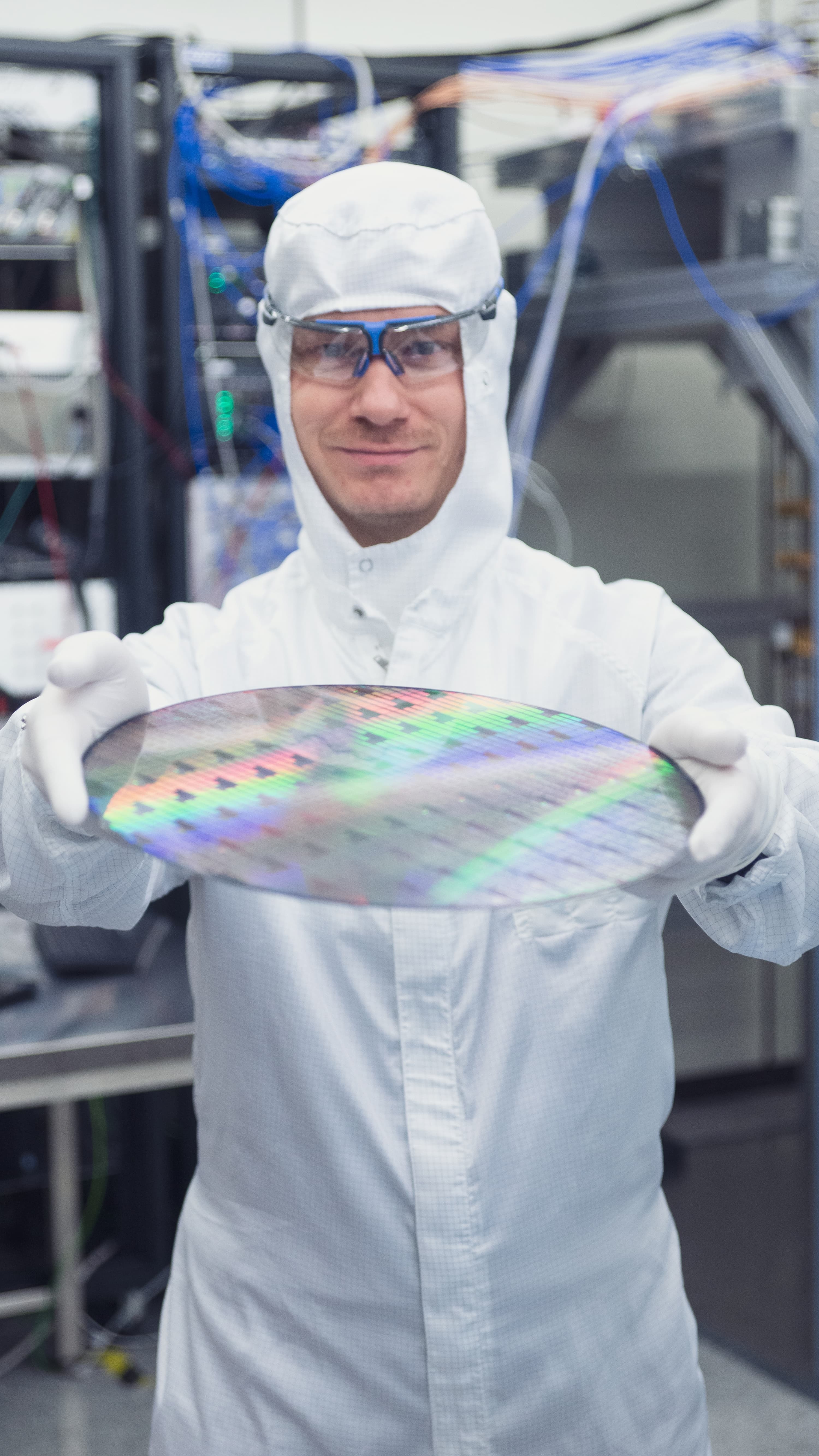
About Anton Potočnik
Anton Potočnik joined imec in 2018 as a researcher in superconducting quantum technologies, focusing on high-coherence superconducting circuits, novel qubit integration approaches and qubit control with cryo-CMOS electronics. Before joining imec, he was a postdoctoral researcher in Prof. Andreas Wallraff’s group at ETH Zurich, working on analog quantum simulation. He obtained his PhD at the Faculty of Mathematics and Physics in Ljubljana and the Jožef Stefan Institute, where he studied molecular superconductors near the metal-insulator transition using magnetic resonance techniques.
About imec
Imec is a world-leading research and innovation hub in advanced semiconductor technologies. Leveraging its state-of-the-art R&D infrastructure and the expertise of over 6,500 employees, imec drives innovation in semiconductor and system scaling, artificial intelligence, silicon photonics, connectivity, and sensing.
Imec’s advanced research powers breakthroughs across a wide range of industries, including computing, health, automotive, energy, infotainment, industry, agrifood, and security. Through IC-Link, imec guides companies through every step of the chip journey - from initial concept to full-scale manufacturing - delivering customized solutions tailored to meet the most advanced design and production needs.
Imec collaborates with global leaders across the semiconductor value chain, as well as with technology companies, start-ups, academia, and research institutions in Flanders and worldwide. Headquartered in Leuven, Belgium, imec has research facilities in Belgium, across Europe and the USA, and with representation on three continents. In 2024, imec reported revenues of €1.034 billion.
For more information, visit www.imec-int.com
The imec group holds a global trademark portfolio, including word marks and combined figurative registered and unregistered trademarks, across national, regional, and international territories. Its lawful use requires prior written consent of IMEC in compliance with the IMEC branding guidelines, which may be updated periodically. The latest version is available upon written request.