Unravelling the underlying mechanism of fibrosis at the single-cell level
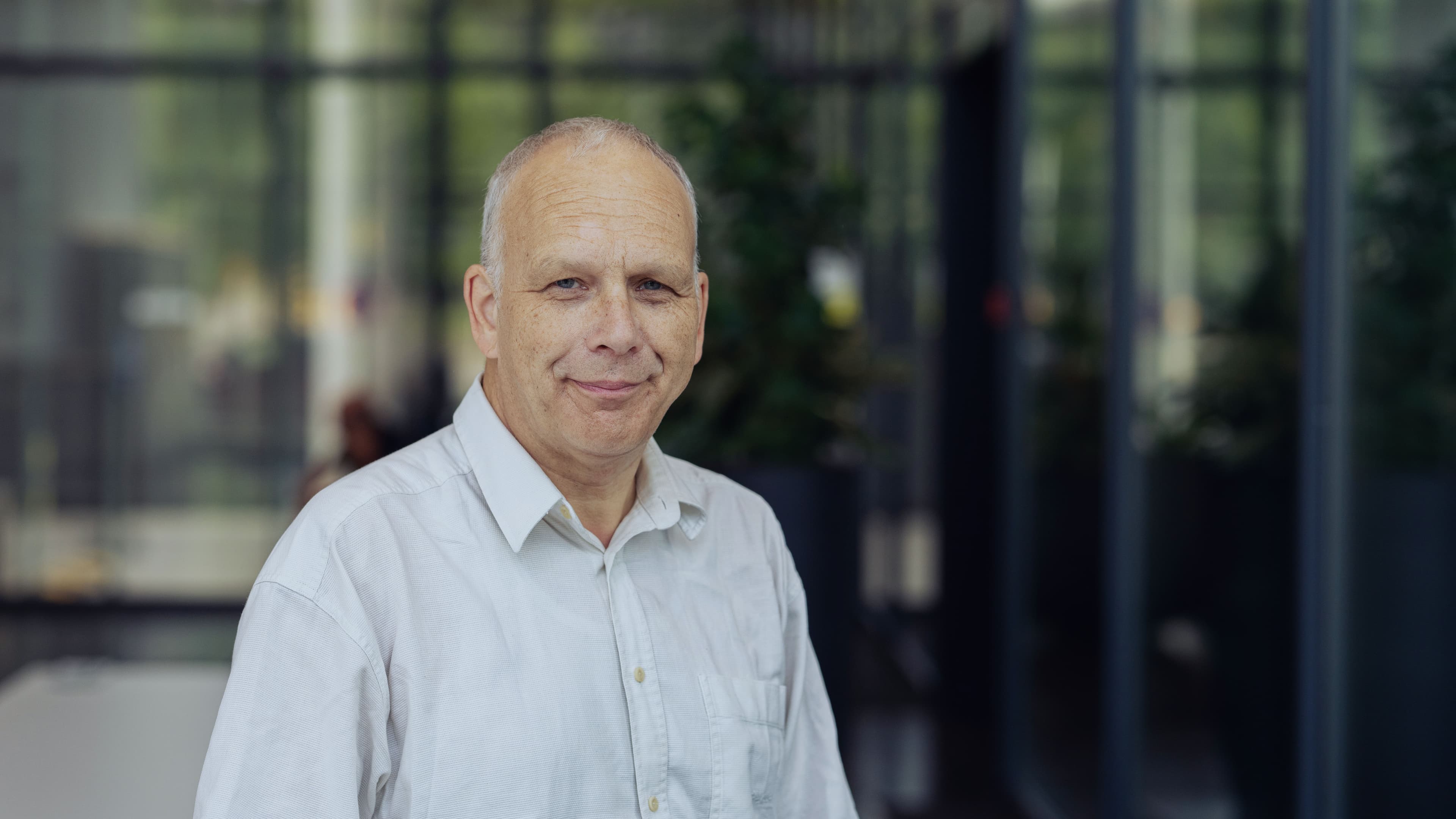
Johanna Bolander, the beneficiary of imec’s second tenure track, leverages chip technology to unlock the interaction between cells.
In short
To further excel in groundbreaking technology research, imec launched its own tenure track in 2020.
Johanna Bolander is building her interdisciplinary team and is excited to do research that can help detecting fibrosis in an early stage, with the goal to help the industry in the development of accessible treatments.
As from September 2024, imec welcomes new applications for its third edition of the Tenure Track.
Who is Johanna Bolander?
I am originally from Sweden and during my studies in Engineering in Biotechnology at Lund University, I found my way to Belgium through an Erasmus year at VUB in Brussels. This sparked my passion for regenerative medicine, so I explored this further trough a master's thesis internship at the Tissue Engineering lab at KU Leuven. After this, I stayed in the lab and did a PhD at KU Leuven with an FWO fellowship, where my project was focused on the development of cell-based implants for the treatment of critical-sized bone fractures. After this, I received postdoctoral fellowships that allowed me to go abroad to pursue my research and further develop my knowledge and experience internationally, including The Netherlands and the US. There, I also started a new project, focusing on the synovial joint, trying to understand why injuries in the joint fail to heal. It is quite a complicated subject, but also very intriguing because you don’t have all the answers. It’s an open door and you take it to wherever your research brings you.
Even though my research went well and was successful, as far as showing clinical success, I felt that I was still limited in terms of technologies to answer my most crucial scientific questions. Imec was certainly not the standard choice where you want to start your research group in my field. But while doing my PhD in Leuven, I passed by the imec campus almost every day. During some local conferences I got in touch with the research that is done here, and I was completely fascinated noticing the potential for my own research. I am really looking for a therapy that is accessible to everyone as there are over 500 million people with osteoarthritis worldwide. This means we truly need to understand better what is happening at a very early stage so that you avoid degeneration of the tissue that comes with severe pain and chronic inflammation. Therefore, I applied for the second edition of the imec tenure track position, with the goal of studying the underlying mechanism of fibrosis at the single-cell level.
How does the unique infrastructure at imec enable you to move forward?
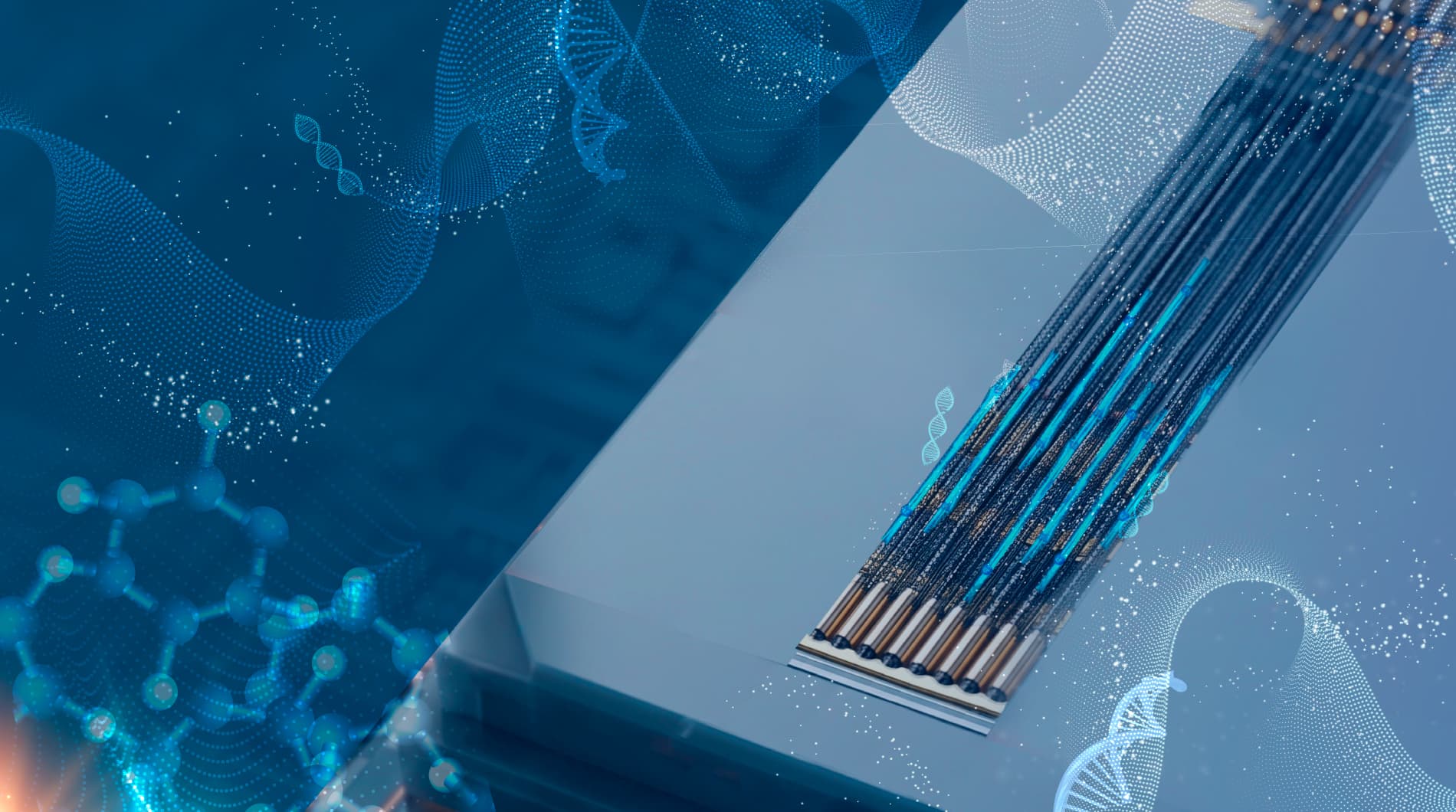
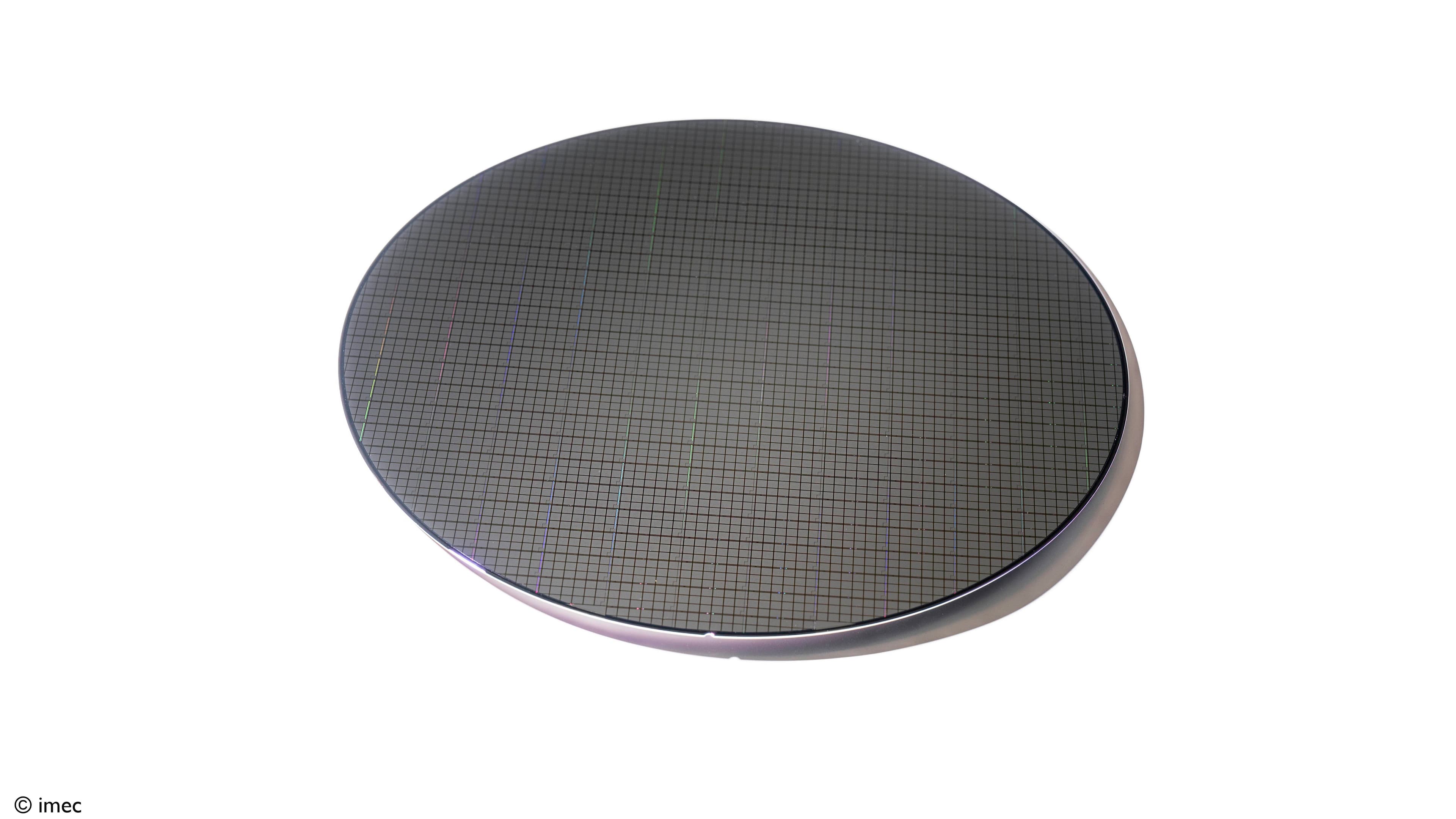
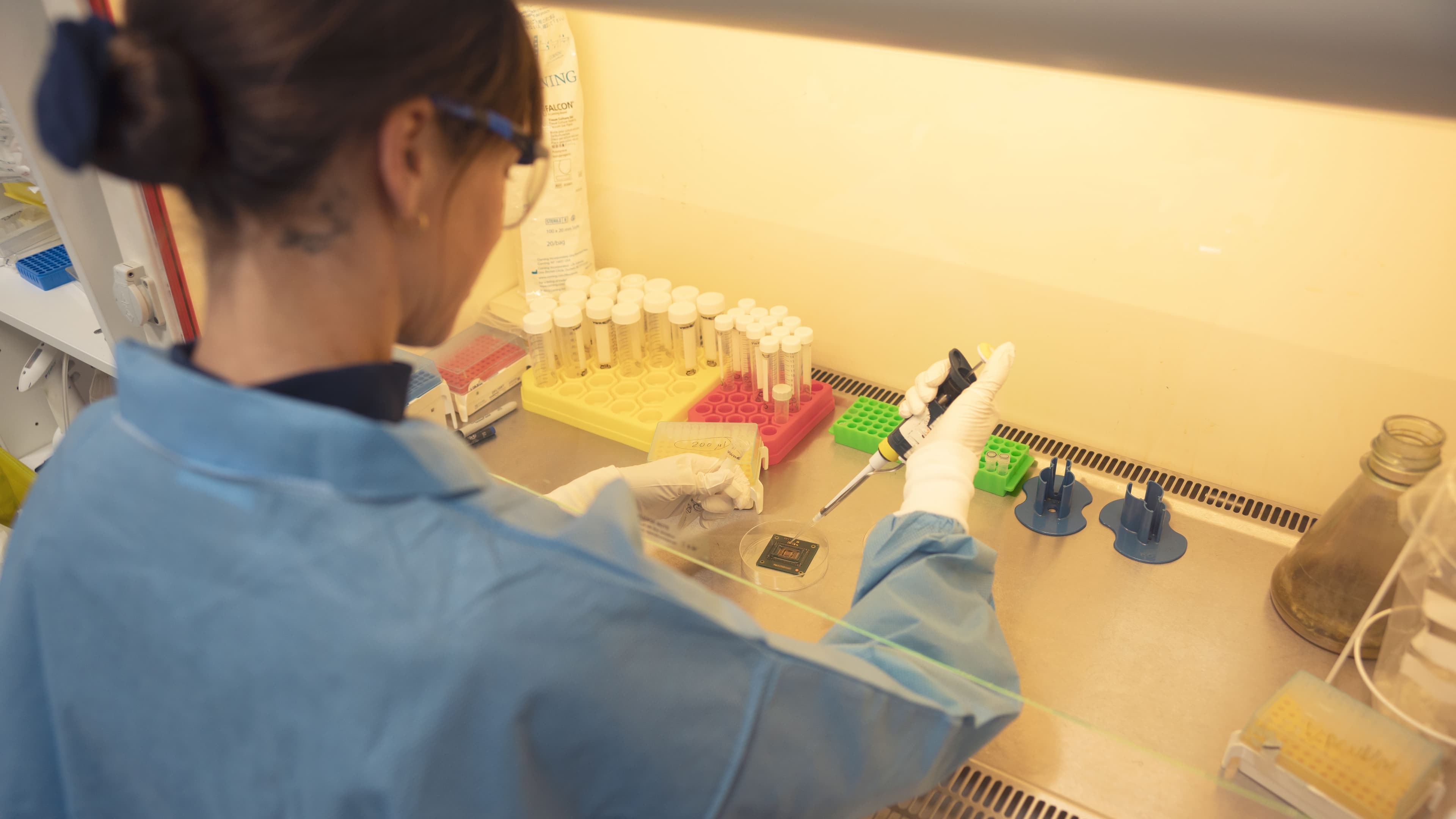
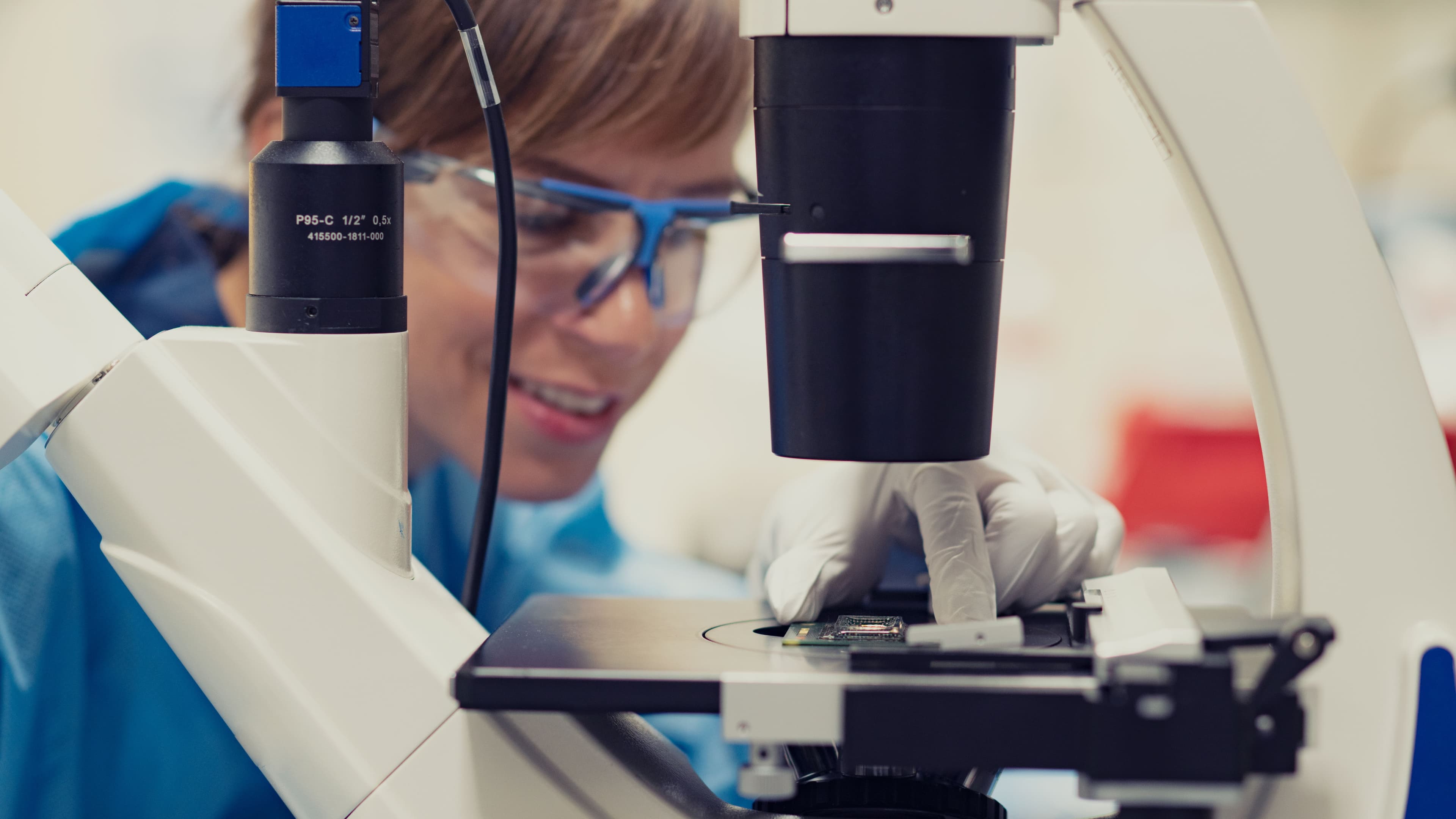
To do dynamic research at the single-cell level, you usually lack the right technology. Thanks to chip technology I can really monitor single cells in dynamic cultures. However, as I am not (yet) a chip designer, I investigate what kind of technology we need to answer certain questions, and then discuss this with the experts at imec.
With the infrastructure and technologies available at imec, I can truly take my research to the next level.
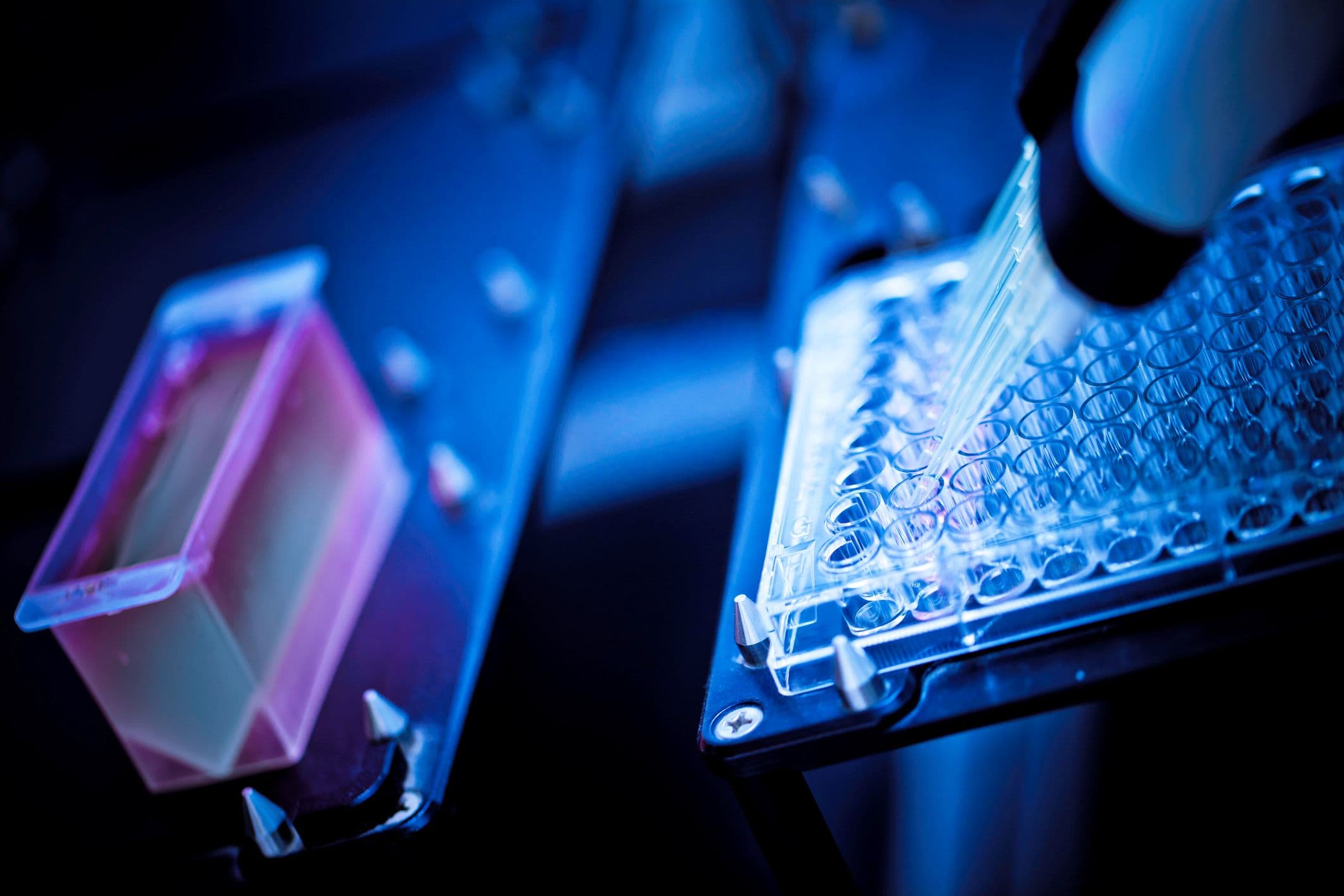
Once I have the right kind of chip, the infrastructure of imec’s life science lab allows me to see how cells interact with each other but also how they respond to different kind of stimuli and stress. For instance, when you add stress to the cell, you can detect that the cell is changing morphology and internal organization, that the cell body is adapting to the new stimuli, and even sends altered signals to other cells. And that is of course beyond fascinating as it enables you to truly understand what is happening. Once you unlock that kind of information, you can tell what kind of diagnostics we might need to detect fibrosis at an early stage in a normal doctor’s office. This way we can develop treatments for early intervention. Because the longer you wait, the more complex, invasive, and expensive treatments you need, which are not available for everybody.
What kind of environment does a researcher need? And do you find it here at imec?
I certainly find it here at imec. I believe you need an environment where people are supportive, but also open-minded to try and do new things instead of just following what they are used to. This is often the case in many laboratories around the world, especially in an academic setting. But here, it’s just very different.
Here at imec, people are genuinely excited about new things and eager to help you succeed.
What I also noticed is that imec is very open to new collaborations. So, I’m currently setting up a collaboration with Charité and the Center for Regenerative Therapies in Berlin, where they have a unique clinical setting, allowing you to work with clinically relevant tissues and cells. That’s very positive, since it helps to leverage the connections to academia. In addition, the relationship imec has with companies is also interesting because we can see how we can use our findings and technologies to help the pharma industry. They show interest in our research, and once we can draw conclusions, they can take over and bring unique solutions to the market. As a fairly junior group leader, I also particularly love the learning opportunities and trainings that help me grow both as a researcher and a team leader. They allow me to develop in parallel with my interdisciplinary team.
Looking ahead, what do you hope to achieve in your research within the imec tenure track program?
I hope to establish clear new research findings that can really help us unravel what’s happening during the early initiation of fibrosis that leads to degenerative diseases, with imec technology. I also aim to leverage available technologies so that we can really show that in-vitro models are not just a hype, but something that can really improve our way of understanding the human body. Artificial Intelligence comes into the picture as well for finding new algorithms, as well as understanding the complex system the human body represents. The CMOS systems create massive amounts of data, so the more complex the system is, the more complex the read-out becomes. Just by me as a researcher looking at the data, it is difficult to draw conclusions. AI becomes very important to elucidate what triggers which effect when you add different kinds of stimuli, which is an exciting evolution.
What message would you like to share with aspiring scientists who want to make a meaningful impact through their research?
I would say “apply for the imec tenure track”. The sky truly is the limit. The imec environment allows you to take your research to the next level. Not just based on technology, but also due to the expertise, open-mindedness and the infrastructure that is provided. Go for it!
Imec welcomes new applications from 02/09/2024 until 31/10/2024:
Learn more about the imec tenure track and the application process.