A sneak peek at next-generation ultrasound imaging
First demonstration of a flat-panel-display compatible ultrasound platform paves the way for large-area and curved surface applications.
In short
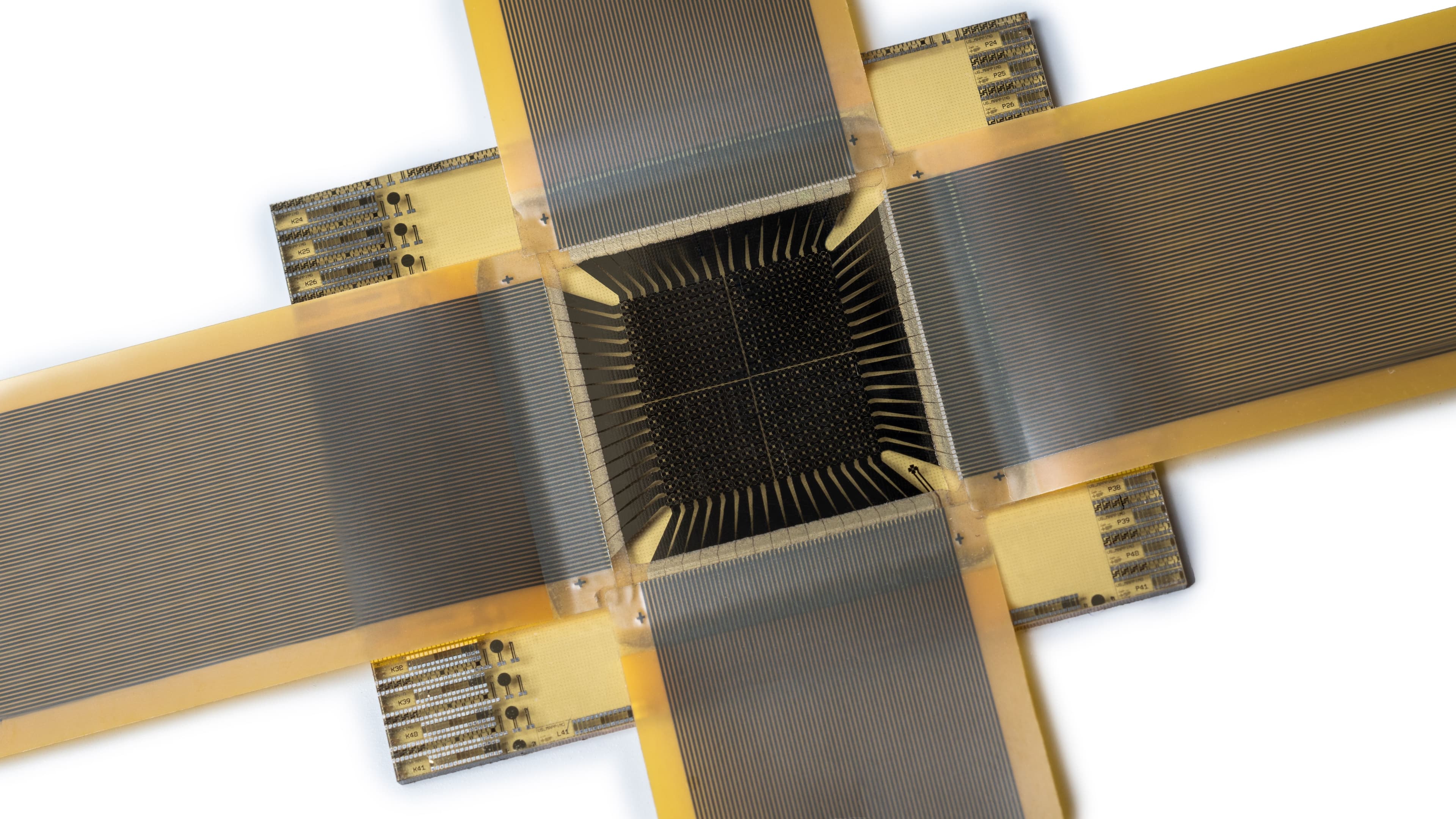
Researchers at imec unveil a groundbreaking second-generation piezoelectric micromachined ultrasound transducer (PMUT) array for ultrasound imaging.
The array, featuring an AlScN piezoelectric layer, achieves impressive image acquisition and beam steering up to 10 cm in water. This advancement paves the way for complex ultrasound applications on curved surfaces, revolutionizing medical imaging and monitoring.
Lastly, imec’s collaboration with Pulsify Medical brings non-invasive, physician-free cardiac monitoring a step closer to reality.
Advancements in ultrasound imaging
The use of sound waves for non-invasively visualizing a fetus in the womb, via ultrasound imaging, is widely recognized. By emitting high-frequency sound waves into the body and converting their echo into electrical signals, real-time images can be constructed. Apart from medical imaging, these sound waves find application in biometric identification, gesture recognition (e.g., in automotive and VR applications) and various other fields.
Currently, ultrasound transducers are commonly produced using silicon semiconductor facilities. For high-resolution medical imaging with large-area coverage, large sensors are required, which is challenging for silicon-based sensors because of their high cost per mm2.
PMUT arrays enable large-area imaging
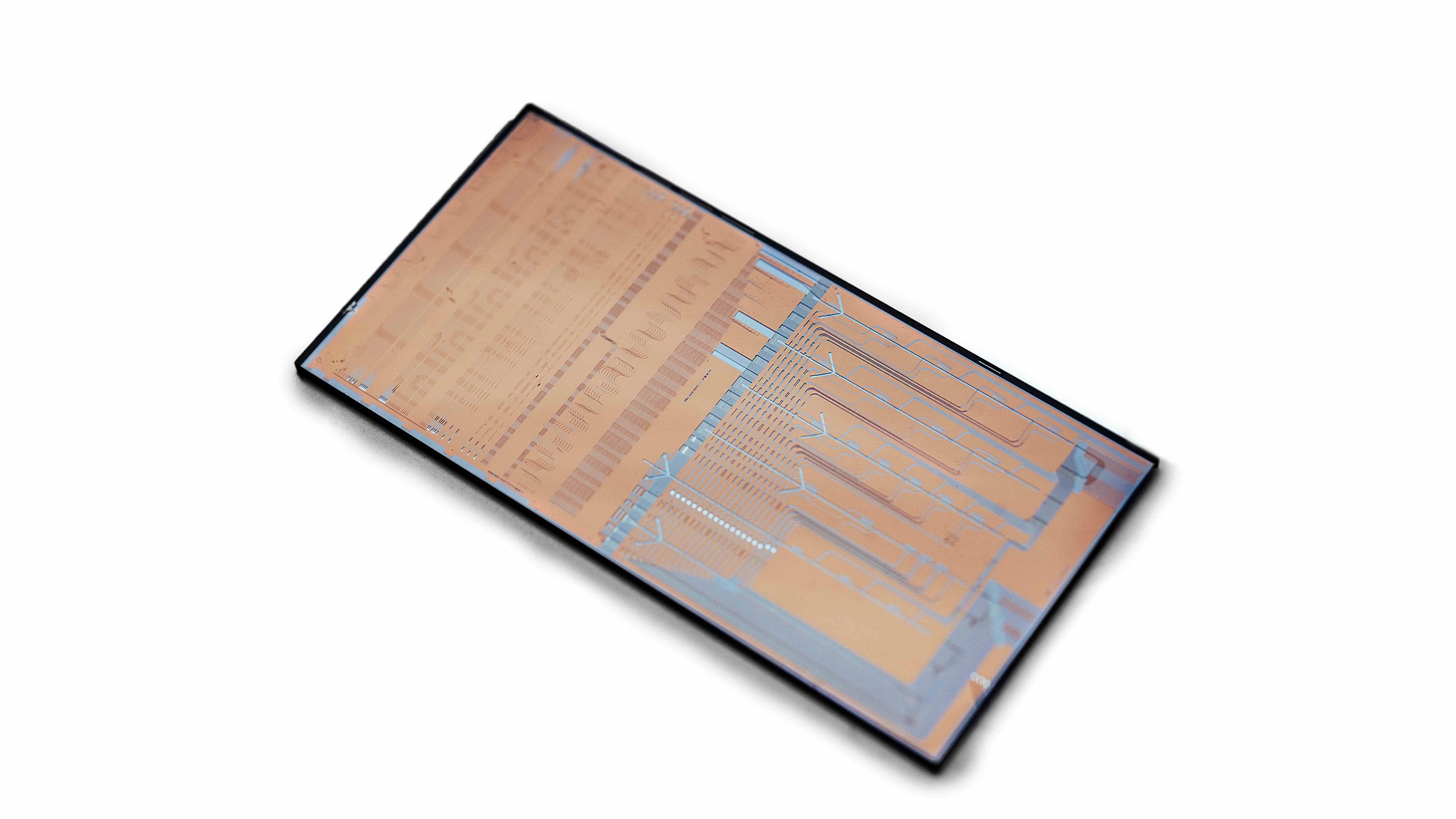
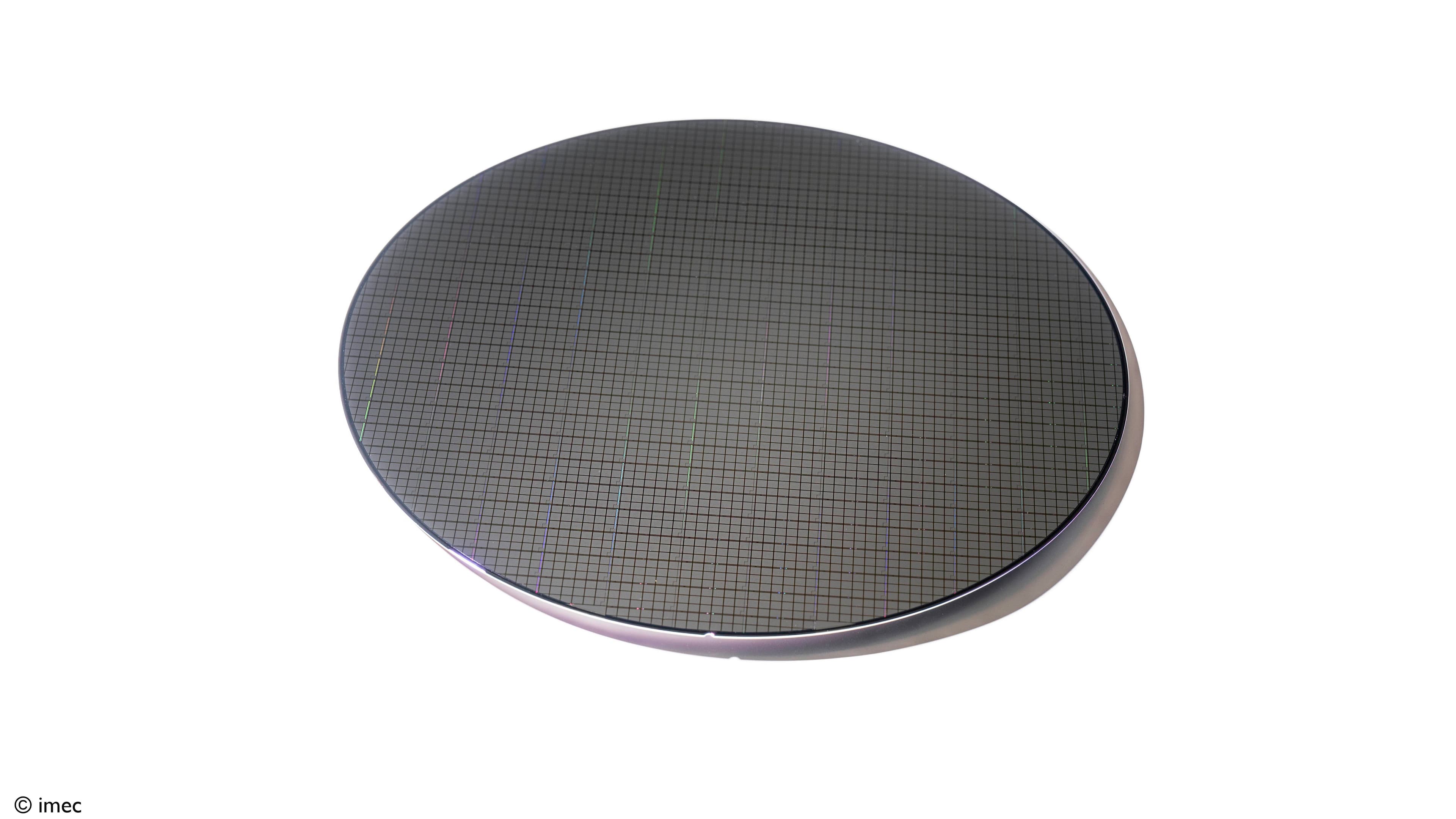
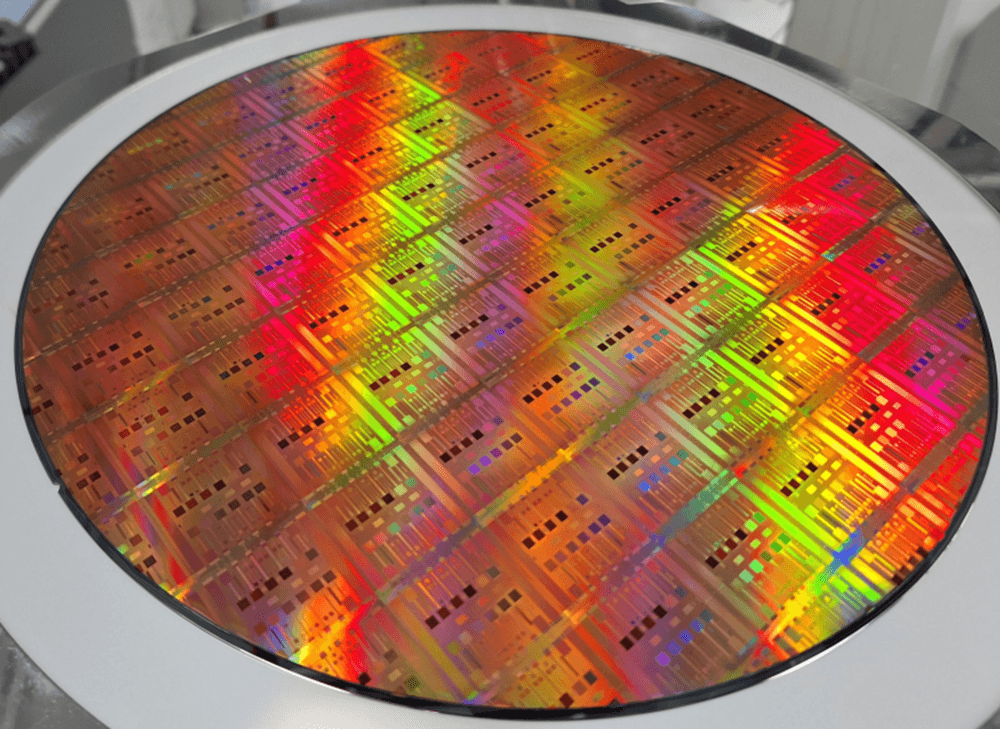
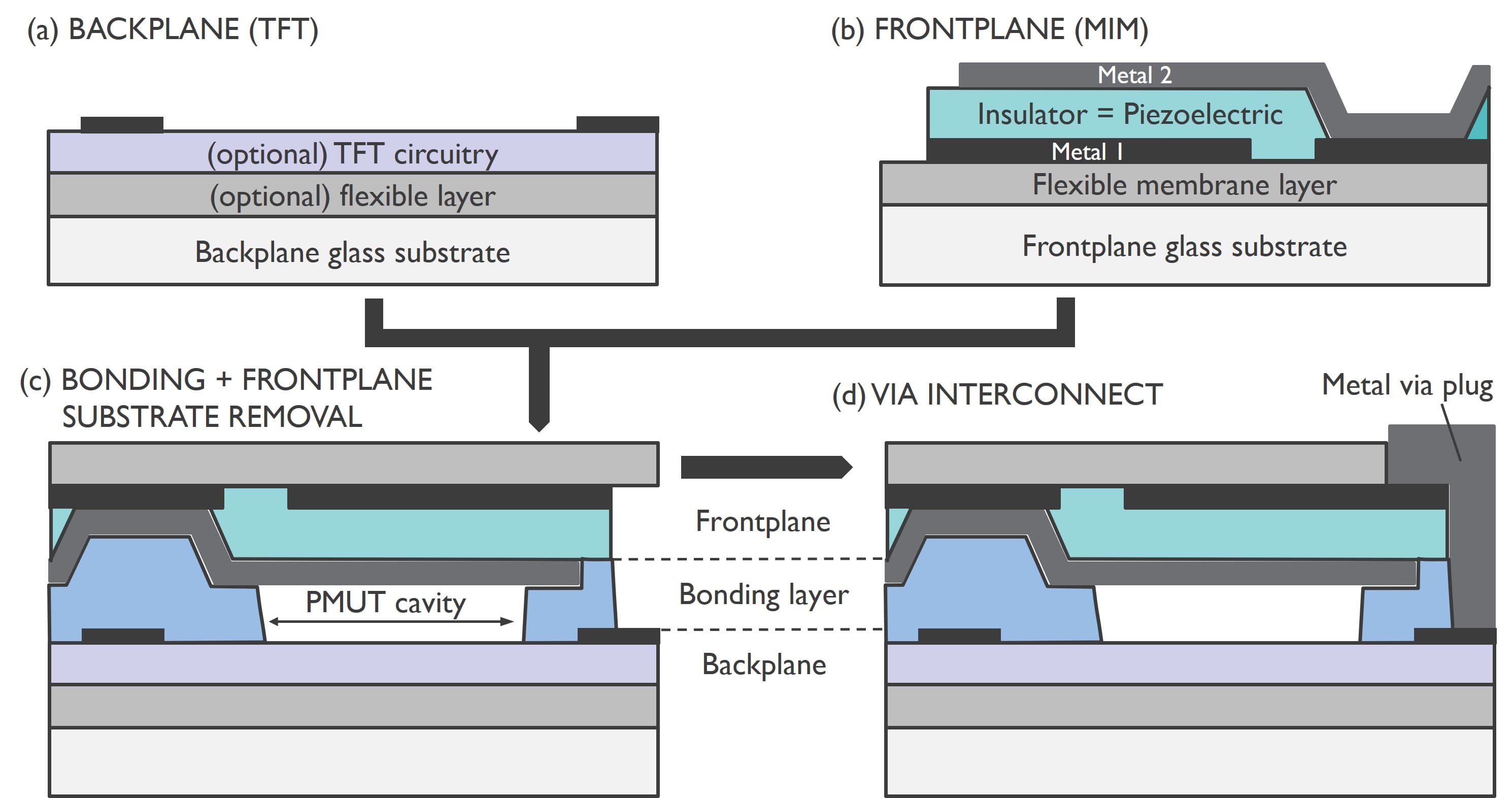
In 2021, imec introduced flat-panel-display (FPD) compatible piezoelectric micromachined ultrasound transducer (PMUT) arrays on glass. As a result of moving from wafer-based to FPD-compatible processes, cost-effective upscaling of ultrasound sensors was made possible. More specifically, due to its compatibility with existing thin-film transistor backplanes and because this transducer technology is not hampered by wafer-size restrictions, large-area processing capabilities with PMUT arrays were made possible. However, the performance of the polymeric piezoelectric material was not yet sufficient for high-quality medical imaging.
Now, imec demonstrated a second generation PMUT array with another piezoelectrical material, namely AlScN. “With the earlier implementation of a glass substrate instead of a crystalline silicon one, area restrictions were lifted. This next generation PMUT array additionally exhibited ten times the acoustic pressure compared to the previous generation” explained Epimitheas Georgitzikis, imec R&D project leader of ‘Listen2Future’. Image acquisition up to 10 cm distance was shown, with pressures above 7 kPa in water, making it suitable for high-performing ultrasound imaging.
Prospects for flexible ultrasound imaging
“Next steps include maturing the technology and tuning the device to specific frequencies. In doing so, this technology will enable large ultrasound arrays on for instance curved surfaces, such as sensors for the human body or car dashboards, facilitating integration of ultrasound functions on large non-planar surfaces. As a result, exciting opportunities for innovative ultrasound applications will emerge,” says Erwin Hijzen, imec program director MEMS Ultrasound.
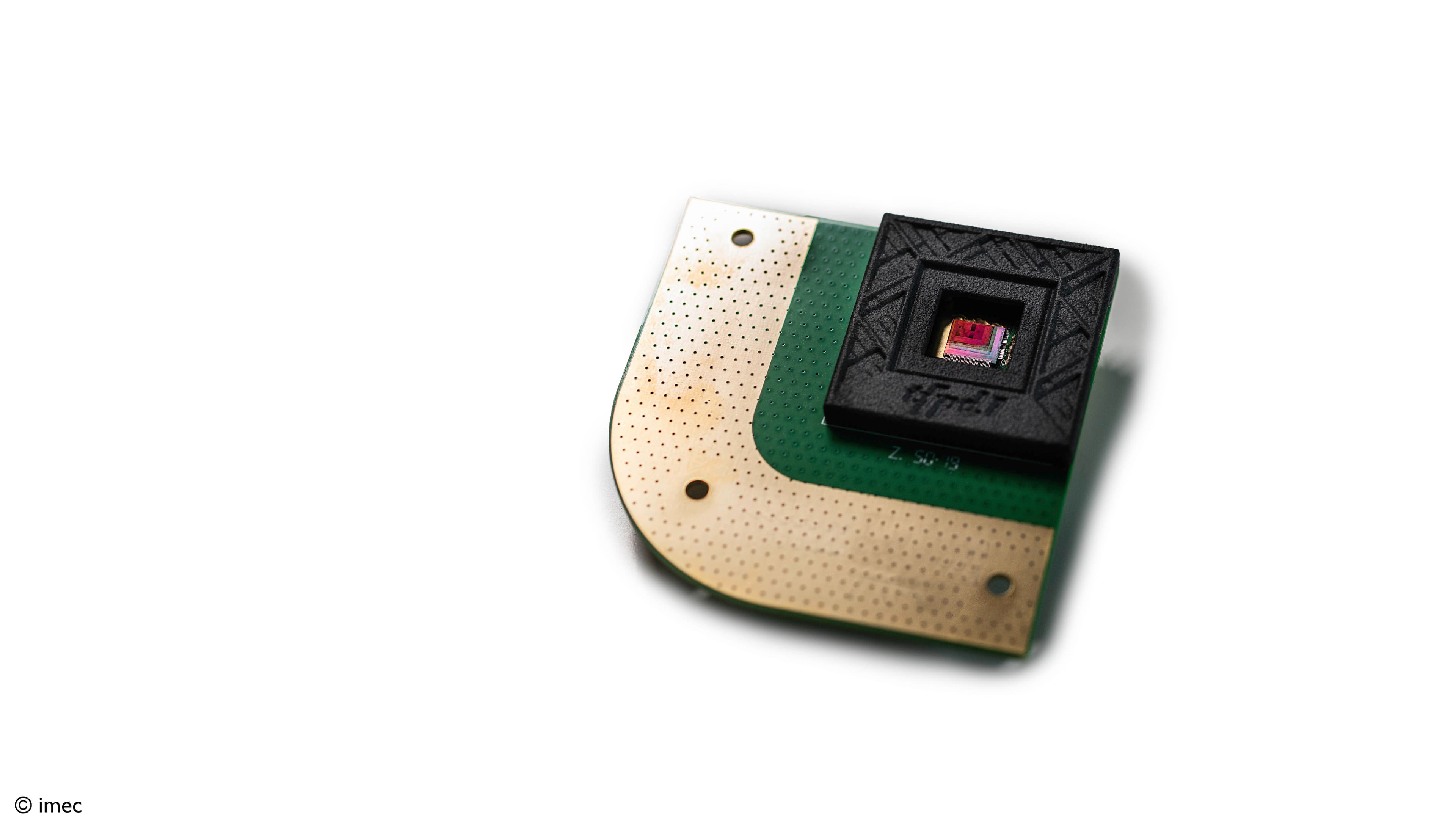
In collaboration with Pulsify Medical, imec already created a proof-of-concept rigid medical patch for cardiac monitoring, paving the way for non-invasive and longitudinal monitoring outside hospitals, without the need for a physician. As part of the EU-funded project ‘Listen2Future’, further development of a flexible ultrasound patch is ongoing.
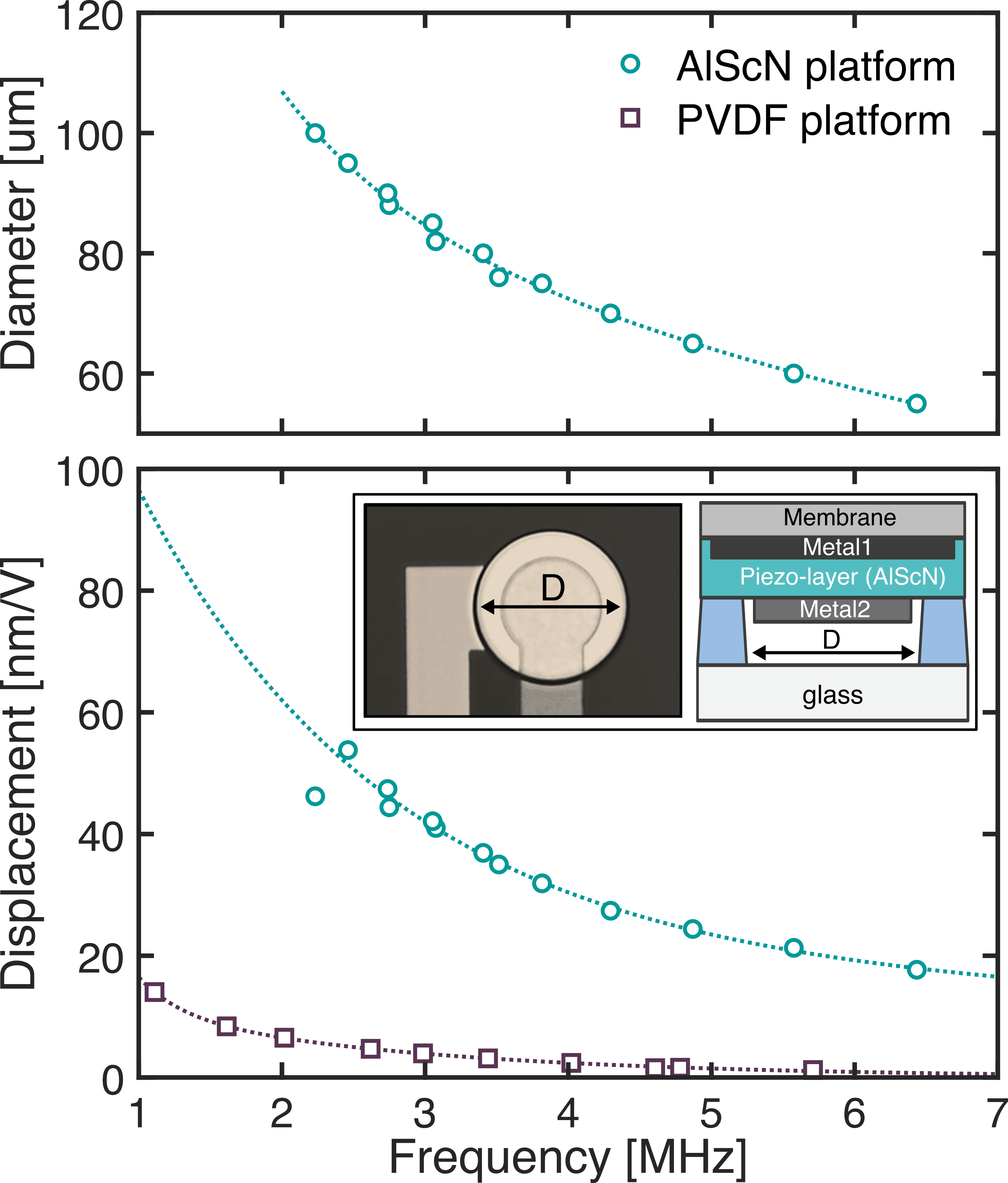
The findings are described in ‘A flat-panel-display compatible ultrasound platform’, which was presented at The Society for Information Display’s DisplayWeek 2023. Listen2future is an EU-funded project addressing and benchmarking piezoelectric acoustic transducers with 27 partners across seven countries, coordinated by Infineon Technology Austria AG.
This article was published earlier in EDN.
Authors

Erwin Hijzen
dr. Erwin Hijzen obtained his Ph.D. degree in Applied Physics from Delft University of Technology in 1995. Since then, he has held several positions in R&D and Innovation at both Philips and NXP Semiconductors, working across a variety of fields in semiconductors. In 2022, Erwin joined imec as the Director of the MEMS Ultrasound program.
Epimitheas Georgitzikis
dr. Epimitheas Georgitzikis received the M.S. degree in electrical and computer engineering, with a focus on electronics and computer engineering, from Aristotle University of Thessaloniki, Greece in 2015 and his Ph.D. degree in electrical engineering from KU Leuven, Belgium, in 2021. He joined imec in 2016 as a researcher working on novel thin-film based image sensor technologies and ultrasound transducers. He is currently imec R&D team leader in the “Mechanical Processing Sense and Accurate Technologies” group, developing large-area ultrasound sensors and actuators and large-area microfluidics.