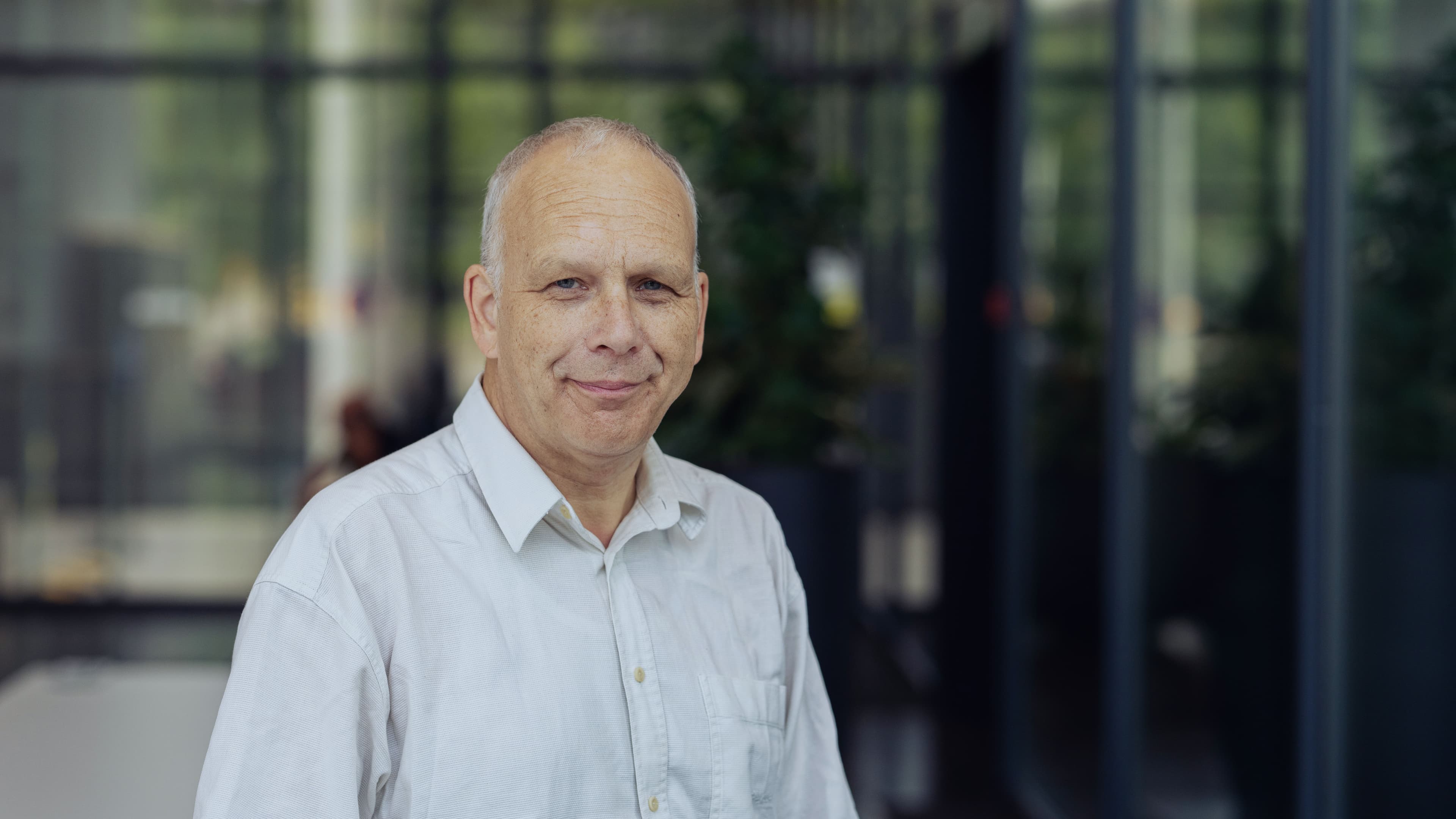
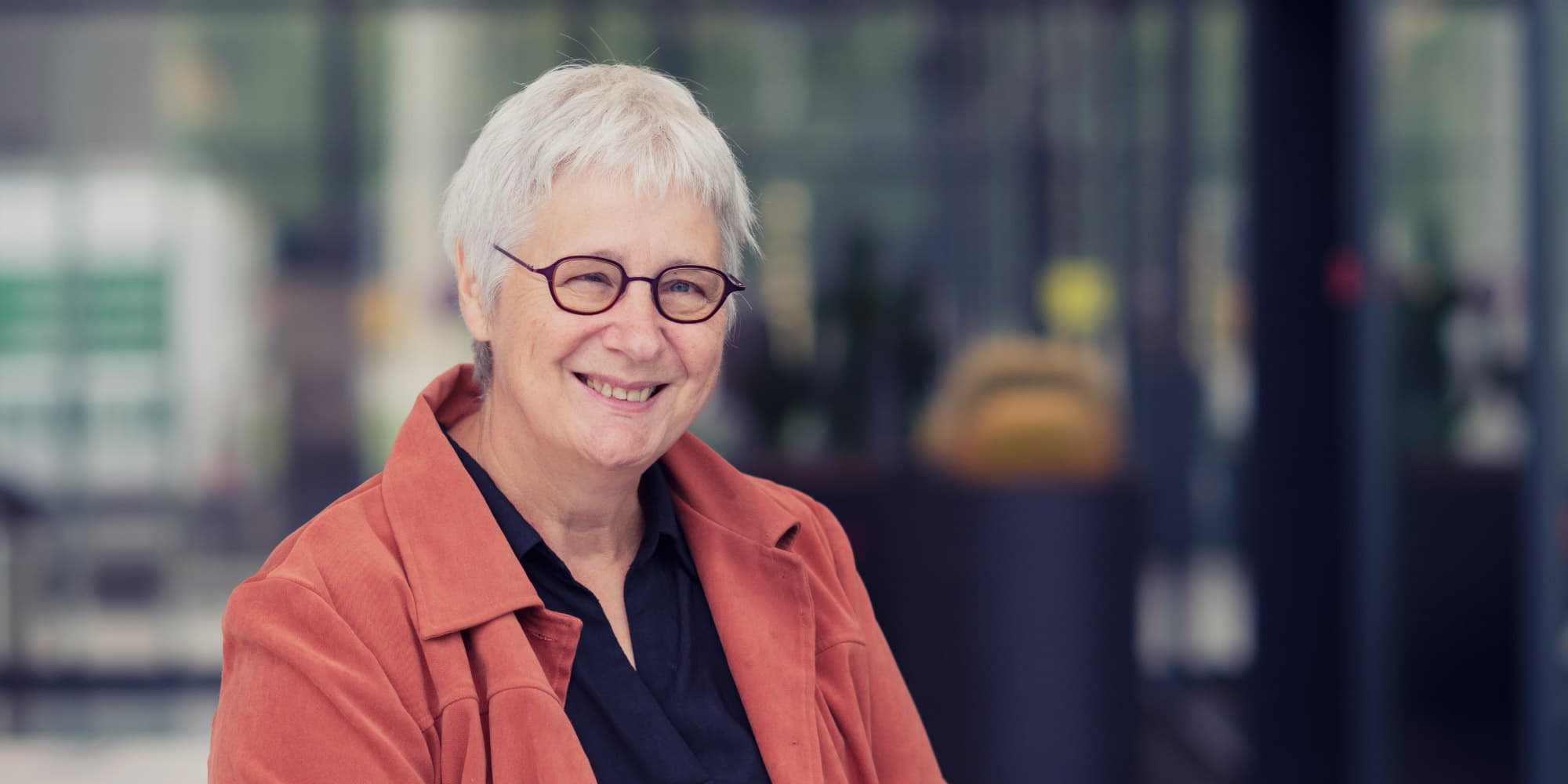
Meet imec fellow Ingrid De Wolf
Ingrid De Wolf has retired at imec.
In short
- Obtained a PhD in physics 1989
- Joined imec in 1989
- Founded imec’s reliability group REMO
- Assumed role of scientific director in 2018
- Was named imec fellow in 2020
- Active at KU Leuven since 2007 (now professor and program director of the master in nanotechnology)
Ingrid’s highlights
When asked about career highlights, Ingrid enthusiastically sums up an extensive list. “Having the opportunity to start at imec is a highlight on its own. After obtaining my PhD, I had to choose between starting a postdoc in Germany or beginning at imec. I’m happy to have chosen the latter. Doing research at imec has been a nice adventure.”
“As a second highlight, I was given the chance to start a group at imec focusing on reliability of packaging and MEMS. We began with two technicians and one PhD student, but over the years we grew into a cohesive group of around 40 people, creating a lot of impact.”
One of the research areas in which Ingrid excels, is Raman spectroscopy. “I started working on Raman spectroscopy to study mechanical stress induced in the silicon by processing. One of my papers on the topic got more than 1,200 citations. At a certain moment, one of my Japanese colleagues started calling me the queen of Raman,” she recalls.
A fourth highlight is her appointment at the KU Leuven as part-time professor in 2007. “That allowed me to be promotor of many PhD students in various research domains. They helped me to broaden my knowledge and make many nice and valuable contacts at the university. Thanks to this, I was asked to become a member of two Flemish researchers’ expertise panels - one of them being the interdisciplinary panel. That invitation was especially rewarding because I feel that one of my strengths is my interdisciplinary knowledge.”
Mountaineering, problem solving, and educating
Ingrid doesn’t only have broad expertise, but also broad interests. “My biggest passion is being in the mountains. I did a lot of mountain climbing and I still love to travel to the mountains. For me, mountaineering isn’t so much about reaching the top. It’s about enjoying and solving how you can reach the top in a team. You must figure out what your next step is to get moving on.”
Ingrid’s approach to mountaineering forms a strong metaphor for how she approaches research. “I’m passionate about research, figuring out the hows, and understanding and solving problems. For me, research is about digging into something and trying out different approaches to find solutions to issues. And, preferably by combining expertise from various techniques and areas.”
Finally, being able to bring her expertise to others is also a driver. “I’m very enthusiastic while teaching. I like convincing people about the fun and beauty of research. I like to work with students, and it’s nice to see that they get positively influenced by my enthusiasm.”
A message to young researchers
Ingrid advises aspiring researchers to think out of the box. “Don’t simply do what people ask you to do; think further, try crazy, not standard things. If those crazy ideas don’t work, try others! Dare to go beyond the usual path.”
“Secondly, it’s important to involve the colleagues you’re working with in your research. Not only researchers, also operators and technicians. Explain what you do and talk to them, because they’re clever people that can help you to move forward. In sum, collaboration can help you grow together with the team around you.”
Thirdly, she’s convinced that it’s important to acknowledge the colleagues you work with. “Be honest with each other and acknowledge each other. When I said I was called the queen of Raman, I must actually give credit to the technician who did many of the measurements for me. She is the real queen.”
Her final bit of advice comes from a field distant from technology. “When doing research, it’s important to think about what you do and understand why you do it. Don’t do – what I call – cooking book research: adding a bit of salt or pepper without thinking and see whether the taste improves. No, you should understand why adding salt or pepper will make the taste better. Never stop thinking.”
Authors
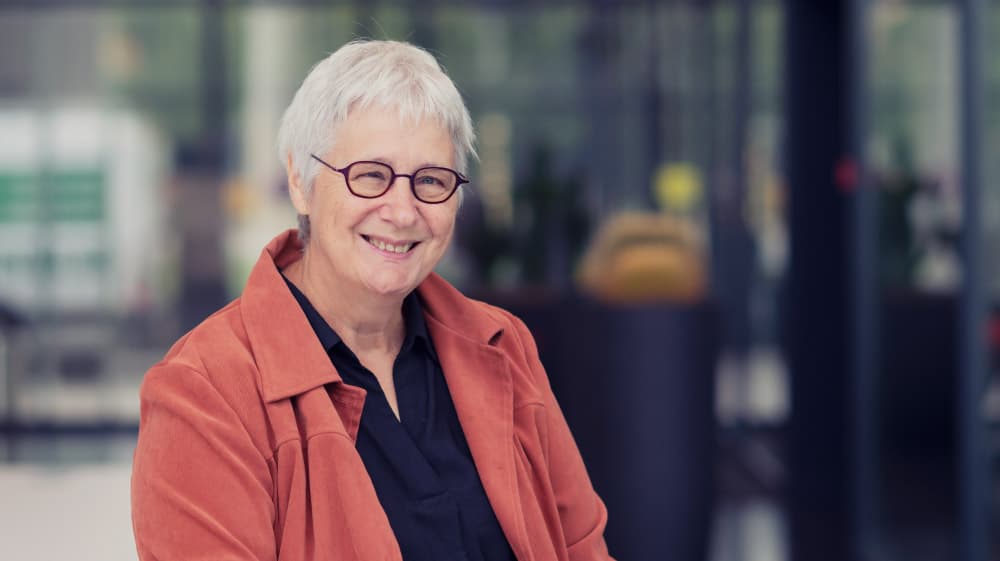
Ingrid De Wolf
Ingrid De Wolf joined imec in 1989. Her initial research focus was on applying Raman spectroscopy for local mechanical stress measurements, later extending towards reliability. In 1999, she got the opportunity to start a new reliability group that initially focused on MEMS and packaging. The scope was later broadened to interconnect, 3D, and OIO reliability. Additionally, the group specialized in a variety of research areas, for example finite element modeling (FEM) and material analysis. In her profound career, she has greatly contributed to imec’s growth by, among others, establishing six labs and introducing various innovative analysis tools. While she strengthened many imec research domains, she endeavored to generate an impact beyond the imec walls. As such, she has instigated deep collaborations and active interactions with research institutes, universities, and the microelectronics industry. She also spent great effort in guiding KU Leuven PhD students at imec.
Discover more