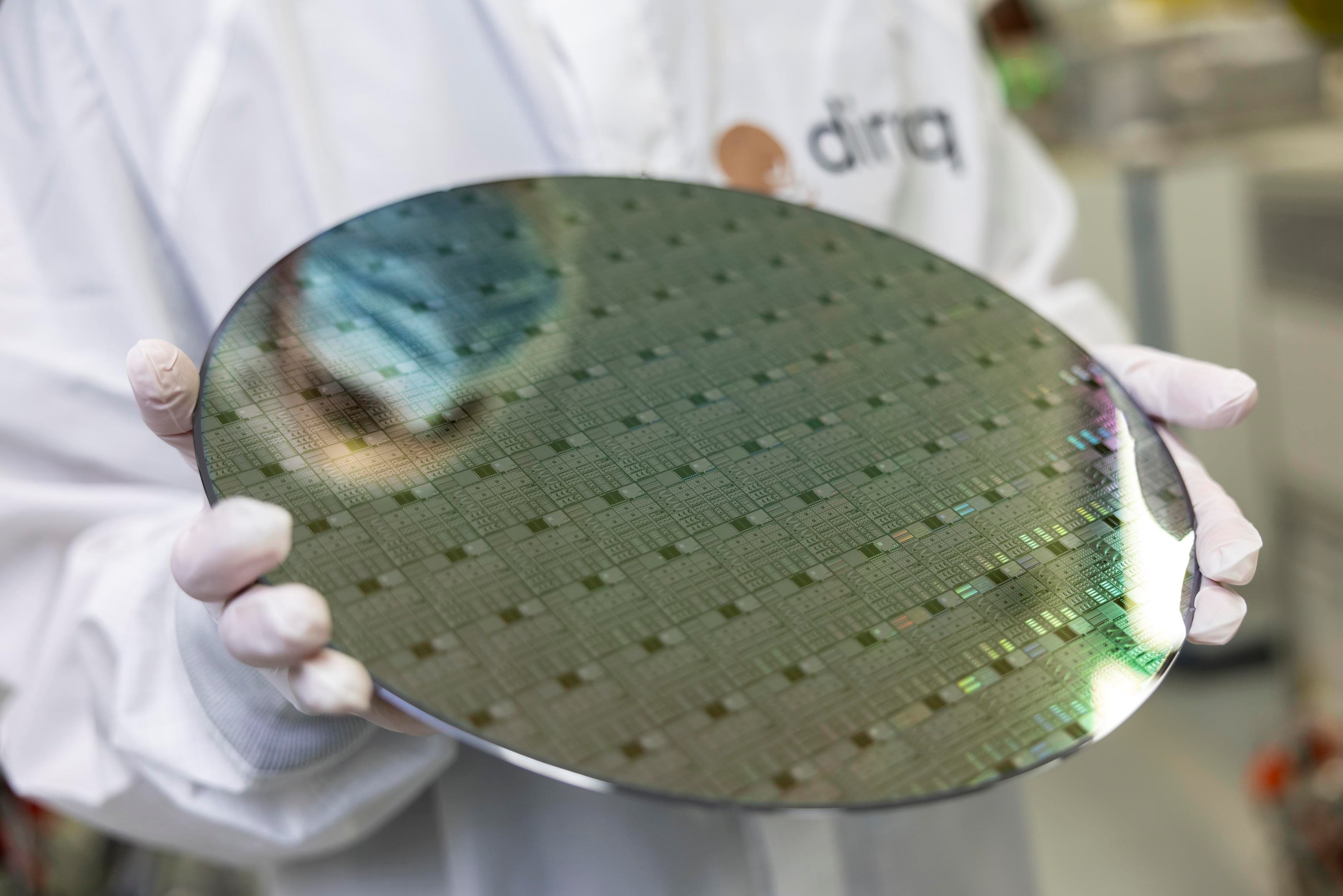
About qubits and quantum circuits

Quantum computers are receiving attention from major research labs across the globe because of their potential to far exceed modern computing power and solve complex problems like pharmaceutical discovery, logistics, enhance machine learning and others. But before quantum computing can tackle intricate problems, more research is needed to develop scalable and stable qubits and cryo-electronics. Imec is contributing to this effort by enabling technology for quantum computing with semiconductor and superconductor-based qubits, and the design of custom circuits adapted to cryotemperatures.
The race for quantum computing
The race is on to devise the first useful quantum computer because of its promise to deliver a phenomenal speedup in processing power compared to modern computers. Towards this end, research groups from all over the world are designing the qubits, circuitry and cryogenics that are needed to make quantum computing a reality. Though the first quantum computers have already made an appearance in Google’s 53-qubit machine, the full potential of quantum computing has not been achieved yet. There are still many challenges to be addressed which include achieving stable qubits at high volumes, building the control circuitry around those qubits, and making all parts work at nearly absolute zero temperatures.
Iuliana Radu, program director of quantum and exploratory computing at imec, explains: “Building on our extensive expertise in high-precision process development and the ability to run integrated device-fabrication flows combined with device design and modeling, imec is well-placed to tackle some of the most pressing R&D challenges in quantum computing. Our quantum activities are focused on enabling large scale qubit fabrication, performance improvement and reduction of qubit variability. Moreover, we are working on cryo-electronics and 3D integration and packaging dedicated to cryo-components.”
Addressing variability in qubits
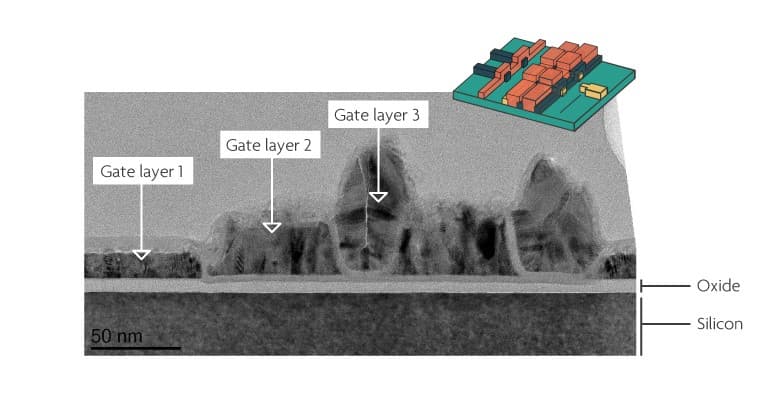
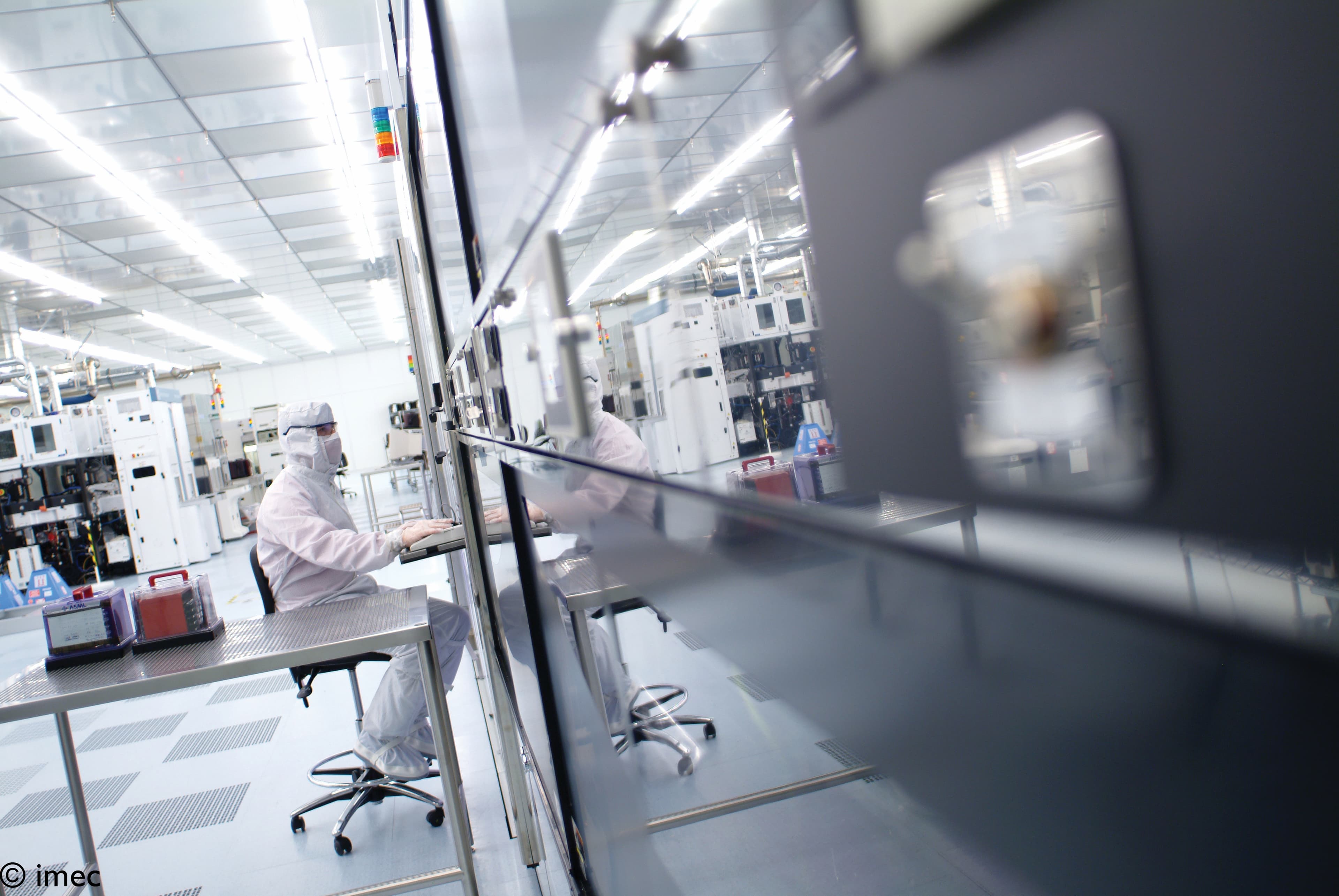
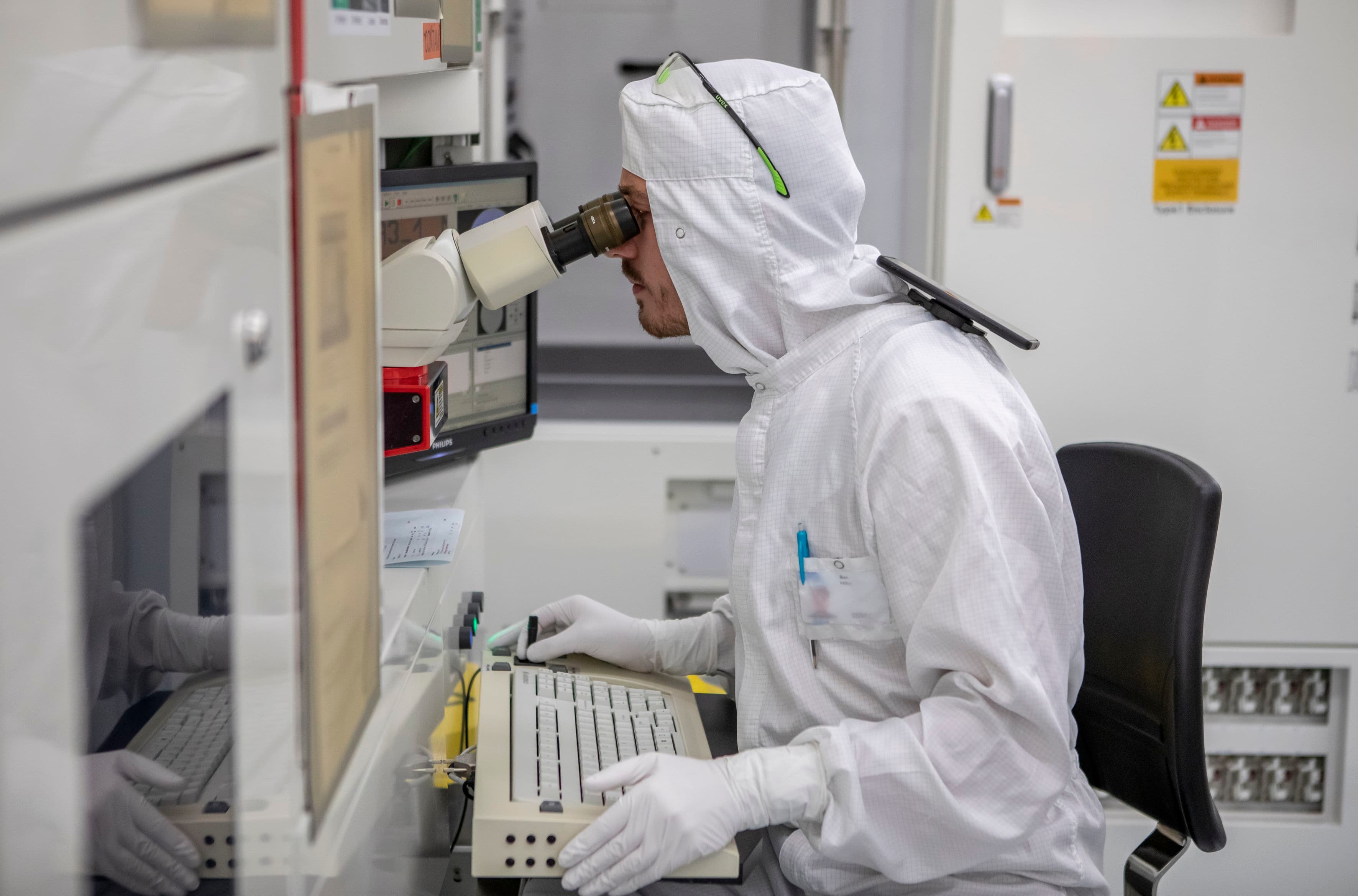
An important prerequisite for building a useful quantum computer is having enough stable qubits working together. Millions of high-quality qubits are required for the most promising applications. While the goal is to have uniform qubits that function with high accuracy, right now, qubits display large variability, so many are needed to compensate for error generation. By moving the qubits to a 300mm fab, imec can offer the increased precision needed for certain process steps to obtain improved standardization and uniformity.
Superconducting and semiconducting qubits
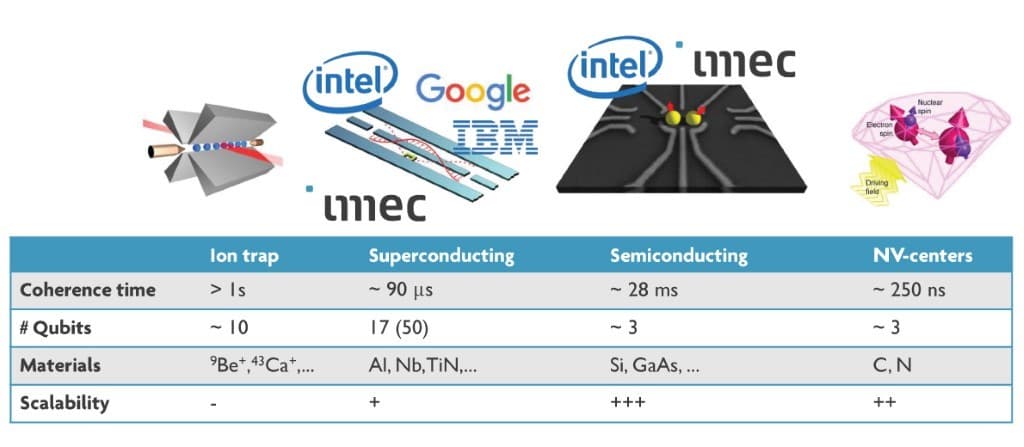
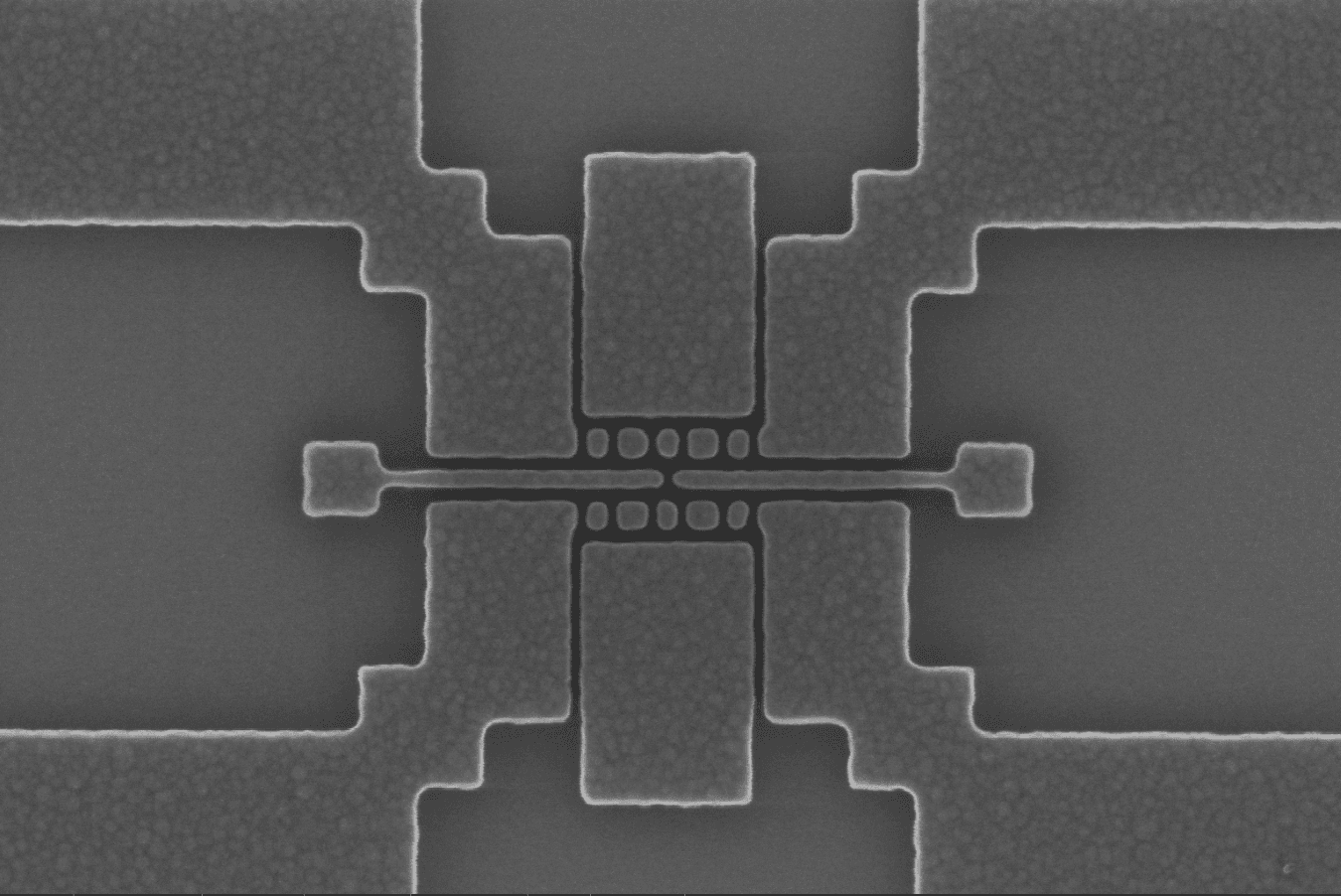
Imec works on two types of qubits: semiconducting and superconducting. Both are compatible with CMOS fabrication and co-integration into classical circuitry. “We have the first qubit demonstrations from both platforms and are now focusing on improving performance and reducing variability,” said Iuliana Radu.
Today’s demonstrators, such as the Google quantum computer, run on superconducting qubits. These are easier to fabricate, and so far, their variability is lower. They are also very easy to entangle from one qubit to the next. However, superconductor devices are large— in the order of mm2. As a result, they are less feasible to be integrated into systems running on millions of qubits.”
“Semiconducting spin qubits in silicon, on the other hand, are extremely small, more complicated to build and typically show higher variability. On the positive side, they do have scaling potential. The semiconductor qubits might, therefore, be the best option if we find a way to control their variability. If not, we need to come up with smart ways to scale superconducting qubits. At some point one of the qubit types will stand out but for now, it is still unclear which one,” according to Radu.
Plain silicon qubits
Nard Dumoulin Stuyck, a PhD student in the quantum devices group at imec, focuses on semiconductor qubits: "Our goal is to develop a mature and scalable qubit technology to enable the high volumes that the industry is looking for."
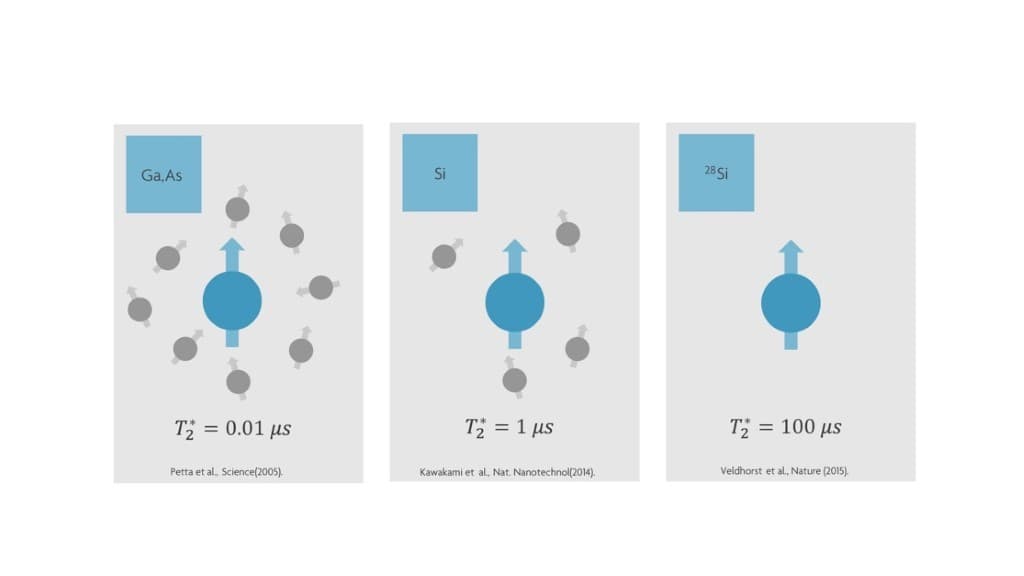
Stuyck says that silicon and silicon oxide have a number of specific advantages in that sense: “First of all, they are compatible with current chip technology, so we can draw on massive experience and leverage well-established processes to enable high volume manufacturing. Second, silicon has an intrinsic advantage compared to other commonly used materials such as III/V materials. Whereas III/V materials contain nuclear spins, reacting with the electron spin of the qubit, silicon and silicon oxide have no nuclear spin, and are thus more easily controlled.”
Driving qubits on a path with many obstacles
Iuliana Radu: “In contrast to transistors, where millions of them are practically identical, qubits feature large variations, with each significantly different from the next. This means that when building a quantum computer, we have to build the custom drive and read-out circuitry for each qubit, resulting in explosive growth in the number of periphery elements. This is actually one of the main limiters today, and likely the reason why Google’s and IBM’s quantum computers have only 53 qubits.”
Temperature poses another challenge. Since qubits cannot be controlled at room temperature, they need to be cooled down to almost absolute zero. To reach such extremely low temperatures, they must be kept in cryogenics, and any drive circuitry also needs to operate at these extremely low temperatures in the confined space of a refrigerator. According to Radu, “Device modules and transistors display different properties at temperatures between 10 to 100mK. Additionally, every metal line in the refrigerator takes up valuable space and brings in heat and noise that disturb the qubits. At imec, we are characterizing, modeling, and understanding the physics, and designing the transistor devices for these extreme circumstances.”
Step by step and qubit by qubit
Imec is now working on the circuits for superconducting qubits which have shorter fabrication flow and hence are easier to optimize. For comparison, it takes about 60 steps in the fab to fabricate superconducting qubits, but to fabricate the semiconducting spin qubits it takes about 250 to 300 steps. “However,” Iuliana Radu says, “at this stage nothing is easy. It’s a matter of research to mitigate the problems. It is our goal to optimize the qubits and the circuitry in the next three to four years. After that, I expect to see an increased qubit performance and demonstration of logical qubits.”
Want to know more?
- More information about imec's quantum computing activities can be found here.
- Interested in a PhD at imec? Read more about it on the website.
Authors
Iuliana Radu
Iuliana Radu is program director at imec, where she is leading the beyond CMOS and quantum computing activities. Prior to joining the logic program at imec in 2013, she was a Marie Curie and FWO fellow at KU Leuven and imec. Her work at imec and KU Leuven includes devices using the metal-to-insulator transition, ionic and electronic transport in functional oxides and devices with graphene and other 2D materials. Iuliana has received a PhD in physics from MIT in 2009 where she worked on the fractional quantum Hall effect and searched for non-abelian quasiparticles.

Nard Dumoulin Stuyck
After obtaining his Bachelor in Physics at KU Leuven, Nard Dumoulin Stuyck earned a Master's degree in Nanophysics in 2017 through the Erasmus Mundus program at KU Leuven and the University of Grenoble. He decided to continue working in the field of quantum computing by starting a PhD on semiconductor silicon spin qubit devices in 2017. After receiving the FWO-SB grant in 2018, he currently continues working on it in imec, Leuven.
Discover more
Imec and Diraq demonstrate first coherent operation of eight silicon MOS spin qubits fabricated in a 300mm CMOS-compatible foundry process
Read more
Anton Potočnik receives prestigious ERC Consolidator Grant to enable scalable superconducting quantum computers with qubit readout at near absolute zero (milliKelvin) temperatures
Read more