Liesbet Lagae
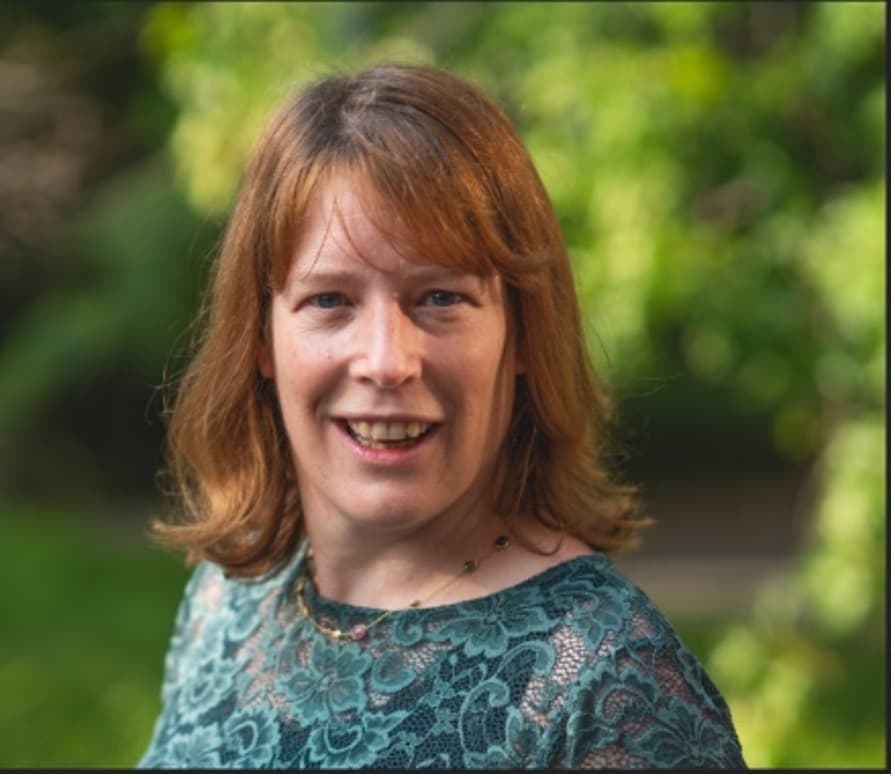
Liesbet Lagae is imec Fellow and co-founder and Program Director of the Life Science Technologies in imec. In this role, she oversees the emerging R&D, the public funded activities and early business creation. She holds a PhD degree from the KU Leuven, Belgium for her work on Magnetic Random Access Memories. As a young group leader, she has initiated the field of molecular and cellular biochips leveraging silicon technologies at imec, Belgium. The life science program has grown from emerging activities to a mature business line that provides smart silicon chip solutions to the life science industry. Applications include medical diagnostics, point-of-care solutions, DNA sequencing, cytometry, bioreactors, neuroprobes, implants. She holds a prestigious ERC consolidator grant for developing a platform on single cell analysis and sorting. She has (co-) authored 125 peer-reviewed papers in international journals and holds 15 patents in the field. She is also part-time professor in nanobiotechnology at KU Leuven/Physics department.
Authored articles
Cytometry chip supports new revolution in cancer care
Bringing immune monitoring to clinical practice for a truly personalized cancer treatment plan.
Read more
Meet imec fellow Liesbet Lagae
“You can make things happen by working just a little bit harder, day by day.”
Read more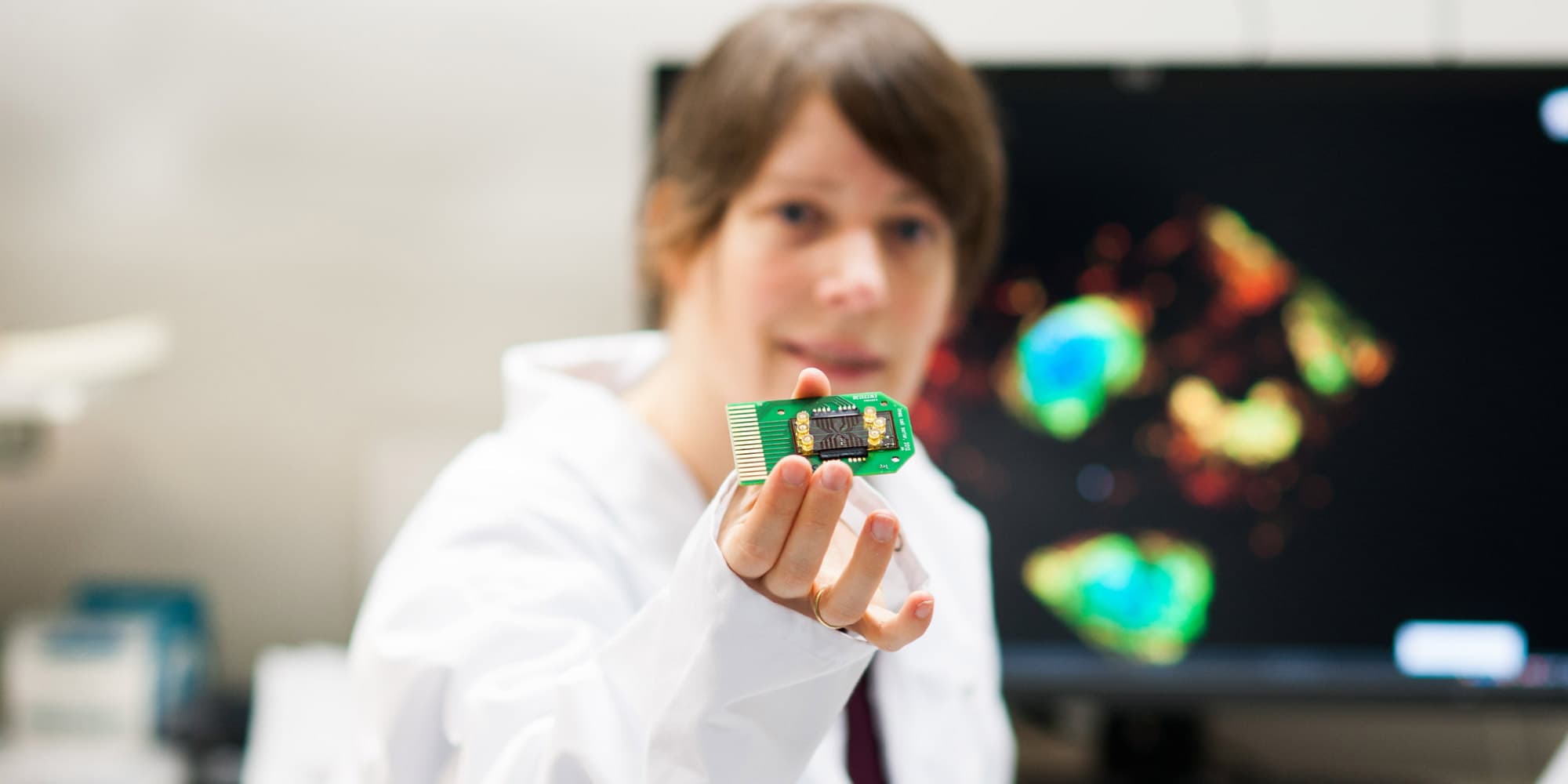
AI and nanotechnology could make cancer cell therapy affordable for all
The solution to democratize personalized cell therapies lies in automating their manufacturing process, which would reduce the cost, time, and risks significantly.
Read more
Five semiconductor-based concepts that will revolutionize DNA sequencing
Cross-fertilization between disciplines has proven to be the secret ingredient for many great innovations. What if we would merge the semiconductor and the sequencing world?
Read more
Pharma and nanoelectronics: a growing love story
An expert opinion on the potential for the pharma industry to benefit more from the state-of-the art in technology.
Read more
Immunotherapy: beyond the promises
On an almost regular basis, headlines report a "revolutionary" breakthrough in cancer research. At the same time, our relatives - often far too young - continue to die from this terrible disease. Can technology make a difference? On World Cancer Day, Liesbet Lagae gives her vision on the facts versus the promises in her research domain of life science technologies.
Read more
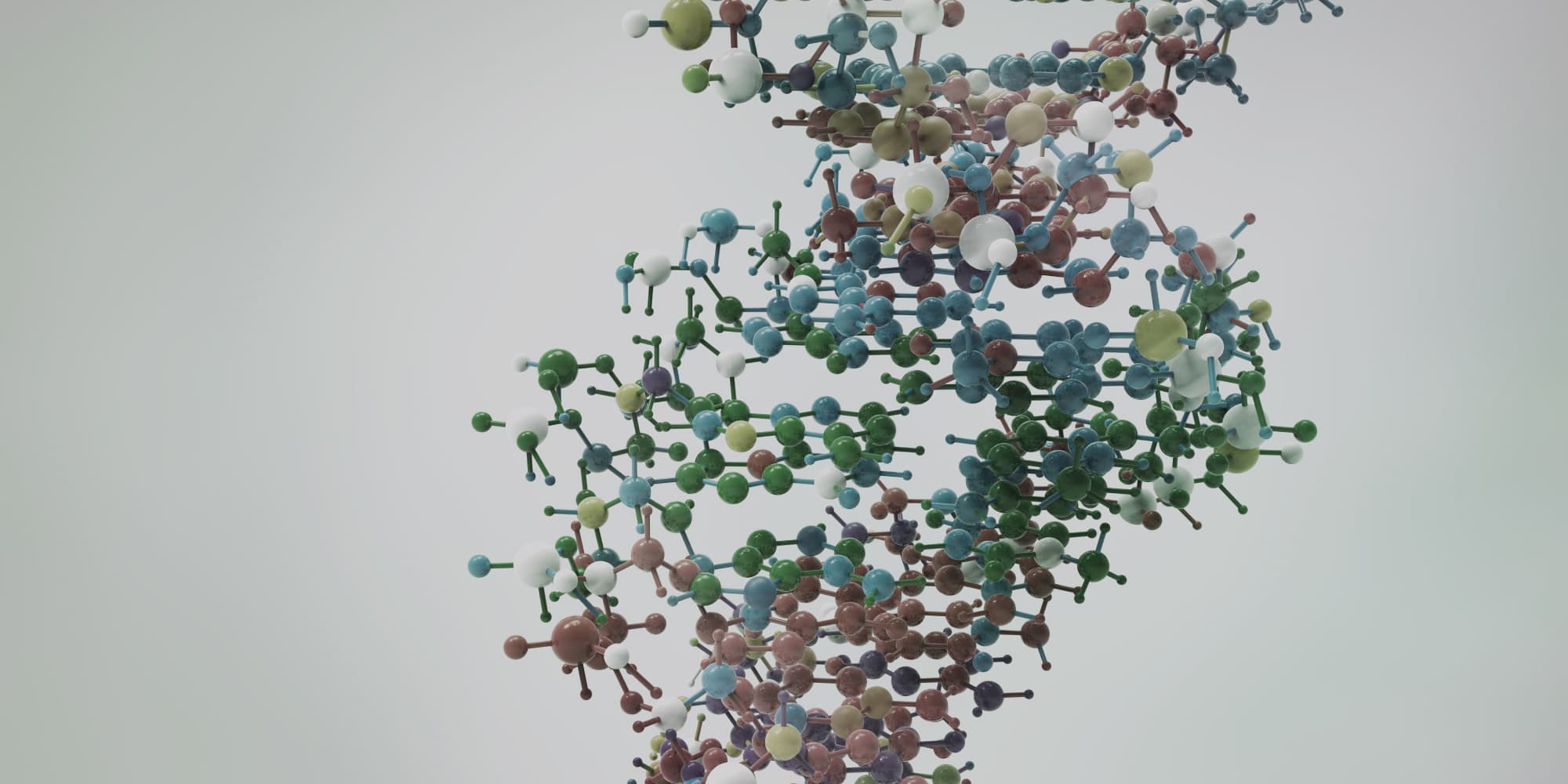
When will doctors and specialists really be able to use DNA-sequencing in their practices?
Today, sequencing the whole human genome costs around $1000. Yet within the foreseeable future, this figure will be reduced to $100 or even $10. But are these figures realistic? Because they don’t take account of the cost involved with preparing the sample for sequencing – or of processing the data afterward. “Imec is finding ways of making the steps before and after the sequencing process cheaper and faster,” say imec’s Liesbet Lagae and Wilfried Verachtert. “That way, physicians or specialists will be able to read out genetic profiles in just a couple of hours. This will mean prescribing the right treatment more quickly, which is vital, for example, in the case of cancer.”
Read more
A summer of science abroad
As part of an international collaboration between Johns Hopkins University (JHU) and imec, each year 3 to 5 JHU students spend their summer in imec’s labs working on joint research projects.
Read more