Rolling Solar
Solar electricity generation in public road infrastructure
In the Interreg EMR project “Rolling Solar” seven research entities and thirteen companies collaborate on the development and demonstration of PV-integrated road elements and road infrastructure, to generate electricity from sunlight without additional use of land while hiding the technology from sight.
With financial support of the European Union it is explored and demonstrated how integration of photovoltaics in public road infrastructure can be made economically viable to generate durable energy without affecting primary functions for transport. Imec is partner in Rolling Solar.
Rolling Solar
Germany, Belgium and The Netherlands are internally connected by a total of 1 million kilometer of roads. This represents a huge area of built environment that can be used for renewable energy generation by integrating solar cell materials into road pavements and road infrastructure. In recent years, promising demonstrators have already been realized where crystalline solar cells are incorporated into bicycle paths, roads, and in a wide variety of noise barriers. However, costs of such systems are still high and reliability can be improved. This project aims to reduce cost by using flexible thin film solar sheets and by a more effective and reliable integration of the solar cells. Partners along the value chain from PV production up to installation and grid connection explore and demonstrate innovative approaches in close collaboration with regional research institutes. Also, an inventory and exchange on regional policies, regulatory framework, and building and safety regulations for electric energy generation in public infrastructure is foreseen.
Copyright SolaRoad BV
Copyright Soltech NV
An open innovation model for cross border collaboration
TNO is one of the partners in the Public Private Research Collaboration Solliance, and is the formal project coordinator. In addition to the Solliance research partners ECN.TNO, imec, University Hasselt (B) and FZ Jülich (D), also ZUYD (NL) RWTH Aachen (D) and HELMO (B) are participating. Thirteen private companies along the value chain participate as funded partners, while other companies are connected as users or suppliers. Eight public and private stakeholders from the three nationalities support the project through an advisory committee. A full partner list can be found on www.rollingsolar.nl.
INTERREG
The project Rolling Solar is executed within the framework of the Interreg program Euregio Maas Rijn (www.interregemr.eu). It is financed through the European Regional Development Fund (ERDF), and also financially supported by the provinces of Noord Brabant (NL), of Flemish Brabant and Limburg, and of Liège (B), and by the Dutch Ministry of Economic Affairs and Climate Policy.
Some examples of what we have done

Meet imec fellow Mircea Dusa
Mircea is a visionary scientist in lithography, with a deep understanding of photolithography and optical equipment built over many years.
Read more
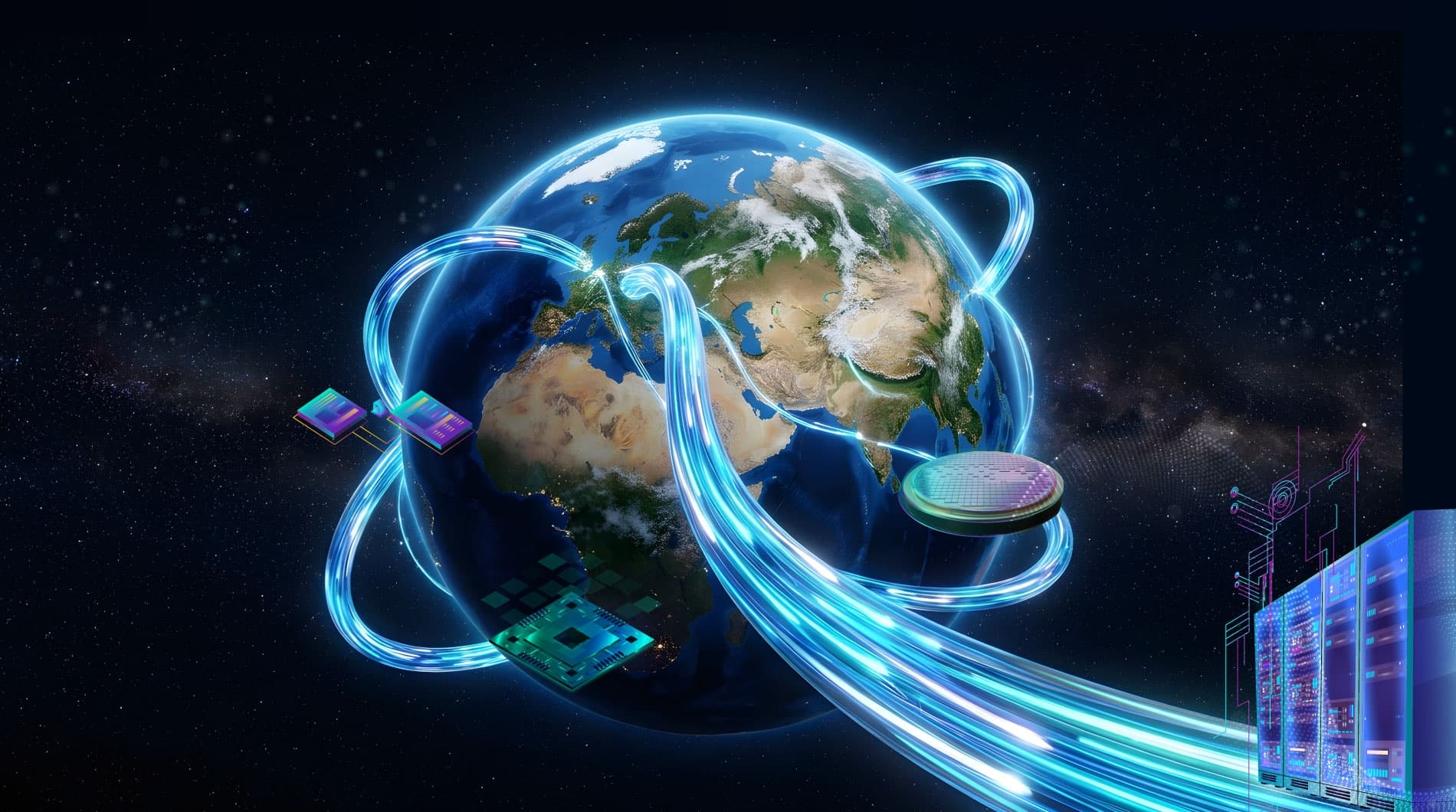
How hyperscalers are rethinking AI infrastructure
To move data faster, farther, and more efficiently, the AI ecosystem is exploring RF silicon interposer technology that allows to heterogeneously integrate CMOS, BiCMOS, and III-V materials
Read more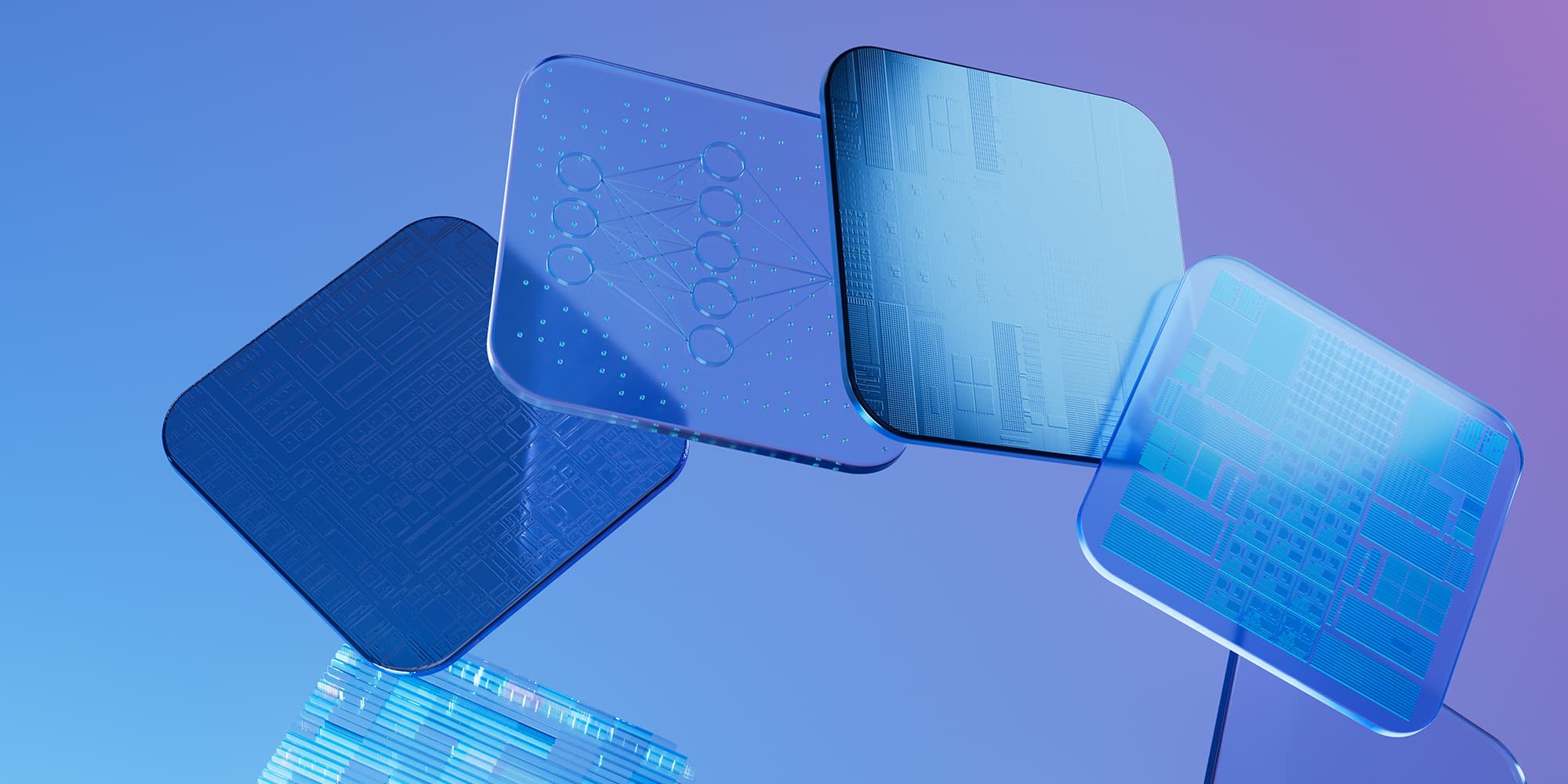
ITF USA 2026 at SEMICON® West
From silicon to systems: building the AI future The pace of AI evolution leaves little room for certainty. Yet, several trends are clear: AI agents increasingly collaborating in orchestrated ecosystems are on the rise. Physical AI is a crucial next step, including (humanoid) robots transforming our homes and workspaces. In parallel, AI – just like advances in quantum computing – could help unlock breakthroughs in fields such as physics and biology. Building the AI future starts with a solid hardware foundation – from high-performance, energy-efficient compute in the data centers to low-power, real-time inference at the edge. ITF USA at SEMICON® West presents the building blocks for shaping the AI future. On October 12 in San Francisco, we take stock of the full AI deep-tech stack: from silicon to systems, from research to manufacturing. Discover ITF USA
View event