Neuromorphic hardware
Sensor fusion that consumes less energy, experiences less delay and achieves more precision needs hardware that’s tailored to its needs.
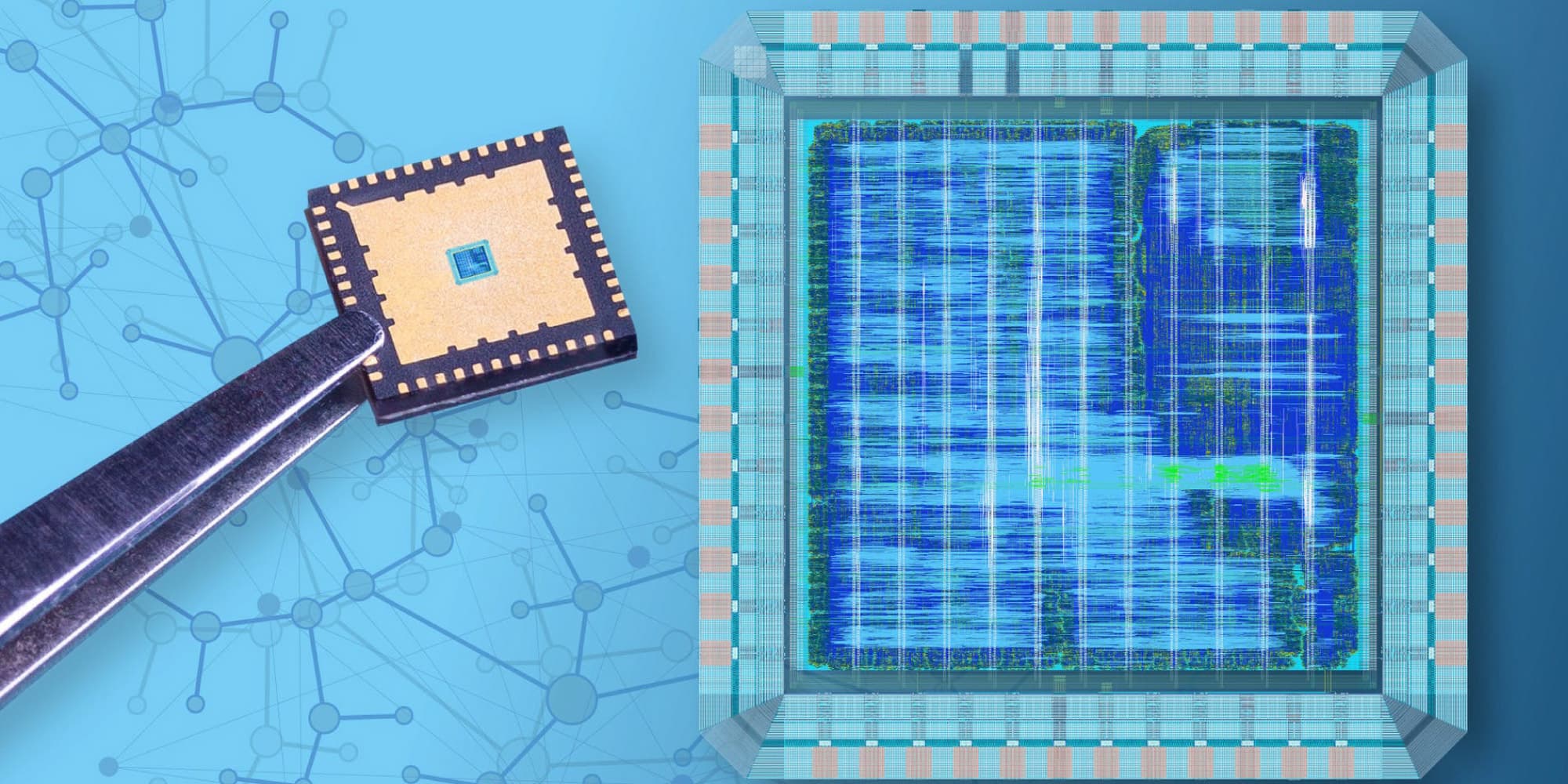
Many applications that could profit from automated vision and sensing are lightweight and operate on a tiny energy budget. Still, they should be highly reliable and safe to operate. Think of drones that need to function under all circumstances.
A low energy budget and complex sensor fusion are hard to combine with today’s technology. To overcome this, imec develops spiking neural networks (SNN).
A new generation of neuromorphic hardware
Spiking neural networks mimic the way groups of biological neurons operate. They integrate sparse and asynchronous binary signals that for instance only fire when the sensory input surpasses a threshold.
It’s an approach that has considerable benefits:
- Imec’s SNN IC solutions consume up to a hundred times less power.
- At the same time, the latency is reduced tenfold. This enables almost instantaneous decisions on the basis of input streams from various sensors such as radars, LiDARs and cameras.
Read more about imec’s SNN IC in this in-depth article
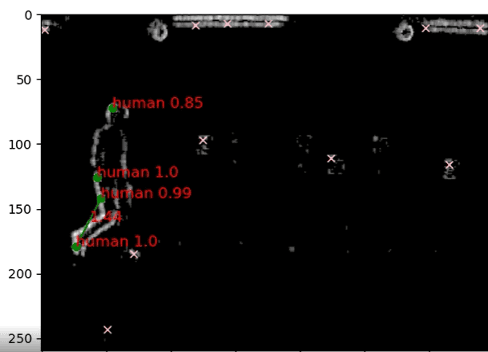
Today and in order to connect sensors to the underlying AI, the continuous feed still needs to be translated into frames. This limits the efficiency. That’s why imec is also investigating how the spiking concept can be implemented end-to-end, from the cameras and sensors to the AI engine.
We are pioneering this approach, with promising results. Addressing that many requirements in an SNN chip has never been done before.
Join our research
Want to explore the possibilities of this new generation of neuromorphic hardware?
We invite all interested technology companies – including OEMs in automotive and robotics – to enter our exploration of spiking neural networks. As partner in our R&D program, you’ll position yourself ahead of the curve.
Leaflet
Boosting next level sensor fusion through event-based neural networks: a new generation of neuromorphic AI hardware
DownloadRead more
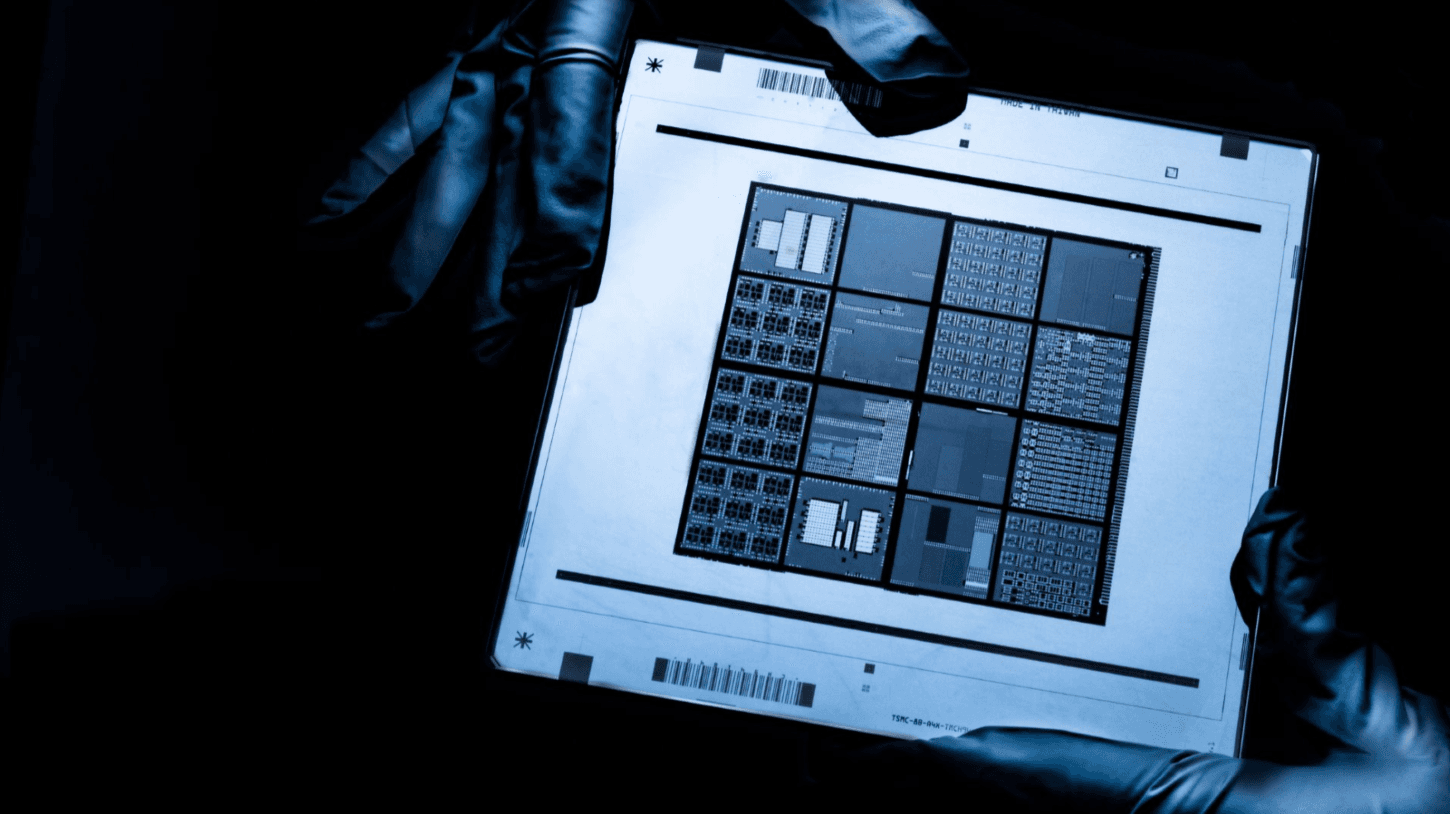
When does it make sense to move from a monolithic ASIC to a chiplet-based design?
A journey into the benefits, trade-offs and technical implications of moving to chiplets
Read more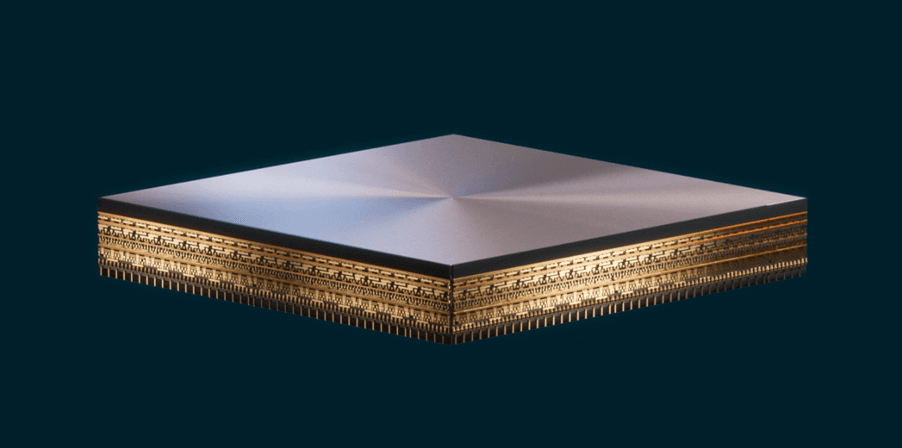
SDSi: a new generation of workload-adaptable chips through reconfigurable computing
Software-defined silicon (SDSi) focuses on the full adaptation of hardware architecture to software demands at the moment of execution. This represents the physical side needed to execute AI co-generated software and hardware architecture.
Read more
Flanders’ deep-tech advantage: reinventing the drug pipeline
How imec and VIB are combining strengths to produce invaluable data in preclinical testing
Read more