New electrolysis technologies for green hydrogen and other molecules
Electrolysis can convert renewable energy sources into valuable molecules that can act as energy storage, e-fuel or feedstock for industry.

Electrolyser systems, powered by renewable electricity, are key for a decarbonized, circular and resilient economy. By using electricity to drive chemical reactions, electrolysers can transform abundant resources such as water and carbon dioxide into valuable molecules, fuels and materials.
Key applications include:
- Renewable hydrogen: produced by splitting water into hydrogen and oxygen, providing a low-carbon feedstock for industries such as steel, chemicals and refining, as well as a clean fuel for transportation and energy applications.
- CO₂ conversion (CCU): using renewable electricity to convert captured carbon dioxide into valuable products such as methanol, ethylene, formic acid and synthetic fuels, supporting a circular carbon economy and reducing dependence on fossil resources.
- Future electrochemical manufacturing: enabling the sustainable production of a growing range of chemicals, fuels and materials needed for the clean energy transition.
Electrolyser systems also provide a powerful solution for energy flexibility and storage. Excess renewable electricity can be converted into energy-rich molecules and stored for later use, helping to balance the grid, support seasonal energy storage and accelerate the integration of renewable energy.
Beyond decarbonization, electrolysers strengthen industrial resilience and strategic autonomy. By enabling the domestic production of critical fuels, chemicals and materials from renewable electricity and locally available resources, they reduce dependence on imported fossil fuels, diversify supply chains and enhance energy and resource security.
As a versatile electrochemical platform, electrolyser systems are becoming a cornerstone technology for delivering climate neutrality, industrial competitiveness and long-term resilience.
To fully unlock the transformative potential of electrolyser-based technologies, continued innovation is essential to enhance performance, increase durability, and enable large-scale deployment. These advances will be key to enhancing the cost competitiveness of renewable hydrogen, e-fuels, and electrochemically derived chemicals relative to their fossil-based counterparts, making sustainable molecules more affordable while strengthening industrial competitiveness and supporting the clean energy transition.
Power-to-Molecules research program for green electrolysis
Imec and EnergyVille want to push the power of green electrolysis forward for hydrogen production and CO2 convserion, by making the process much more efficient and cost competitive. Our research is therefore focusing on increasing throughput, selectivity, energy efficiency and reliability of electrolyser cells.
These are the building blocks our researchers are working on:
- Imec's Nanomesh material, a highly porous three-dimensional network of interconnected nanowires, for use in electrodes. The large surface area and high porosity of the materials ensure excellent results.
- Thin-film catalyst technology to make the nanomesh electrodes catalytic, facilitating the chemical reaction.
- Catholyte-free designs for alkaline electrolyser cells and gas diffusion electrode to improve mass transport and increase overall performance of the system.
- Solid electrolytes for highly conductive membranes, as well as ionic coupling and gas sorption inside electrodes. An integrated photovoltaic and electrochemical cell for true decentralized energy solutions.
- Interface technology for optimizing the electrolysis process.
Specifically, for CCU, imec develops a revolutionizing technology that integrates carbon capture with CO2 conversion, turning a traditional 2-step process into a simple 1-step process. This technology could, for example, be used at emission sites directly converting dilute sources such as factory exhausts, or even directly from the air, without the need for an additional capture unit.
Want to get involved in our research? Click the button below to get in touch.

Read more

Meet imec fellow Philippe Vereecken
“Use your imagination, it’s one of your most powerful assets.”
Read more
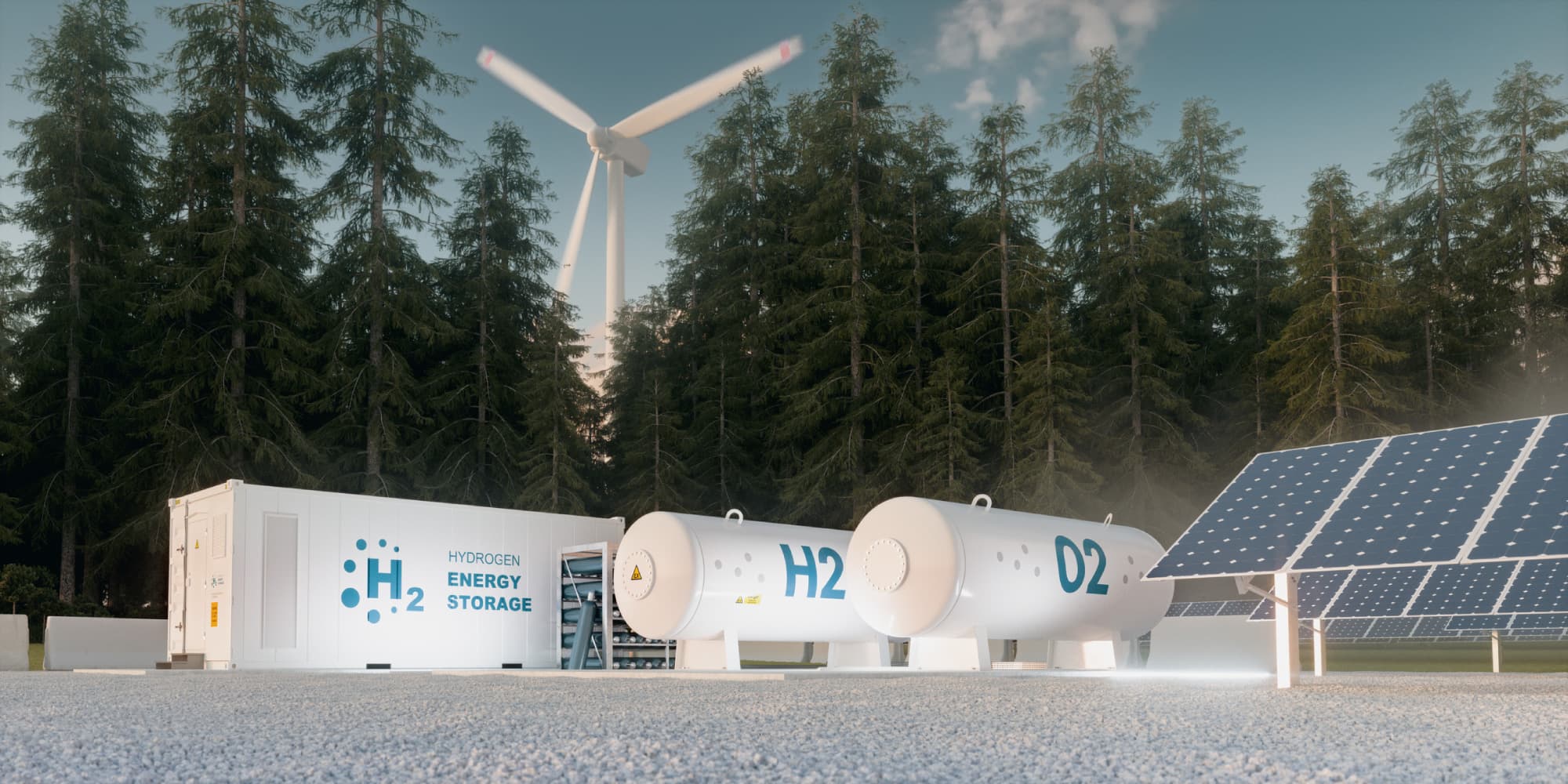
Flemish expertise centers join forces with industry to push green hydrogen production forward
Read more
ITF USA 2026 at SEMICON® West
From silicon to systems: building the AI future The pace of AI evolution leaves little room for certainty. Yet, several trends are clear: AI agents increasingly collaborating in orchestrated ecosystems are on the rise. Physical AI is a crucial next step, including (humanoid) robots transforming our homes and workspaces. In parallel, AI – just like advances in quantum computing – could help unlock breakthroughs in fields such as physics and biology. Building the AI future starts with a solid hardware foundation – from high-performance, energy-efficient compute in the data centers to low-power, real-time inference at the edge. ITF USA at SEMICON® West presents the building blocks for shaping the AI future. On October 12 in San Francisco, we take stock of the full AI deep-tech stack: from silicon to systems, from research to manufacturing. Discover ITF USA
View event