“From last option to better option”
How an Irish start-up is on a mission to prevent migraine; and to do so with bioelectronics.

Based in Dublin, Capri-Medical is a small start-up company with a vision: “to cure chronic migraine”. How? With just 1 injection and a 20-minute procedure administered under local anesthetic in an outpatient clinic; instead of the traditional 3-hour surgical procedure.
We talked to CEO Fergal Ward about their bioelectronics devices which stimulate the peripheral nervous system, their injectable Luna-Air device and why they had to choose an ASIC.
Can you tell us a bit about your company and your product?
Capri-Medical is a young start-up from Ireland designing and developing bioelectronics devices which stimulate the peripheral nervous system. Our first product targets pain management for chronic migraine patients. Migraine is the third most common disease in the world with an estimated global prevalence of 14.7% or 1 in 7 people (more prevalent than diabetes, epilepsy and asthma combined). In 2019, migraine was classified as a European epidemic. Our main differentiator in the market is a way to inject the neurostimulation treatments.
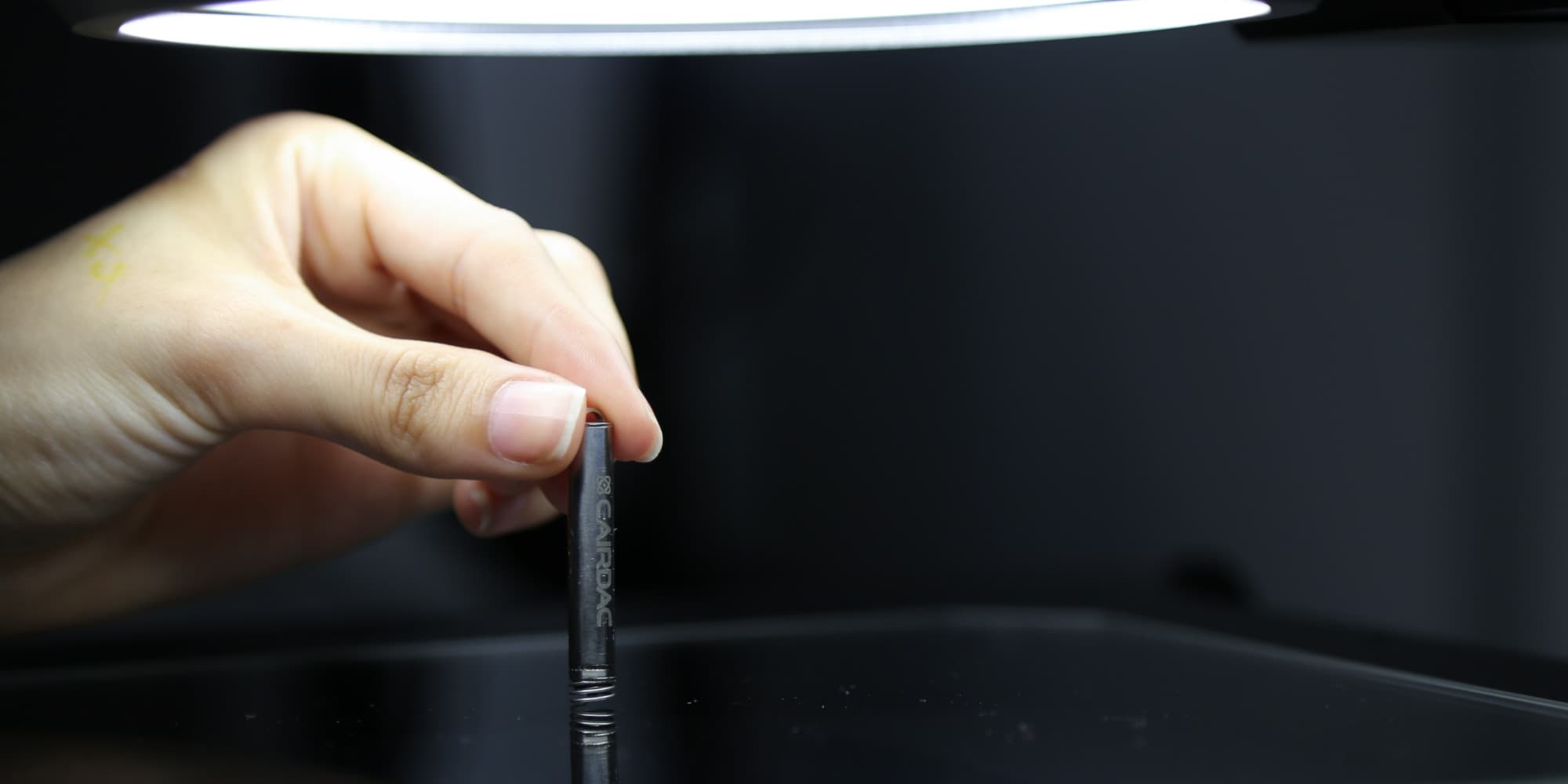
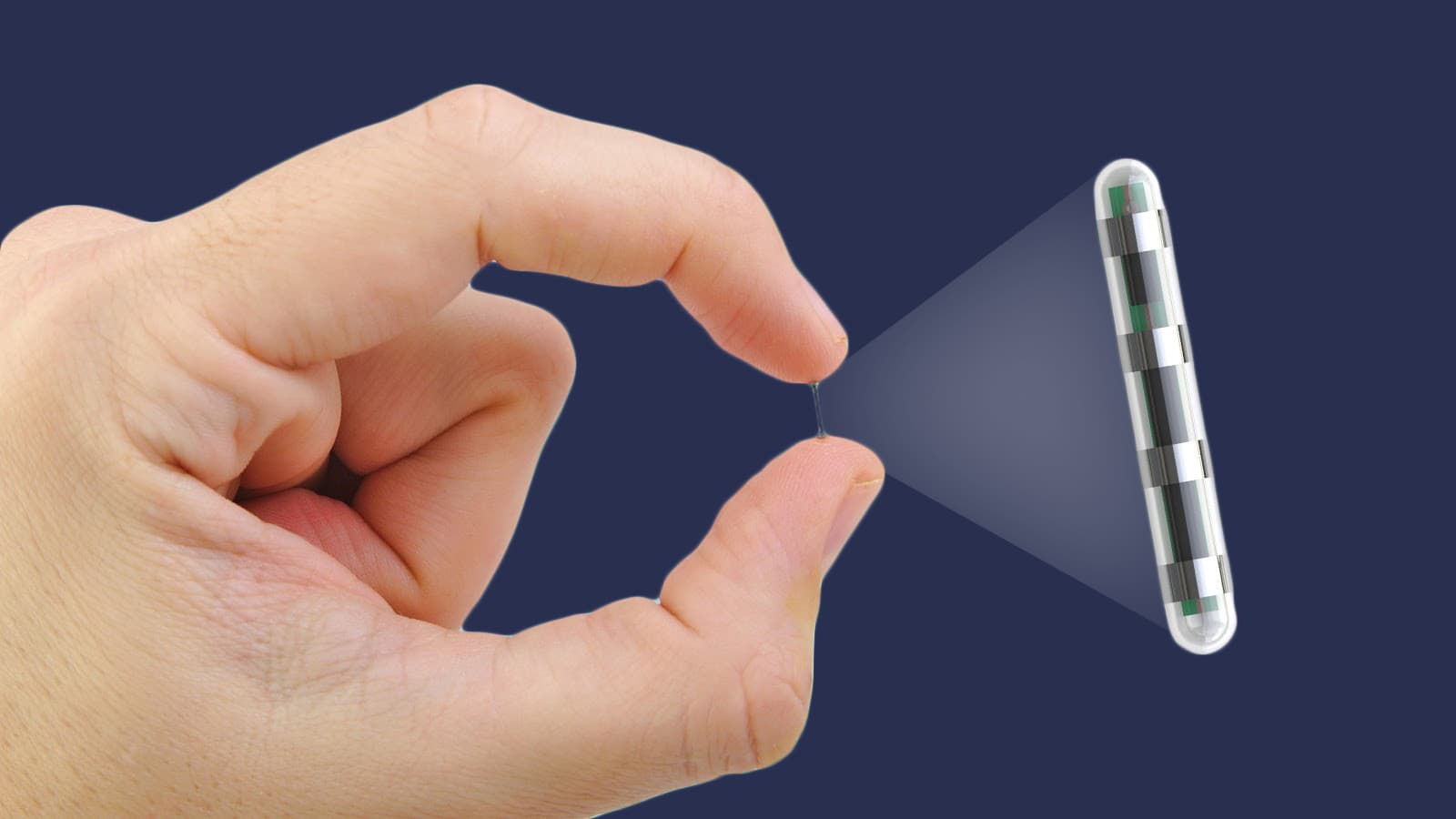
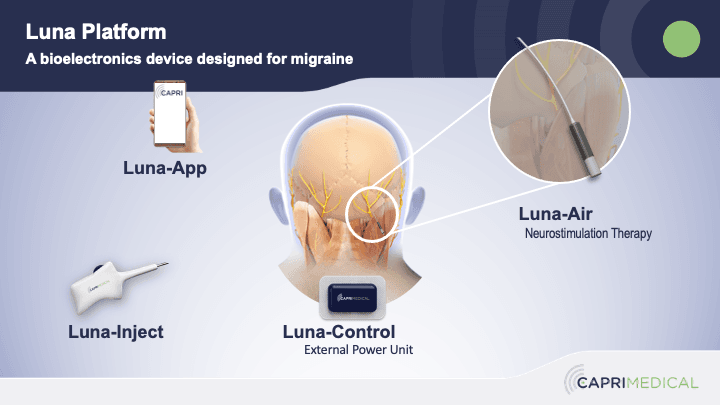
Our device is called the Luna platform. A very small implant “Luna-Air” is placed into a muscle in the back of the neck. It is powered by the device “Luna-Control” which provides wireless power into the implant. The whole platform is complemented by a smartphone app that serves to control the device.
Why do you go for an ASIC solution?
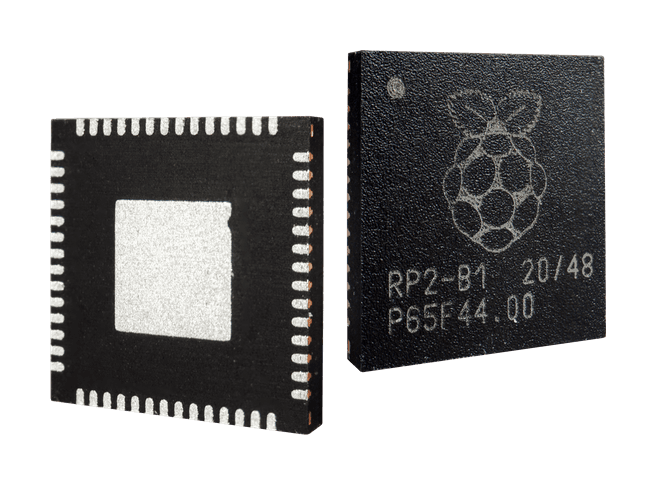
We have to go ASIC; there’s no way around it. Think about it: we are trying to inject a device that’s more performant than anything that’s on the market at this moment. It’s not only the miniaturization that’s important, but also the integration of multiple functionalities and the cost aspect are key drivers for our choice for an ASIC solution.
Why do you choose to work with imec?
If you choose an ASIC solution, there’s only one organization in Europe that can help you do that, and that’s imec. Imec is helping us with our current roadmap and trying to figure out the chip – a chip that’s so small that it’s injectable, and new innovations as well.
Can you talk a bit about the status and your roadmap?
We have finished our first design in TSMC 180nm technology; a 1.4 x 1.4 mm die that we taped out on an MPW (multi-project wafer) run at the end of March 2021. We hope to have first silicon in the summer of 2021. We have chosen 180nm technology as starting point since it’s most cost-effective for our first prototype. Once we have validated our design, we will investigate whether we can further shrink it by moving to smaller technology nodes (such as 55nm). In addition, we’re also looking to integrate imec IP blocks into our design.
Are you working on a product that requires an ASIC?
Watch our webinar on application-specific ICs.
Authors

Fergal Ward
Fergal is CEO and founder of Capri-Medical which was awarded 2nd overall in Europe’s inaugural EIC program. Prior to Capri-Medical, he spent 14 years in various start-ups delivering innovative new products.
Fergal has led product development for Intune Networks and delivered telecoms solutions to some of the world's biggest telecoms operators. He has also led product development in AI Platforms and predictive analytics solutions for Boxever LTD and that were implemented at some of the biggest airlines and online travel companies. Fergal has a bachelor’s and master’s degree in Biomedical Engineering from DIT, a research scholarship with NASA and an MBA from Trinity College Dublin.