How point-of-care manufacturing will enable cell therapies to reach the patients who need them
Technological advancements and strategic partnerships are emerging as a solution to the limitations of centralized production of cell therapies.

In short
Centralized manufacturing in highly specialized facilities has been the dominant model for the manufacturing of cell therapies, particularly autologous CAR-T therapies. However, this model imposes limitations on accessibility and scalability. Decentralized or point-of-care (POC) manufacturing, enabled by technological innovations and strategic collaborations, addresses these challenges to make cell therapies more accessible to patients worldwide.
Cell therapies have shown remarkable success in treating conditions like leukemia and lymphoma. These therapies, particularly those based on patient-specific autologous products, offer an inherently personalized approach, enhancing the effectiveness of the therapy and reducing the likelihood of adverse reactions.
The widening gap between supply and demand
Building on the clinical successes of cell therapies in treating liquid tumors, multiple clinical studies explore the use of cell therapies to target solid tumors and other indications. With every successful trial opening up treatment possibilities for a new patient group, we anticipate a rapidly growing group of eligible patients and a manufacturing capacity that will struggle to keep up with demand.
Our estimates suggest that by 2030, hundreds of thousands of patients in the US alone could be eligible for cell therapies but may have no access to these potentially life-saving treatments.
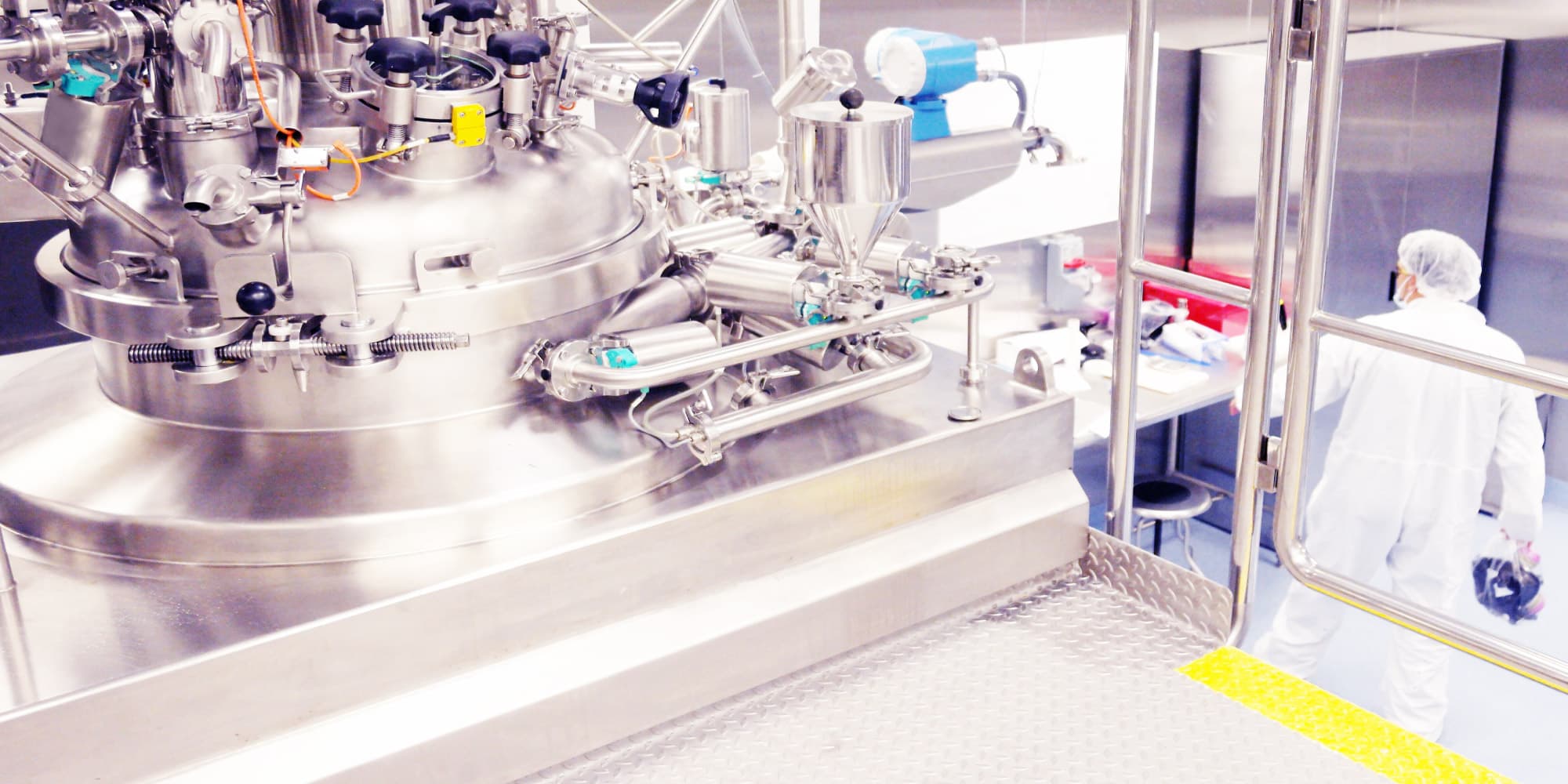
The bottleneck largely stems from the traditional centralized manufacturing model, where patient cells must be transported to a manufacturing site, processed, and then returned. This process can take weeks, is highly resource-intensive, and is often only available at a limited number of specialized facilities.
Download imec's white paper: raising the bar in manufacturing cell therapy products
Going local
In response to these challenges, a shift towards decentralized manufacturing is gaining momentum.
Unlike the traditional model, decentralized manufacturing brings the production process closer to the patient, either at or near the point of care. This approach could significantly reduce turnaround times and logistical complexities, making therapies more accessible and potentially more affordable.
One recent example of this shift is the strategic collaboration between Galapagos and Blood Centers of America. Announced earlier this year, this partnership aims to accelerate the establishment of a decentralized CAR-T manufacturing network across the US.
By leveraging 50 existing community blood centers across 43 states, which already have the infrastructure and expertise in handling patient samples, this collaboration could serve as a model for how decentralized manufacturing can be scaled rapidly and effectively.
Leveraging deep tech
Deep tech, which has already revolutionized fields like computing and genomics, is poised to dramatically enhance life science tools as well, including cell therapy.
By leveraging advanced materials, software, and artificial intelligence, deep tech could improve the precision, speed, and efficiency of cell therapy manufacturing.
Innovations in genomics, for instance, have reduced the cost of sequencing a human genome from millions to just a few hundred dollars, with further reductions on the horizon. This same trajectory of exponential improvement could be applied to cell therapy, resulting in more accurate, faster, and higher-yield processes.
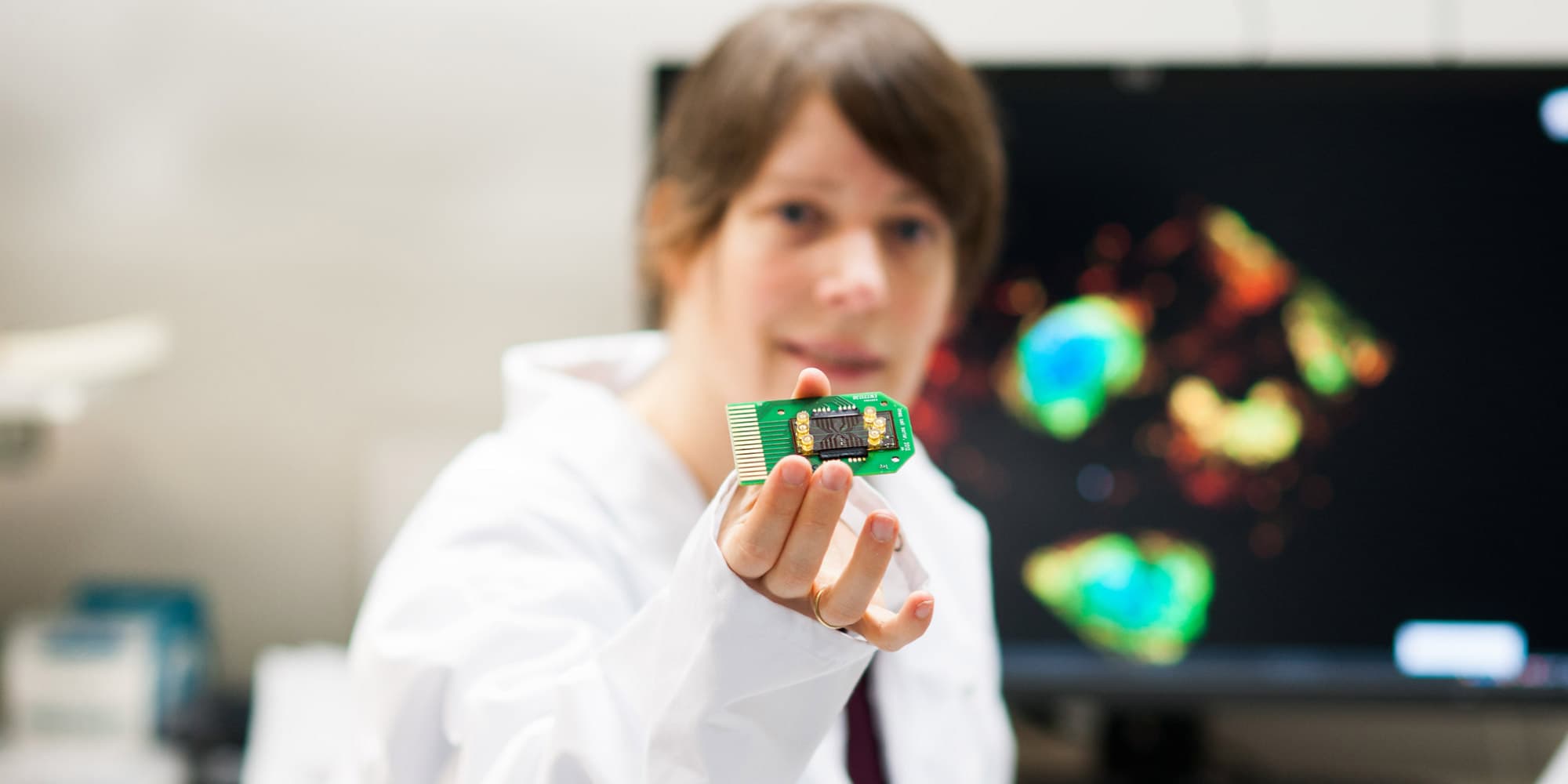
Researchers from the Singapore-MIT Alliance for Research and Technology (SMART) have recently developed a groundbreaking microfluidic chip, about the size of a pack of cards, capable of producing clinical doses of CAR-T cells for cancer therapy in an ultra-small, automated, and closed system.
The new technology represents the first use of a microbioreactor for autologous cell therapy, enabling the production of CAR-T cells with the same efficacy as traditional methods but at a significantly lower cost. It addresses major bottlenecks in CAR-T cell manufacturing, including the high costs and resource demands of current systems. According to the researchers, the microfluidic chip could potentially cut production times by 30 to 40%.
We expect more and more technologies to emerge, and as they do, the vision of producing cell therapies "on-demand" at the point of care will become increasingly feasible.
Access for all
The potential benefits of the industry embracing decentralized manufacturing are immense.
By removing the reliance on centralized facilities, cell therapies can become more widely available, not just in major academic medical centers but in a broader range of healthcare settings. This shift could be particularly impactful in regions where access to advanced medical infrastructure is limited.
In Brazil, the partnership between Fiocruz and Caring Cross highlights the field’s efforts to make CAR-T therapies more accessible in regions that have traditionally been underserved. This collaboration focuses on establishing affordable, decentralized manufacturing capabilities for leukemia, lymphoma, and HIV—produced at around one-tenth of the current price in the US and Europe—to ensure that these advanced therapies can reach patients in Brazil and across Latin America.
Delivering on the promise of cell therapies
As the field of cell therapy continues to advance, the integration of decentralized manufacturing will be crucial in ensuring that these life-saving treatments reach all who need them. Incentives from funding organizations to address this challenge, following the example of the US government’s Advanced Research Projects Agency for Health (ARPA-H) new DECIDE-ET program, will be important enablers of such a transformation.
With continued technological innovation and through strategic partnerships, we are convinced that the dream of point-of-care manufacturing is no longer a distant vision. We can turn it into reality by uniting industry leaders and healthcare providers behind a joint mission to deliver advanced therapies that are accessible and affordable for patients worldwide.
This joint blog was written as a follow-up piece to a panel discussion that imec organized at Advanced Therapies Week 2024.
If you are interested in actively contributing to the implementation of point-of-care manufacturing through strategic partnerships and continued technological innovation, the authors invite you to please get in touch via health@imec.be or contact@exthymic.com.
Authors

Rich Stoner
Rich Stoner is a serial entrepreneur active at the intersection of engineering and biology. He previously served as founding CSO at Resilience and is currently building the biotechnology startup Exthymic focused on democratizing access to autologous cell therapies through point-of-care manufacturing.

Peter Peumans
Peter Peumans graduated as a civil engineer in electrical engineering from KU Leuven and was awarded his doctorate at Princeton University. He then became professor in Electrical Engineering at Stanford University, where he led research into new systems for capturing solar energy. He has been working at imec since 2011 and is involved in the strategy for imec’s Life Sciences activities.
Discover more