Accurate, personalized and predictive healthcare within reach
How can we live a healthy life for longer? And what are we going to do to tackle the ever-increasing cost of healthcare?
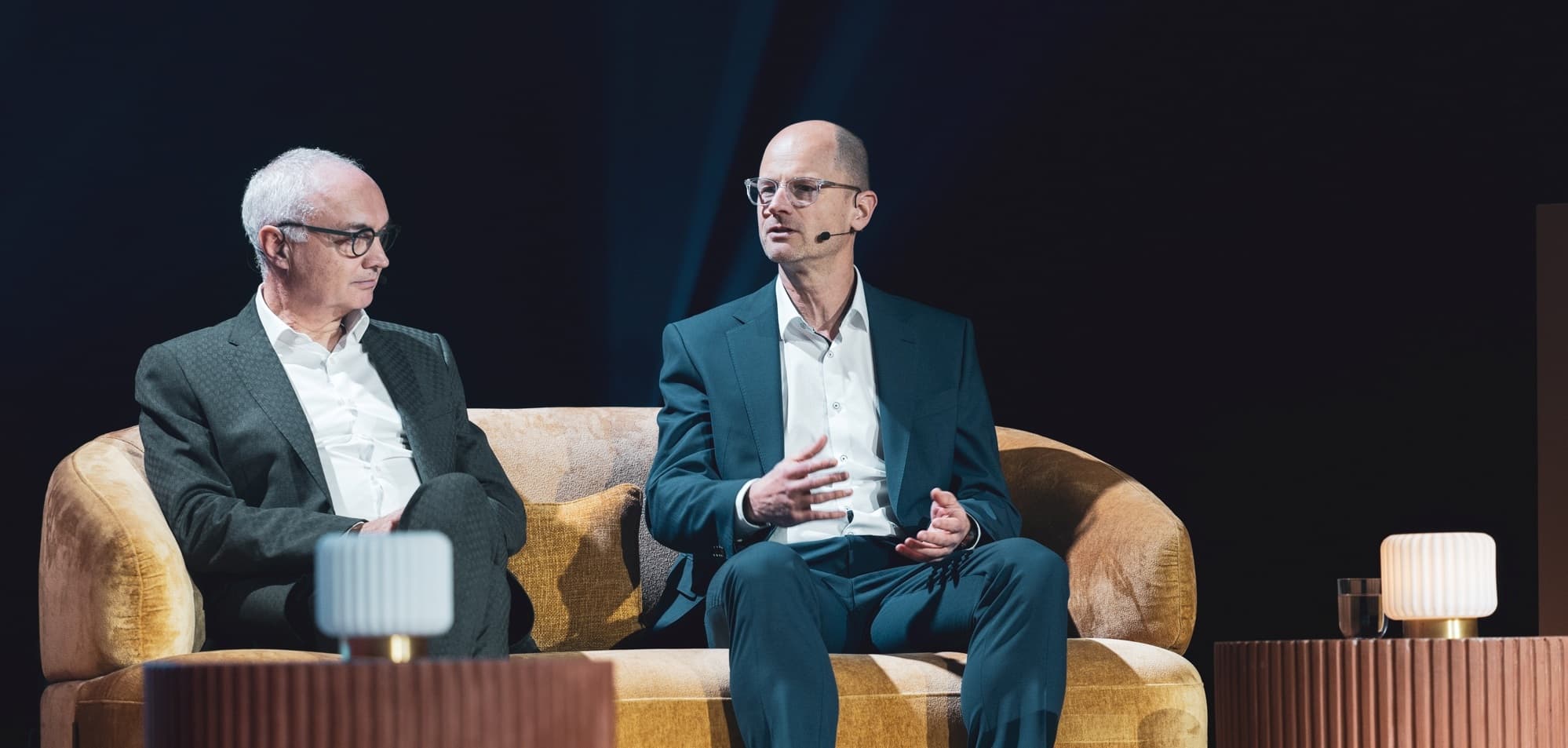
By gathering more data about our health, making predictions about how our health will evolve and by working with our doctor to make the right choices for a healthy life. Perhaps we’ll even be paying a ‘personalized’ premium for our health insurance – just as we do now for our car insurance. Although technology and artificial intelligence will definitely play a major role in this story, legislation and other regulations will have to ensure that this is a positive story, emphasizes Peter Peumans, senior vice president life science technologies at imec.
Your medical records: lots of data – and they belong to you
How are we going to be able to live healthier for a longer time? One way will be by monitoring our health better so that diseases can be detected at an earlier stage. This trend has already been set in motion with pedometers, heart rate monitors and continuous glucose monitors that are only minimally invasive.
In the future, the number of parameters that we can monitor on a continuous basis will expand further (blood pressure, stress, etc.).
We will also be using sensors in various shapes and sizes, integrated into bracelets, clothes, contact lenses, plasters and even implants.
For example, in June 2018, the FDA approved the first implantable glucose sensor and the accompanying app, designed to continuously monitor diabetes patients. This is a good example to show how technology can help us monitor other diseases as well.
All of this data will be collected in your medical records, along with more ‘traditional’ medical data, including your genetic mapping. But those records will be your property and you can look things up for yourself and view trends.
Doctors will become coaches and information specialists
Doctors will be given a different role, too, helping their patients to interpret the data correctly and make the right choices. Because although we may have access to all our data, this does not mean that we want to be on top of it the whole time. That’s something most of us leave to specialists.
Just as you would with a portfolio of shares. You may be very interested in those shares and how they are doing, but you’d probably prefer to leave most of the work to the experts so that they can track everything in detail and take the right decisions.
And, naturally, you’d be consulted, if necessary, and receive regular updates.
Because of the huge quantity of data involved, the details will be interpreted first and foremost by machines. Artificial intelligence and machine learning will enable us to recognize abnormal values and your data will be compared with other information so that better diagnoses and treatments can be offered. Computers will even be able to make predictions about your health based on your values and lifestyle details.
It’s similar to the CO2 emission scenarios that the IPCC calculates for us now, saying things like: ‘If we keep on going the way we are today, it will be x degrees warmer by 2050; and if we use nothing but green energy, it will only be y degrees warmer.’ Translated to our health, that might become: ‘If you keep smoking, you’ll live to be 70. But if you stop smoking now, you’ll make 90.’ Various hypothetical scenarios can be calculated in this way and discussed with your doctor so that, together, the right choices can be made.
The medical training for doctors will be transformed.
Doctors will be assisted by artificial intelligence, which means it is important for them to understand the details of how the technology works.
This will enable them to recognize incorrect interpretations made by the computer.
Providing (psychological) guidance and coaching to patients will also become very important.
In addition to their doctor, people will also be able to opt for specialized apps that may help them. For example, apps to help you choose the sport that suits you best, etc. A whole new economy of health apps will be created, aimed primarily at extracting the maximum from all your data in the area that interests you most.
A personalized, transparent health insurance
This new approach to health – gathering all sorts of medical data and coming up with scenarios – will have many socioeconomic consequences. For instance, the predictions about our health might be linked to the estimated medical costs and to the premium you pay for your health insurance.
It will be similar your car insurance today, where the premium depends on the way you drive (number of accidents, fines, etc.). You’ll be able to opt to pay less if you add sensors to your car/body so that you drive/live better. Or you can opt to keep smoking and pay more. Just as you can decide to take a luxury holiday: it may not be good for your bank account, but you can’t resist the offer. This is also where regulations and legislation will become very important in terms of excluding things that we have no influence over (such as genetic diseases). Just as today it’s forbidden to allocate certain benefits or disadvantages based on skin color, sexual orientation or religion.
So, by 2035, we will be more in control of our own health.
The transparency, security and protection of our data, as well as laws and regulations will be extremely important to turn this vision into reality and to keep the cost of healthcare more under control.
We’ll also have to be on our guard (through some sort of official umbrella authority) to make sure that the innovations really do mean cost-savings for healthcare and don’t just add more complexity and fragmentation to the health system.
Want to know more?
- This article is based on a vision in imec magazine from January 2019: Peter Peumans on health: By 2035 you will ‘manage’ your health like a bank account.
Authors
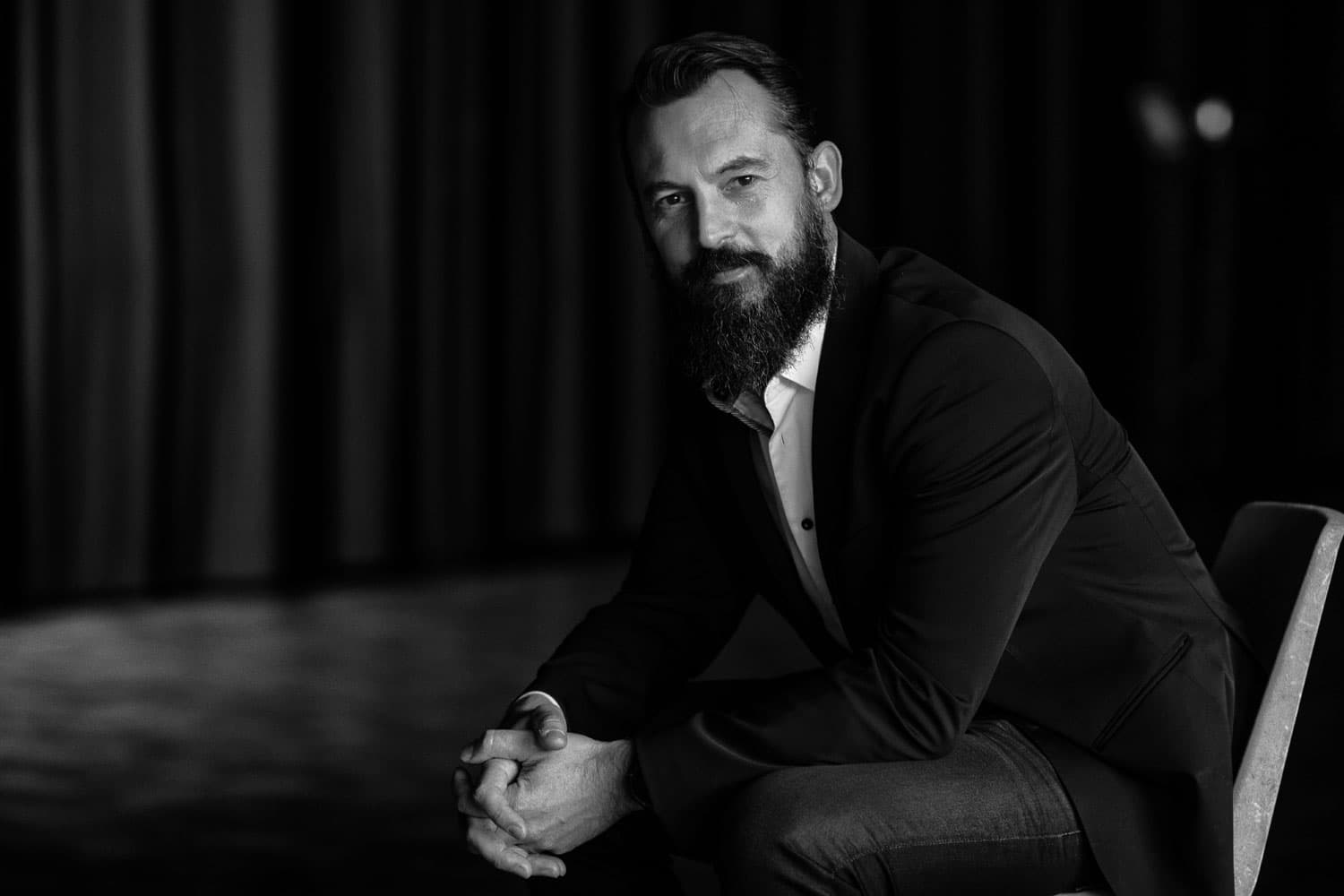
Peter Peumans
Peter Peumans graduated as a civil engineer in electrical engineering from KU Leuven and was awarded his doctorate at Princeton University. He then became professor in Electrical Engineering at Stanford University, where he led research into new systems for capturing solar energy. He has been working at imec since 2011 and is involved in the strategy for imec’s Life Sciences activities.
Discover more