Steven Latré
Steven Latré is a professor at the University of Antwerp and imec, where he is leading the IDLab Antwerp research group. He received a M.Sc. in Computer Science from Ghent University (Belgium) and a Ph.D. in Computer Science Engineering from the same university. His research expertise focuses on management and control of large-scale and/or heterogeneous Internet of Things networks. He has also been involved in and coordinated several national and European research projects. He is author or co-author of more than 80 papers published in international journals or in the proceedings of international conferences. He is the recipient of the IEEE COMSOC award for best PhD in network and service management 2012, the IEEE COMSOC Young Professional award 2015 and is a member of the Young Academy Belgium.

Authored articles
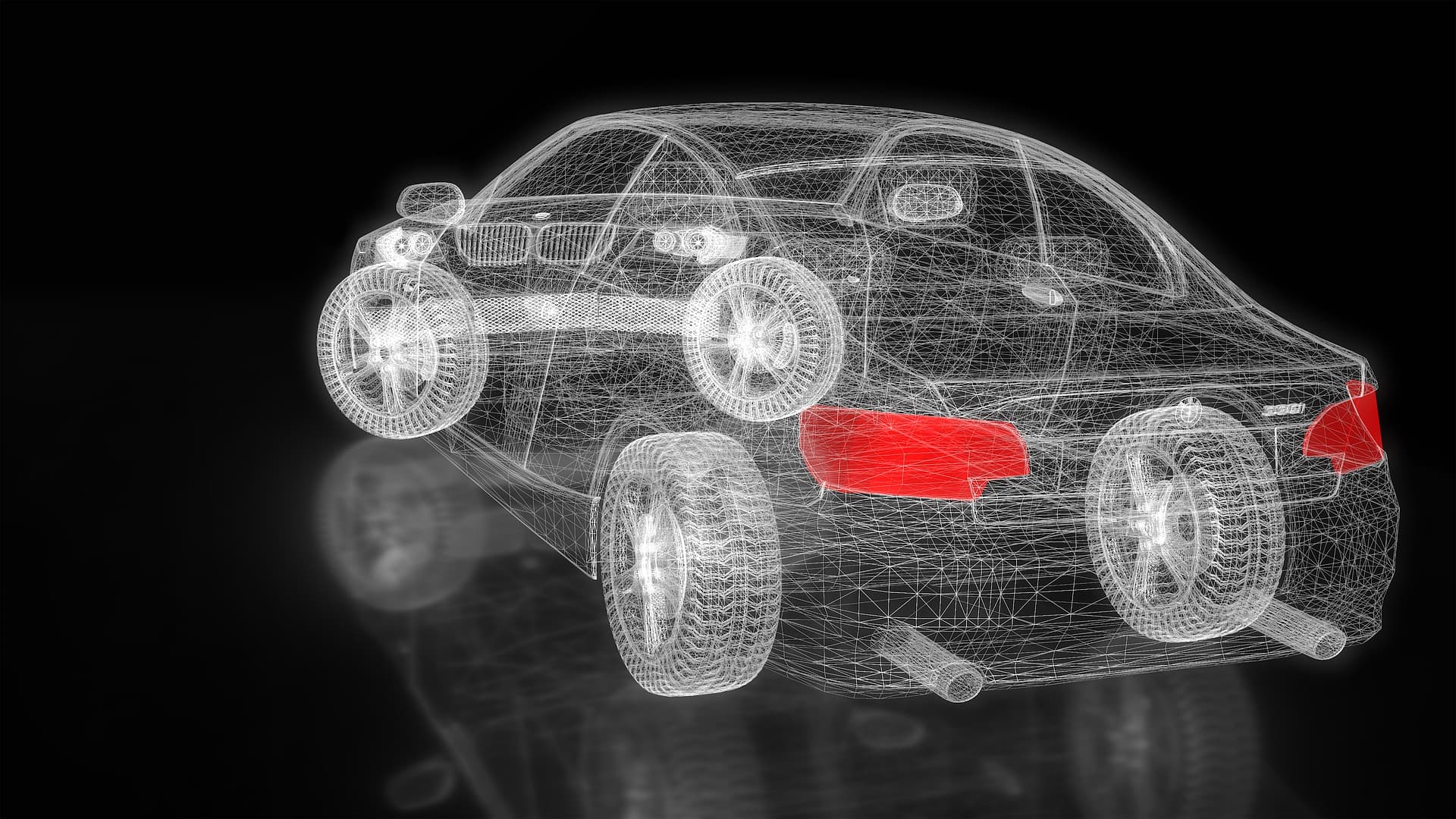
Enhanced Collaboration between Car Manufacturers and Semiconductor Industry Promises Significant Advancements in Road Safety
Car manufacturers strive to create vehicles that are safer, more customized, and eco-friendly. This makes them increasingly reliant on chips or semiconductors. In order to get there, chip technology requires another quantum leap forward: today, it does not yet possess the necessary computing power or energy efficiency to build the next generation of automotive systems. It is time for car manufacturers to leave their mark on chip makers’ strategic roadmaps. Against this backdrop, the European Chips Act – which was created to address supply chain issues and geopolitical challenges in the semiconductor industry – presents a unique opportunity for the European car manufacturing ecosystem to reclaim a leading position in the global automotive market.
Read more
Meet imec fellow Steven Latré
“The best innovations are found at the intersection of disciplines”
Read more
The Tower of Babel: Human-like AI
Human-like AI: the term covers several elements that have to make sure that AI-systems will be able to communicate seamlessly with humans.
Read more
Three proof-of-concepts for man-machine communication
To ensure the research on Human-like AI is geared as much as possible towards applicable technologies, imec defined three proof-of-concepts. These should lay the foundations for concrete solutions and for more widely applicable knowledge and technology. The three use cases are: understanding the context around vehicles, complex in-car dialogues and the AI-assisted operator. The initial focus of these scenarios has been defined for three years, with intermediate results that must be transferable to the industry from the first year onwards.
Read more
Improving user experience and security at large public events
In the iFEST imec.icon project, smart wristbands were used to communicate wirelessly with an intelligent, scalable infrastructure and give participants a better experience while ensuring the organizer’s peace of mind.
Read more