Fewer jobs or fewer accidents?
How can we make sure that AI systems – such as robots – will really help us and not snatch our jobs away from us? Pieter Ballon, director of SMIT, an imec research group at VUB, sheds light on the matter.
Will AI take our jobs?
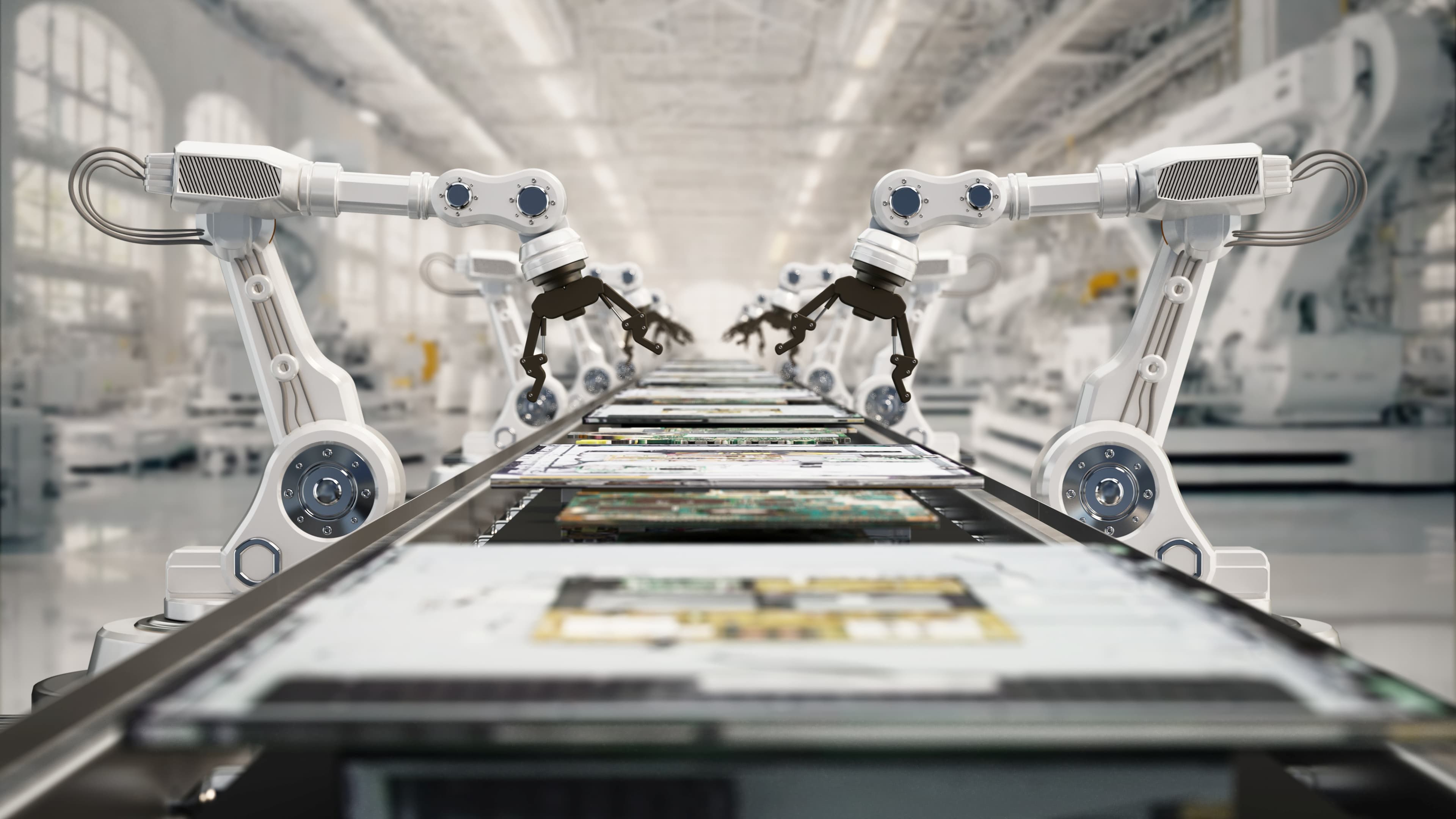
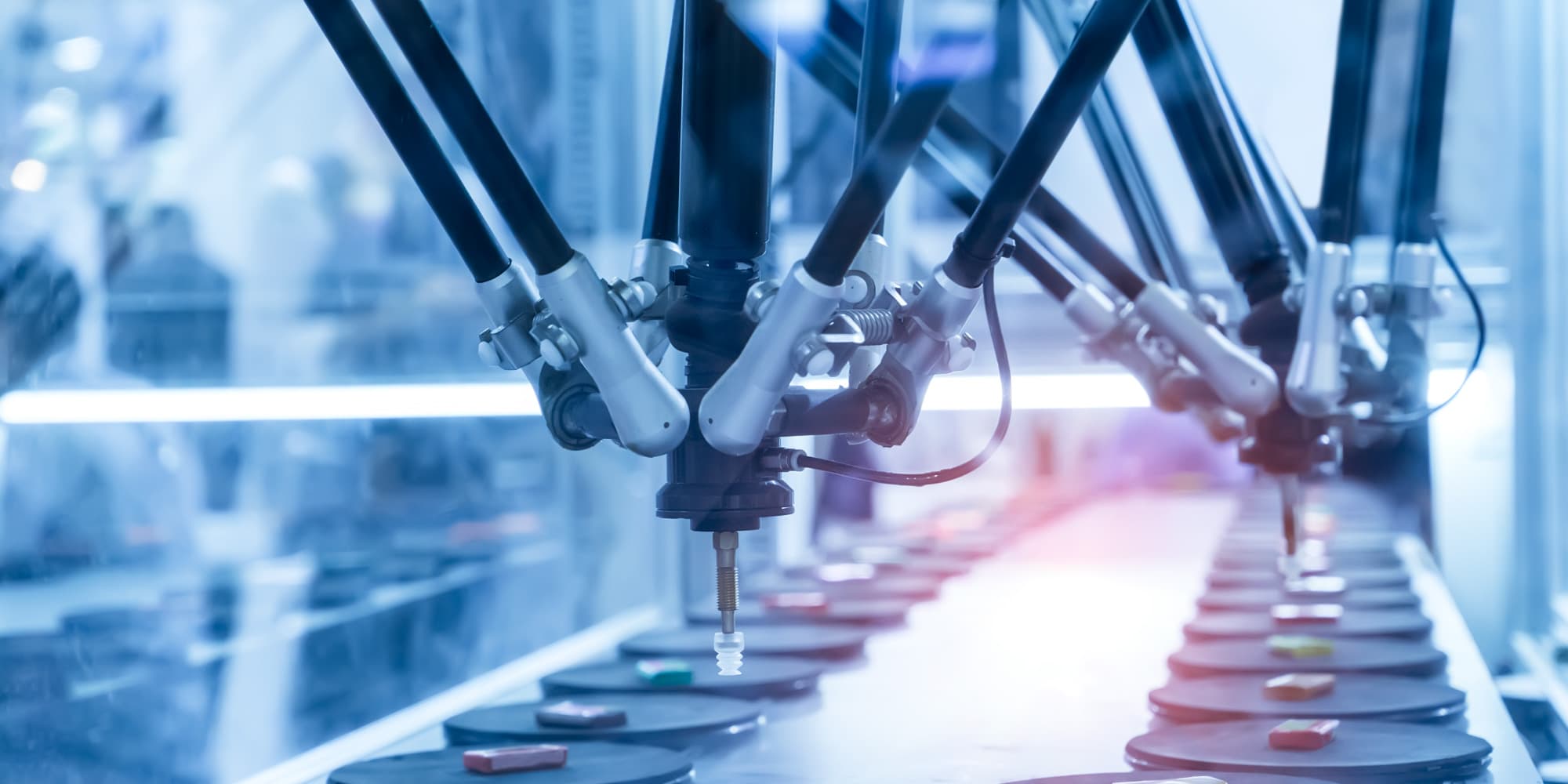
There is a good chance that many routine jobs will be taken over by AI systems and robots. That may range from working on a conveyor belt in a factory, to making certain medical diagnoses or working as an accountant or in legal jobs.
But the impact goes further than just our job content and we will also find other economic models becoming involved in which we will work less and in which job, income and consumption will be separated out from one another.
So perhaps you won’t have to work (fulltime) to receive a full income – and maybe you won’t need a full income to provide for your basic needs.
Just look at the current digital economy of apps and digital services. You can use many services free of charge and sometimes (with or without you realizing it) in exchange for access to your data. With this system, data will become a new tradeable commodity and so we will be able to ensure better that our data is our own property and that we can use it transparently when and where we want.
Whatever happens, the content of many jobs will be changed by the arrival of AI.
We will work with these AI systems and have to keep adjusting to new capabilities.
Lifelong learning will be very important, both for low-skilled and highly qualified jobs. New types of job will also be created that we can’t predict at the moment. Typically, jobs where human contact is very important – such as nursing – will still be done by humans, even though robots may be brought in to provide assistance and support.
Fewer work-related accidents
Robots and machines need to be made in such a way that people can understand them, are able to communicate with them and can work efficiently with them. That way, machines can carry out tasks on behalf of and for the benefit of humans. There are still many challenges to overcome in the area of communication between robots and humans.
For example, will a robot ever be capable of identifying our intentions?
A good example of efficient co-operation between people and machines is the ‘cobot’, or collaborative robot, developed to assist Audi production line workers in assembling cars. Whereas previously these types of machines used to be placed in safety cages, the cobot is able to safely perform certain actions close to and with the help of its human workmates. This means that tasks such as applying adhesive can be carried out much more precisely, consistently and always in the same way. Meanwhile, the cobot’s human workmate is able to control and direct it using hand gestures.
In the mining industry, Joy Global’s Longwall Mining System is used to dig underground virtually automatically, without any human input. Staff sitting in the control room above the ground keep a close eye on everything going on and only send engineers below ground if it becomes necessary. So, for the sake of people’s safety, mining has evolved to the most advanced stage of autonomy – although people are still very much a crucial factor of operations.
Want to know more?
- This article is based on an item from the January edition of imec magazine: Pieter Ballon on living with AI: AI systems will become our workmates. Workmates we understand and trust.
Authors

Pieter Ballon
Professor Pieter Ballon gained his master’s degree in Modern History from KU Leuven and his PhD in Communication Sciences at VUB. He has taught Communication Sciences at VUB since 2009. Since 2016, he has been director of SMIT, an imec research group at VUB focusing on ‘Studies in Media, Innovation and Technology’. Pieter Ballon was appointed the first Brussels Smart City Ambassador and is also the International Secretary for the European Network of Living Labs. His publications include the book “Smart Cities: how technology keeps our cities livable and makes them smarter”.
Discover more