Imec uses hyperspectral camera to decipher Da Vinci code in Tongerlo
Can hyperspectral data show that Leonardo himself was involved in the realization of the canvas of The Last Supper in the Abbey of Tongerlo?

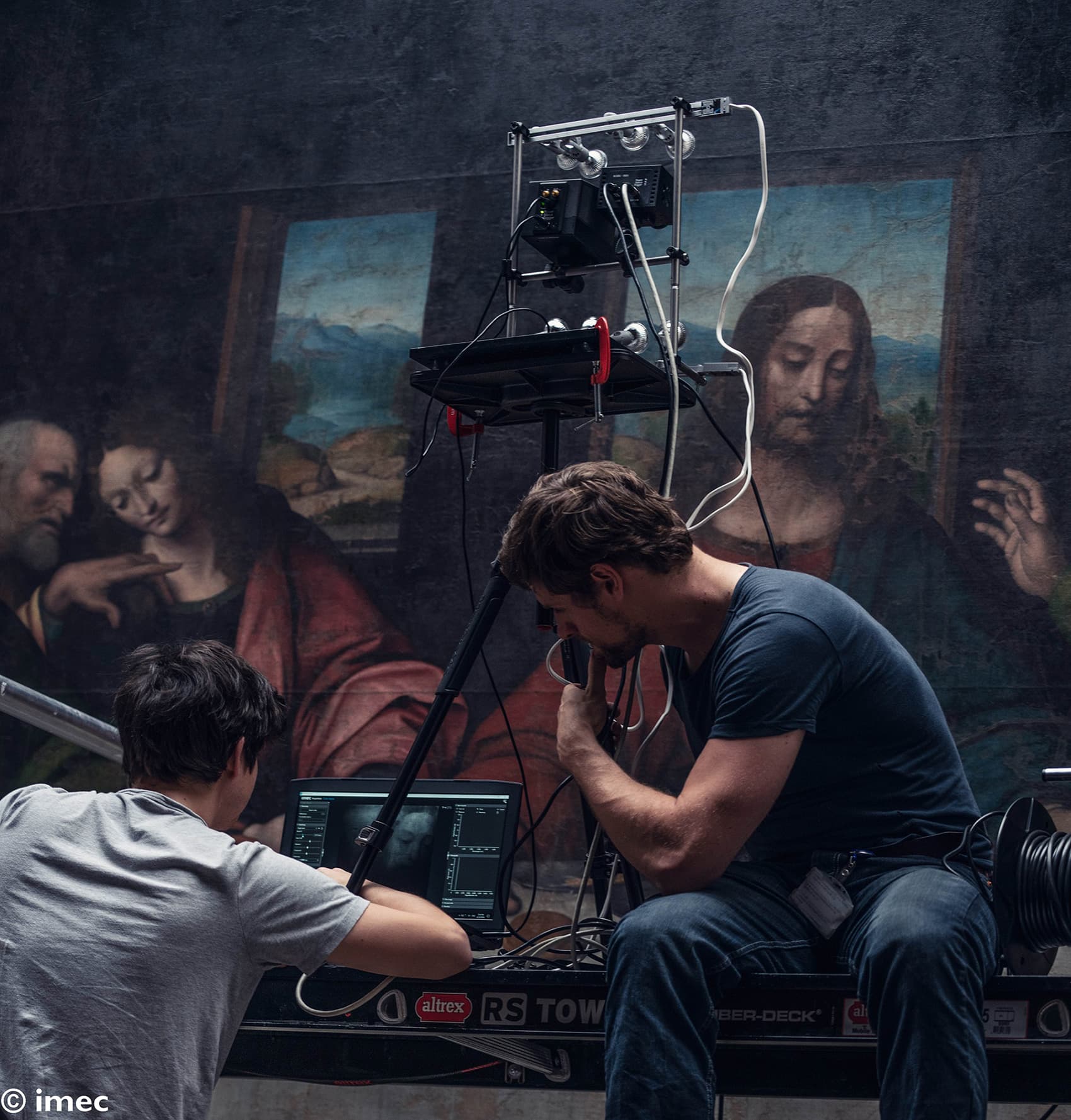
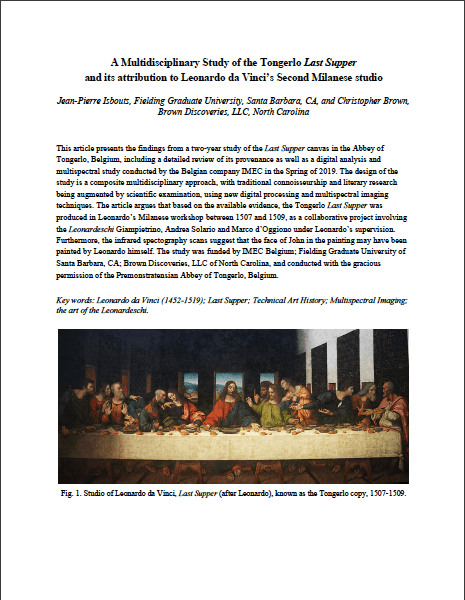
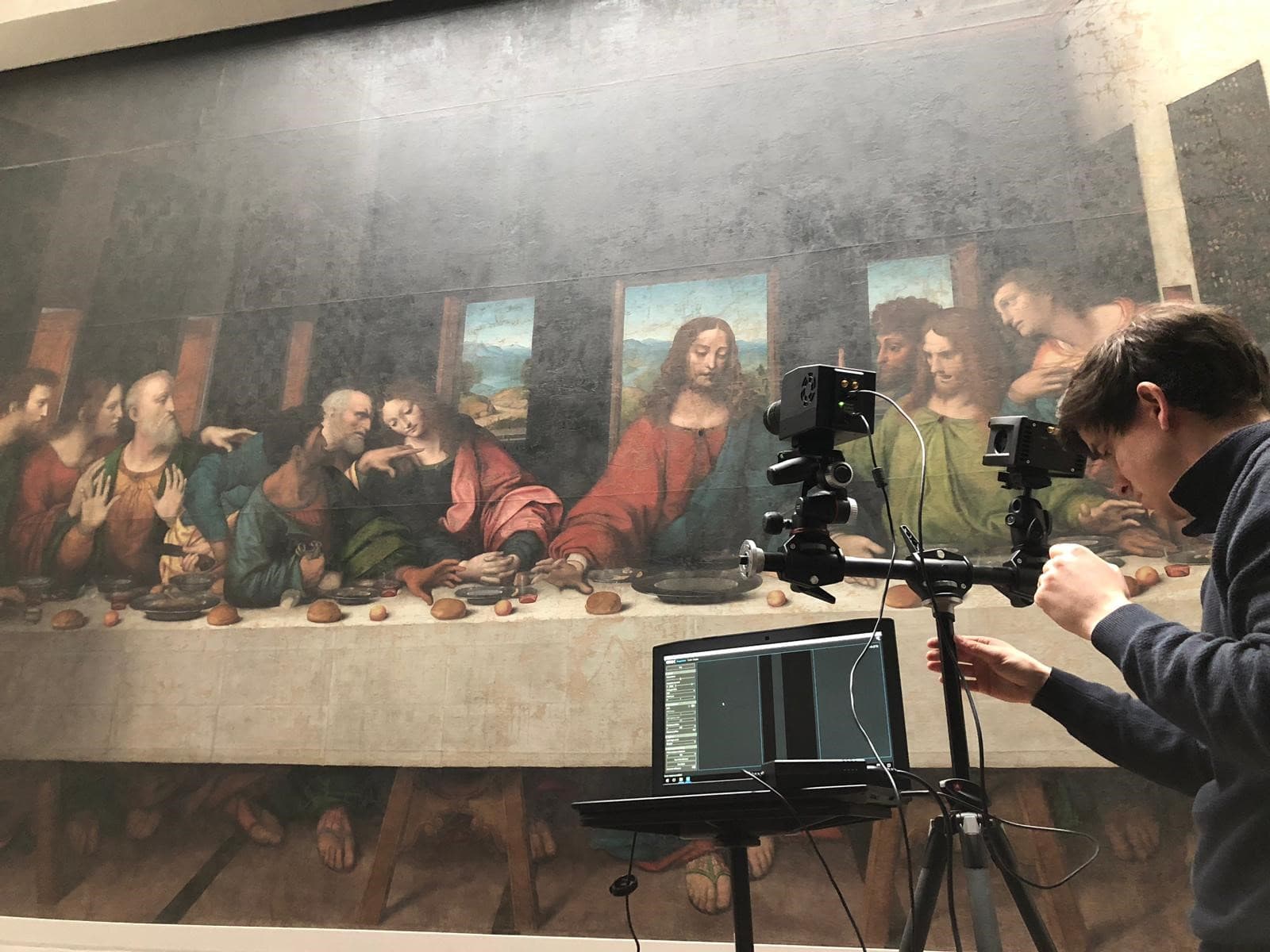
Until now, it is generally accepted that the canvas in the Abbey of Tongerlo is a very successful copy of the world-famous fresco by Leonardo Da Vinci from the Santa Maria della Grazie in Milan. Prof. Isbouts and his team believe that Da Vinci himself was closely involved in the realization of the canvas, and perhaps even co-painted the work. They found indications for this after an extensive study of European historical archives from that time. Among other things, it appears that the French king Louis XII, after seeing the fresco in Milan, ordered it to be transferred to France - which of course was not possible. And that Da Vinci was experimenting with painting on canvas in the same period, something no artist had ever seen before, and the big advantage was that large paintings could easily be rolled up and transported. Da Vinci copied his own works on canvas, with the help of his students. There is also evidence in the archives that a large canvas of the Last Supper was indeed shipped to the French court. And that a canvas of the Last Supper was later sold to the abbot of a monastery in Belgium.
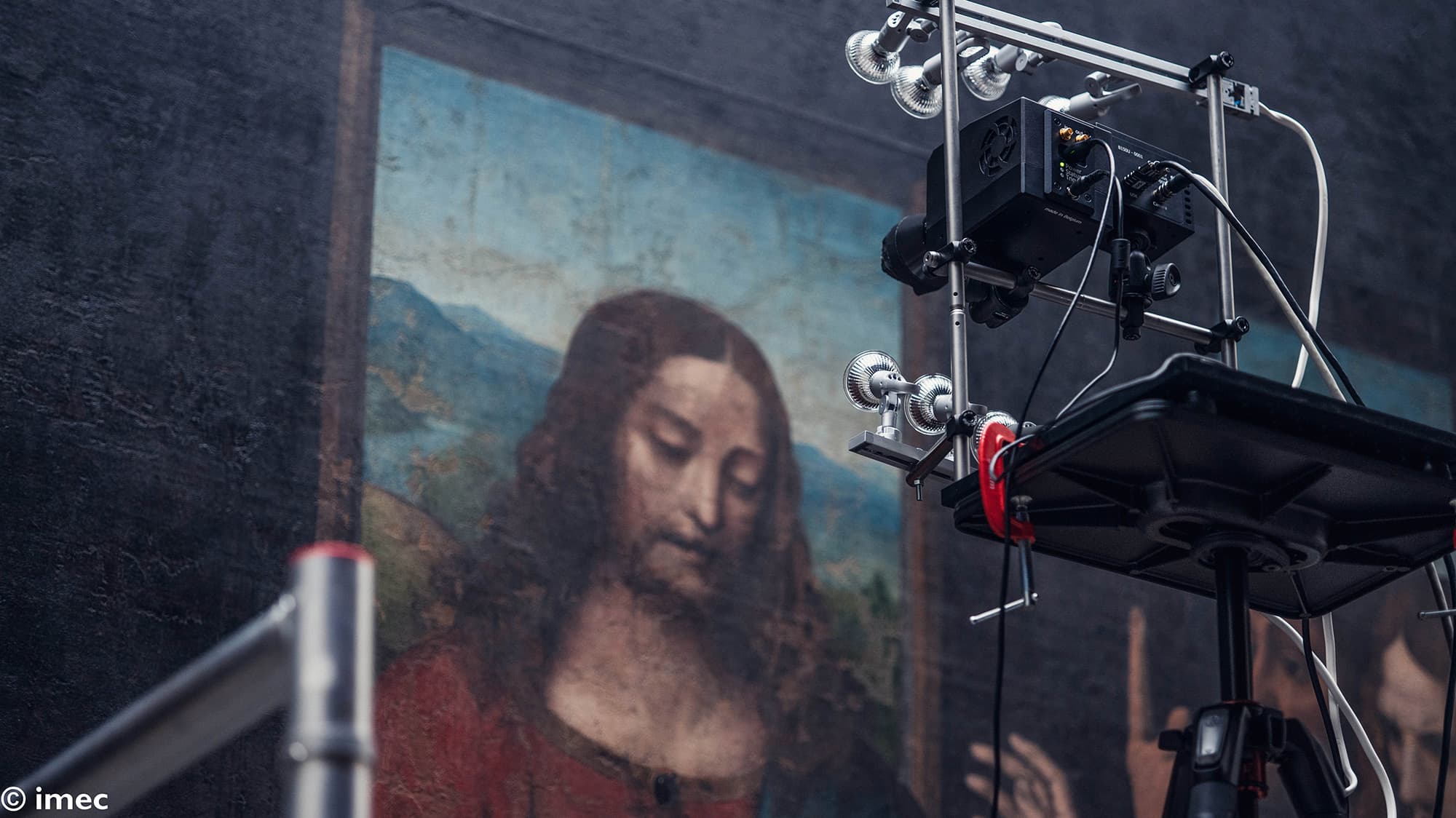
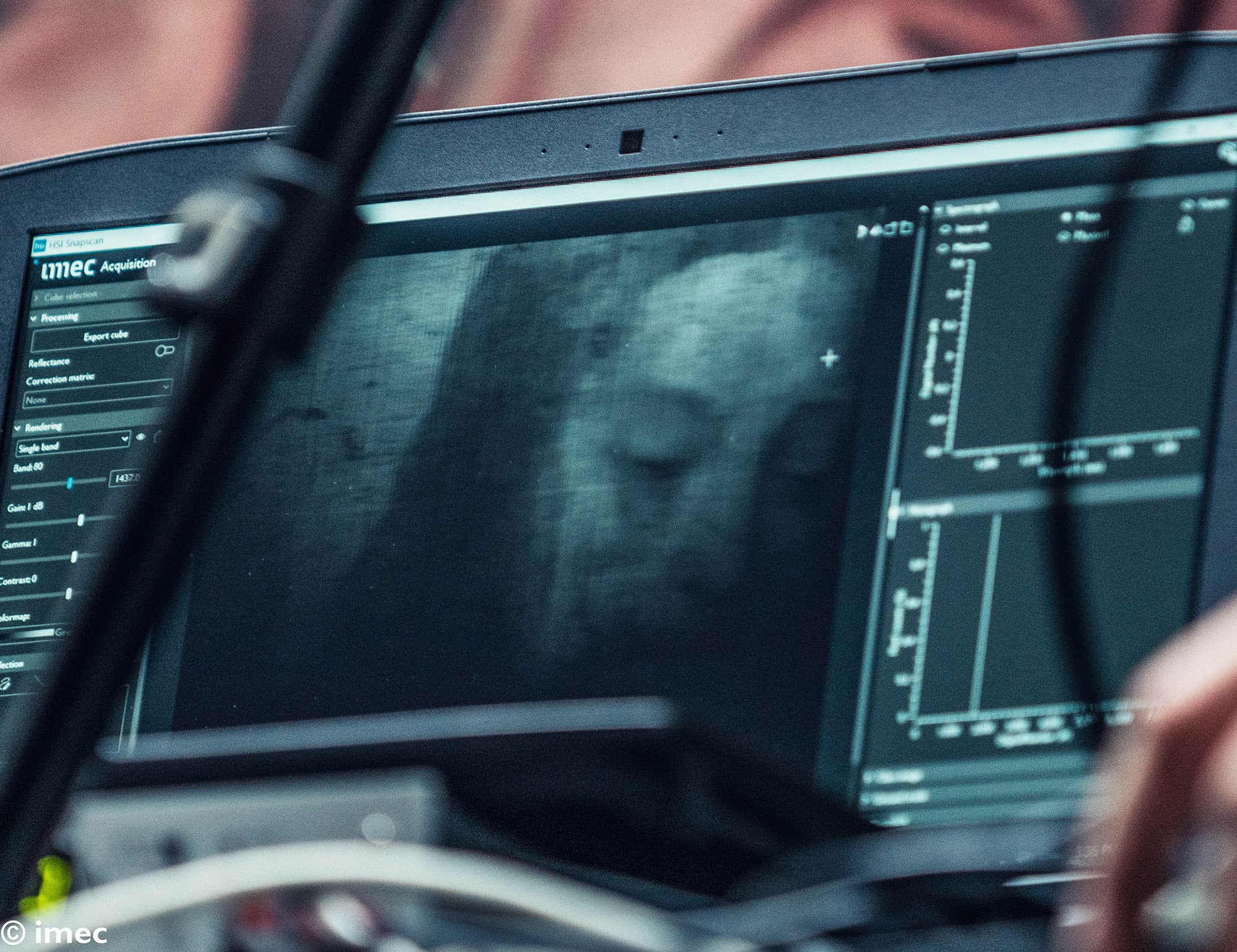
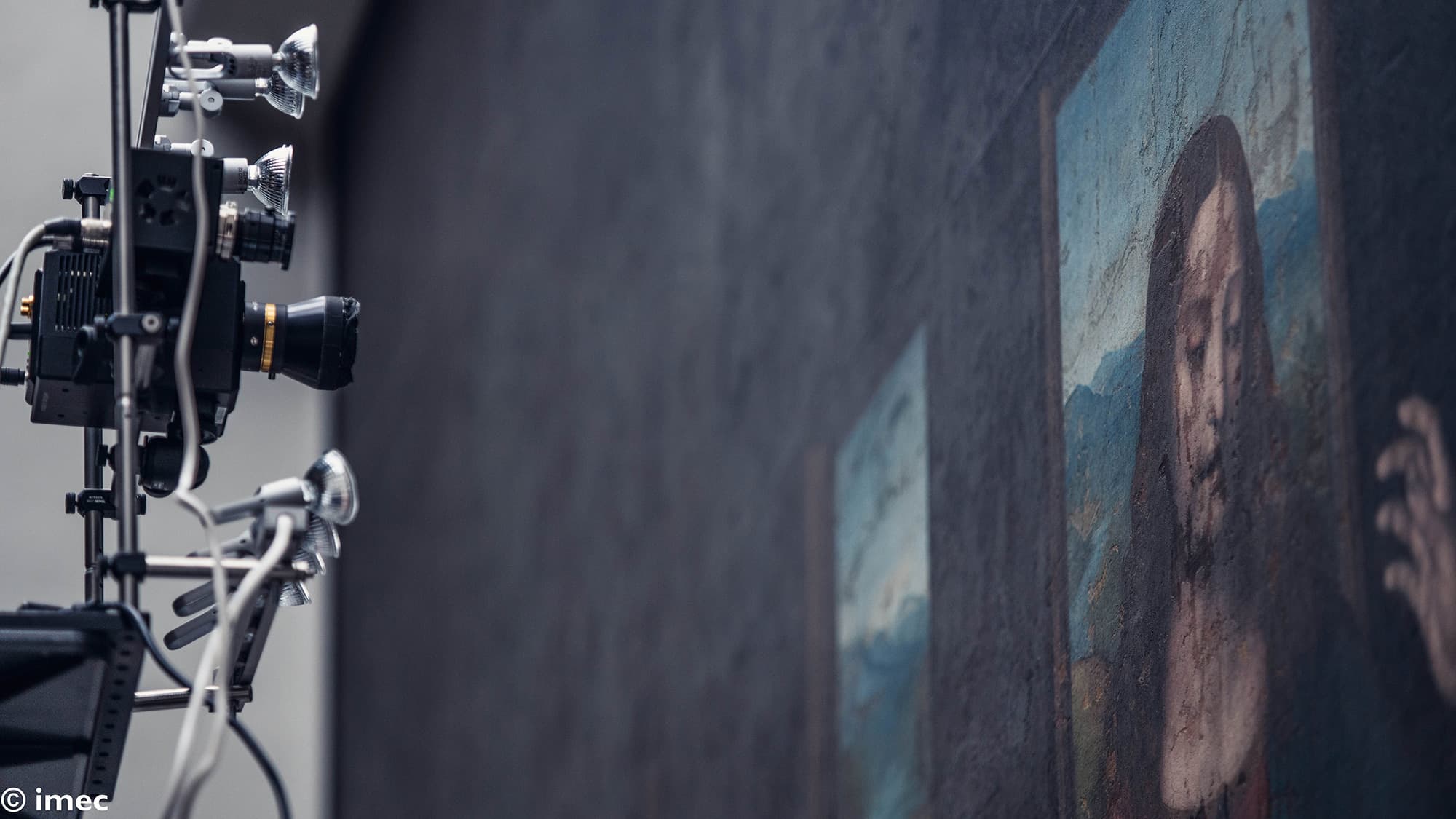
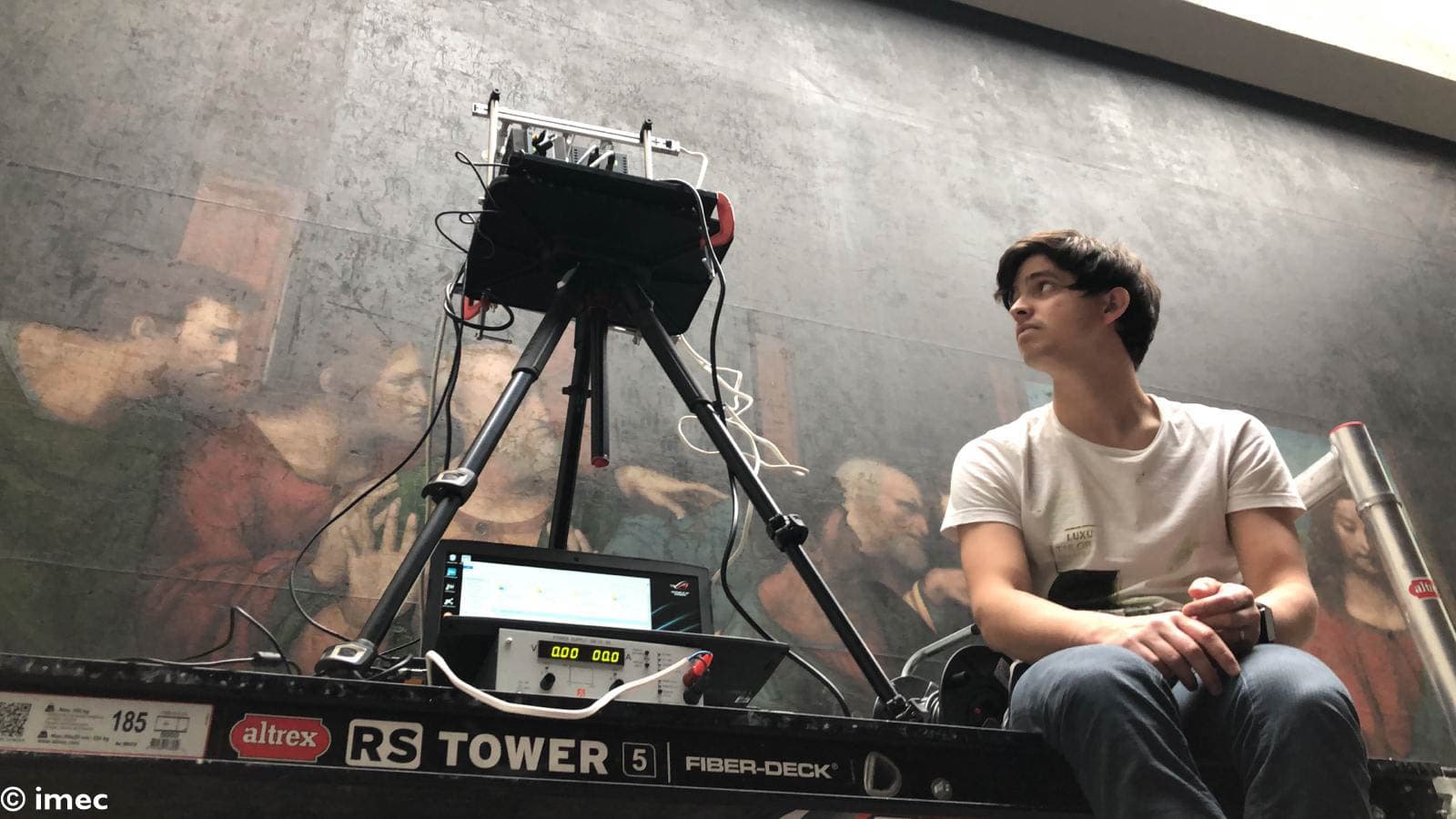
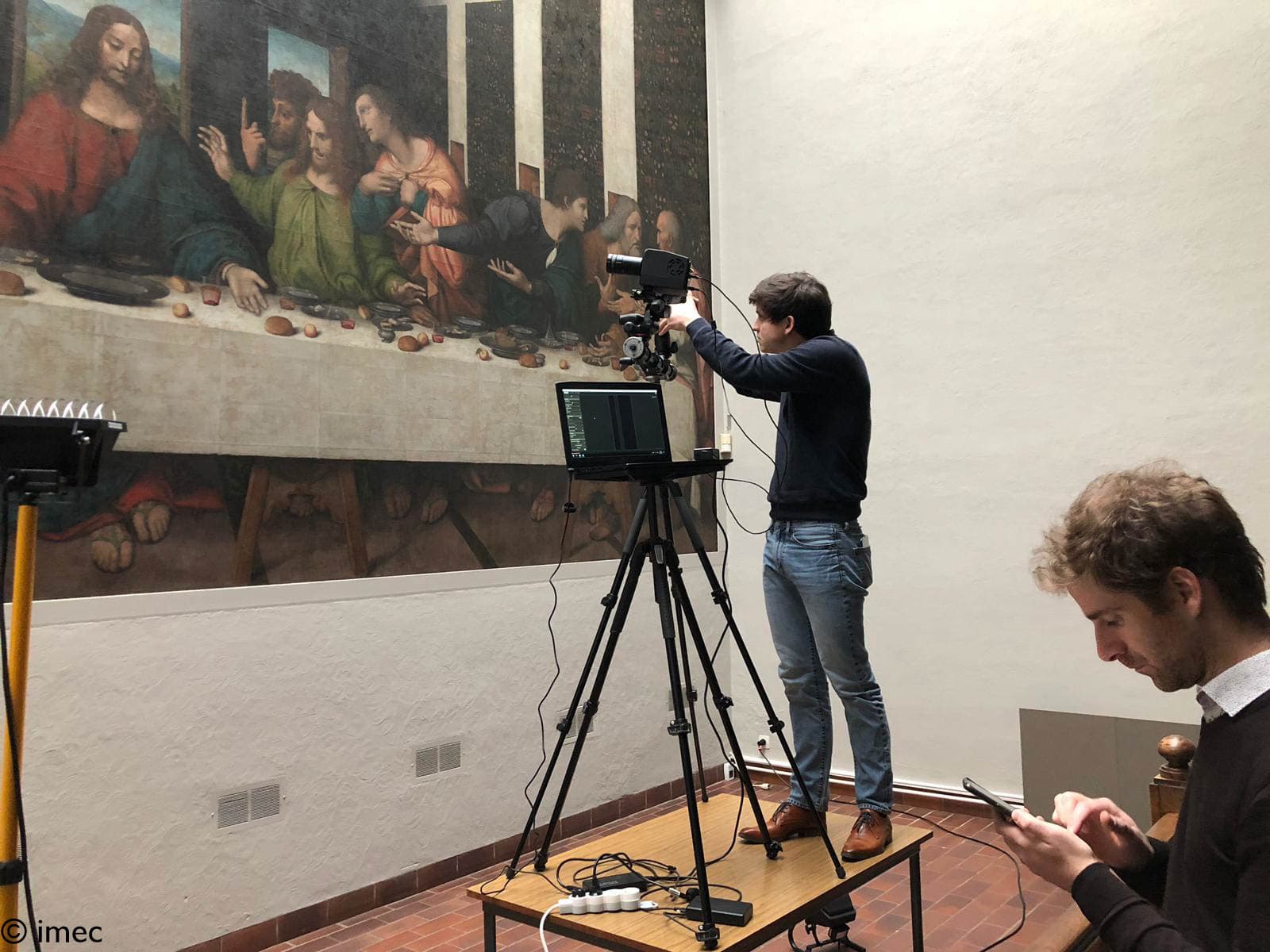
With imec's hyperspectral scans, the team of Prof Isbouts has very detailed information about the composition of the painting. And this without making physical contact with the canvas, and therefore without damaging it. Based on the hyperspectral images in the visible and infrared spectrum, differences can be traced between original and later applied layers of paint, for example from earlier restorations. In addition, pigmentation can be compared to paints of the same age. Prof. Isbouts' team also wants to look for signatures - pentimenti - that can be hidden underneath the painted figures. These signatures contain information about how the painting was realized. Also, the structure of the brush smears or other artifacts or damage can be investigated
Imec’s hyperspectral imaging technology is extremely versatile. Through chip integration, we have been able to make a cheaper, smaller and much more flexible camera. Our hyperspectral cameras can therefore be used for very different applications, ranging from industrial inspection systems, food sorting, precision agriculture, medicine, ... In all these domains, we work with potential users to develop a solution that answers their specific questions.
Download
Discover more


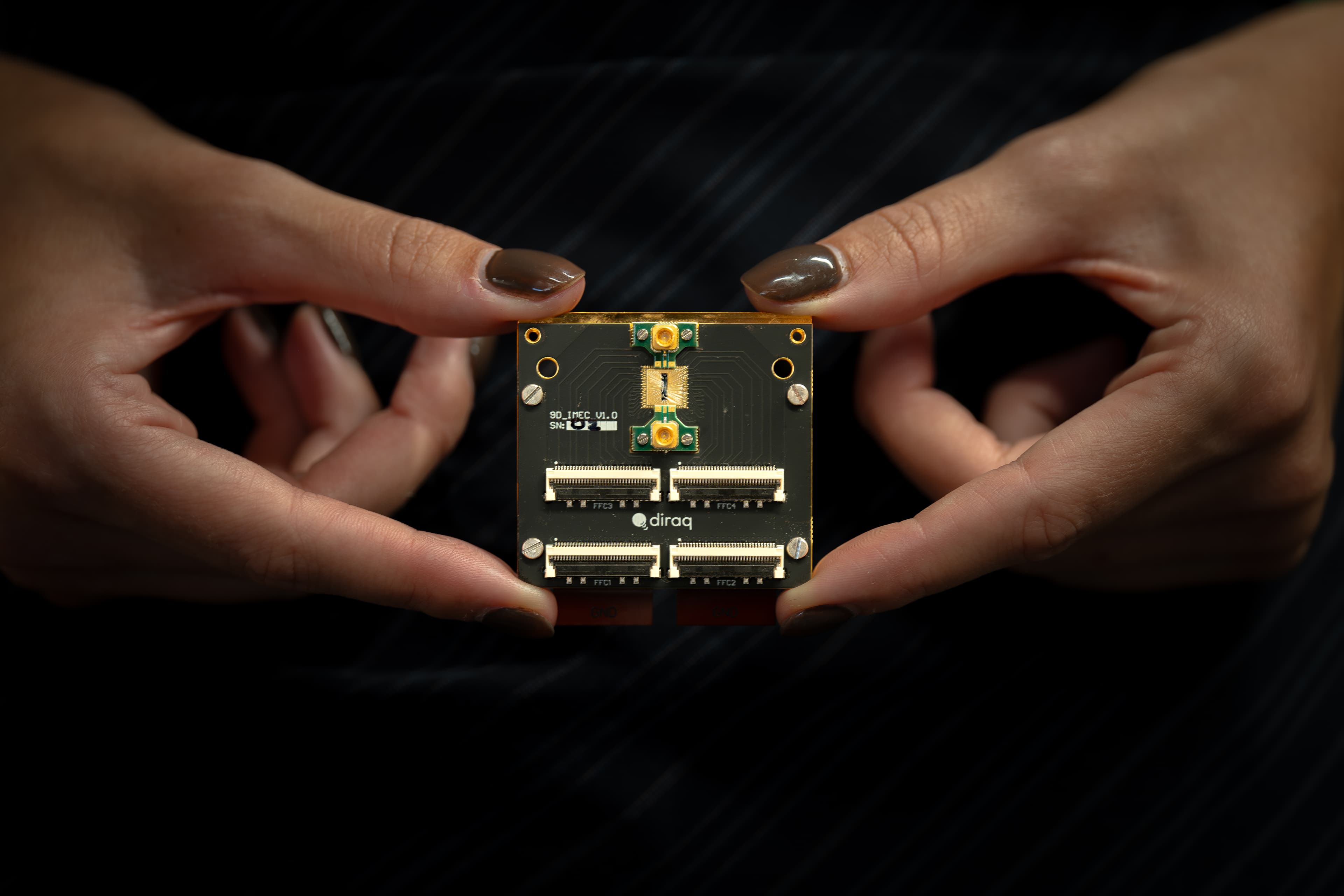
Imec and Diraq demonstrate first coherent operation of eight silicon MOS spin qubits fabricated in a 300mm CMOS-compatible foundry process
Read more

Neural telemetry breakthrough: new chip delivers ten-fold compression while preserving signal integrity
Read more